Definition & Meaning
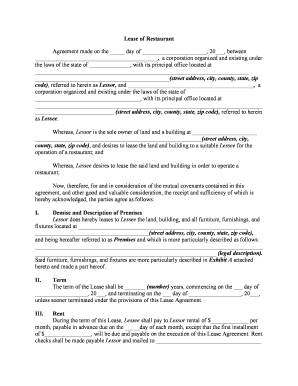
The "THAN NON-PAYMENT OF RENT" form, typically referred to in legal contexts, is a formal document utilized by landlords seeking to initiate eviction proceedings against tenants for reasons other than the failure to pay rent. This form helps specify alternative grounds for eviction, such as violations of lease terms, property damage, or engaging in illegal activities on the premises. It is crucial for landlords to accurately outline these reasons to ensure legal compliance and demonstrate a clear justification for the eviction process. By using this form, landlords set the legal groundwork required to reclaim possession of their property while potentially seeking damages.
How to Use the THAN NON-PAYMENT OF RENT
-
Identifying Grounds for Eviction: Begin by clearly identifying the specific lease violations or issues warranting the eviction, such as unauthorized subletting or nuisance complaints.
-
Filling Out the Form: Complete the form with accurate details, including tenant information, property address, and a detailed explanation of the grounds for eviction.
-
Serving the Notice: Serve the completed form to the tenant according to state laws. This often involves delivering the document directly or using certified mail to ensure receipt.
-
Documentation: Keep records of all communications, notices, and interactions with the tenant related to the eviction process for legal purposes.
-
Legal Proceedings: If the tenant disputes the eviction, be prepared for court proceedings by having all documentation and evidence readily available to defend your case.
Legal Use of the THAN NON-PAYMENT OF RENT
Landlords must adhere to legal procedures when utilizing the "THAN NON-PAYMENT OF RENT" form. It is essential to ensure compliance with local and state eviction laws to validate the eviction process. Legal grounds for eviction beyond non-payment may include:
- Lease Violations: Breaking terms such as having pets without permission.
- Property Damage: Significant damage caused by the tenant.
- Illegal Activities: Engaging in unlawful activities within the property.
Failure to comply with legal requirements can result in the eviction being dismissed in court, leading to prolonged tenant stay and potential legal repercussions for the landlord.
Key Elements of the THAN NON-PAYMENT OF RENT
- Tenant and Property Information: Full names, lease dates, and property address.
- Detailed Reasons for Eviction: Specific incidents and evidence supporting the claim.
- Notice Requirements: Timeframe for tenant to respond or rectify the situation.
- Signature: Landlord's signature as a formal assertion of the document's intent.
Including these elements ensures clarity and strengthens the legal standing of the eviction claim.
State-Specific Rules for the THAN NON-PAYMENT OF RENT
Eviction laws vary by state, affecting how the "THAN NON-PAYMENT OF RENT" form is used. For example:
- Notice Periods: Some states require a longer notice period before legal proceedings can begin.
- Documentation Requirements: States may have specific guidelines for the evidence needed to support eviction claims.
- Tenant Protections: Varying protections that may be in place to prevent unjust evictions.
Landlords should consult with legal experts or refer to state-specific guidelines to ensure compliance and validity of the eviction process.
Steps to Complete the THAN NON-PAYMENT OF RENT
-
Gather Necessary Information: Collect tenant details, lease agreements, and documentation of lease violations.
-
Complete the Form: Accurately fill out the form with all pertinent information and eviction reasons.
-
Review and Verify: Double-check all entries for accuracy to avoid procedural errors.
-
Serve the Form: Deliver the form to the tenant following legal procedures, ensuring proper notice is given.
-
Follow Up: Monitor responses and be prepared to take legal action if the tenant contests the eviction.
Who Typically Uses the THAN NON-PAYMENT OF RENT
This form is primarily used by landlords and property management companies overseeing rental properties. It's a tool for addressing and documenting issues with tenants beyond non-payment of rent, helping maintain property integrity and compliance with lease agreements.


Examples of Using the THAN NON-PAYMENT OF RENT
Real-world scenarios where this form might be used include:
- Lease Violations: A tenant continually violates noise restrictions, disturbing other residents.
- Unauthorized Alterations: Tenant makes significant unauthorized modifications to the property.
- Illegal Activities: Tenant utilizes the property for activities contrary to lease terms or law.
Each example underscores the form's role in justifying evictions for reasons other than rent issues, highlighting its importance in property management.