



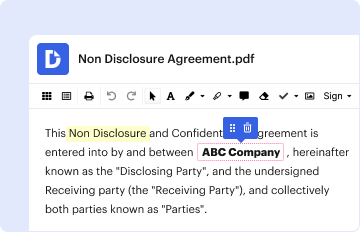
01. Edit your form online
Type text, add images, blackout confidential details, add comments, highlights and more.

Type text, add images, blackout confidential details, add comments, highlights and more.
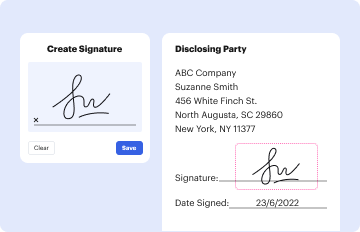
Draw your signature, type it, upload its image, or use your mobile device as a signature pad.
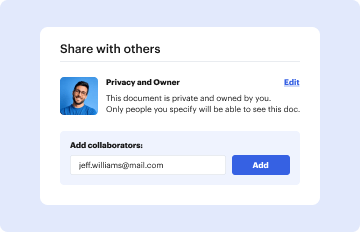
Send it via email, link, or fax. You can also download it, export it or print it out.
The "University of Colorado Hospital Medical Record" form is an official authorization document used to facilitate the release and receipt of a patient's medical information. It serves to ensure that healthcare data can be shared between entities in compliance with privacy laws, such as the Health Insurance Portability and Accountability Act (HIPAA). This form includes sections that detail patient information, the identity of the parties involved in the data exchange, and an acknowledgment of consent by the patient or their authorized representative. The main purpose of this form is to provide a controlled and documented method for patients to manage their medical records while protecting their privacy.
To obtain your medical records from the University of Colorado Hospital, you must complete the authorization form. This involves filling out the sections with accurate patient details, specifying the information needed, and identifying the recipient of the records. Submit the completed form to the hospital's Health Information Management department, either in-person, by mail, or through a secure online portal if available. If any fees are associated with processing the request, payment must be included to avoid delays.
Patient Information: Provide your full name, date of birth, and contact information. Double-check for accuracy to prevent processing errors.
Releasing and Receiving Entities: Specify who is authorized to release the information and who will receive it. Include full names and addresses or institution names to ensure clarity.
Types of Information: Indicate the specific medical records to be released. Options may include lab results, treatment plans, or hospital bills. Be precise to avoid over or under-releasing information.
Purpose for Release: State the purpose for which the records are needed, such as ongoing treatment, legal reasons, or personal use. This helps hospital staff understand the context and urgency of the request.
Consent Acknowledgment: Sign the form to confirm your authorization for record release. If you are an authorized representative, provide your relationship to the patient and requisite identification.
Review and Submit: Review the form for completeness and accuracy. Submit it via your preferred method, and keep a copy for your records.
The form is generally used by patients receiving care from the University of Colorado Hospital who need to share their medical data with other healthcare providers, insurers, legal entities, or personal use. Authorized representatives, such as legal guardians or power of attorney holders, may also use the form to manage medical record access on behalf of patients.

This form complies with federal privacy laws, primarily HIPAA, by formalizing the process of medical record release. It ensures that patient data is handled ethically and legally, only being shared with authorized entities for specified purposes. Revocation rights allow patients to withdraw their consent at any time.
While the University of Colorado Hospital follows HIPAA regulations, additional state-specific laws may apply. Colorado state laws can influence how long medical records must be retained and additional privacy protections. It is crucial to understand these state-specific nuances to fully protect patient rights during the information release process.
We've got more versions of the University of Colorado Hospital Medical Record form. Select the right University of Colorado Hospital Medical Record version from the list and start editing it straight away!
At DocHub, your data security is our priority. We follow HIPAA, SOC2, GDPR, and other standards, so you can work on your documents with confidence.
Please submit the Medical Records Request form electronically to occupational.health@cuanschutz.edu. Requests may take up to 10 business days to process after
by P Szolovits 1994 Cited by 139 There is still only a handful of comprehensive hospital information systemsones that are concerned more with clinical records than administrative and financial
A real-time messaging gateway which supports bi-directional communication between CIIS and your electronic health record system (EHR).


