







Definition & Meaning
A "business address" is the official location where a business is headquartered or operates. It serves as a point of contact for legal, financial, and administrative matters. This address can be a physical location, such as an office or a shop, or it might be a virtual address used primarily for mail and official communication. For businesses operating out of multiple locations, there might be a need to distinguish between the principal place of business and branches or subsidiaries.
Business addresses are also integral for establishing credibility and trust with customers, suppliers, and regulators. They are used in marketing materials, legal documents, and as part of the business's public profile.
How to Use the BUSINESS ADDRESS
The business address is utilized in various capacities, each with its importance:
- Legal and Tax Documents: It's essential to include the business address in all legal filings, such as tax returns and business licenses.
- Customer and Supplier Communication: This address is often used as a return address on correspondence and invoices, providing a reliable contact point.
- Marketing and Advertising Materials: Including a business address can enhance your company's credibility and provide a physical presence to potential customers.
When using a business address, it’s crucial to differentiate it from a mailing address, which might not be the same, particularly for businesses that use PO boxes.
Key Elements of the BUSINESS ADDRESS
The key components of a business address include:
- Street Address: The specific location, including the building number and street name.
- Suite or Unit Number: If applicable, this detail is vital for businesses located in multi-tenant buildings.
- City, State, and ZIP Code: These indicate the geographic location, necessary for correct mail delivery and jurisdictional reasons.
- Country: Particularly important for international business operations.
Ensuring accuracy in these elements is crucial as errors could lead to miscommunication or legal issues.
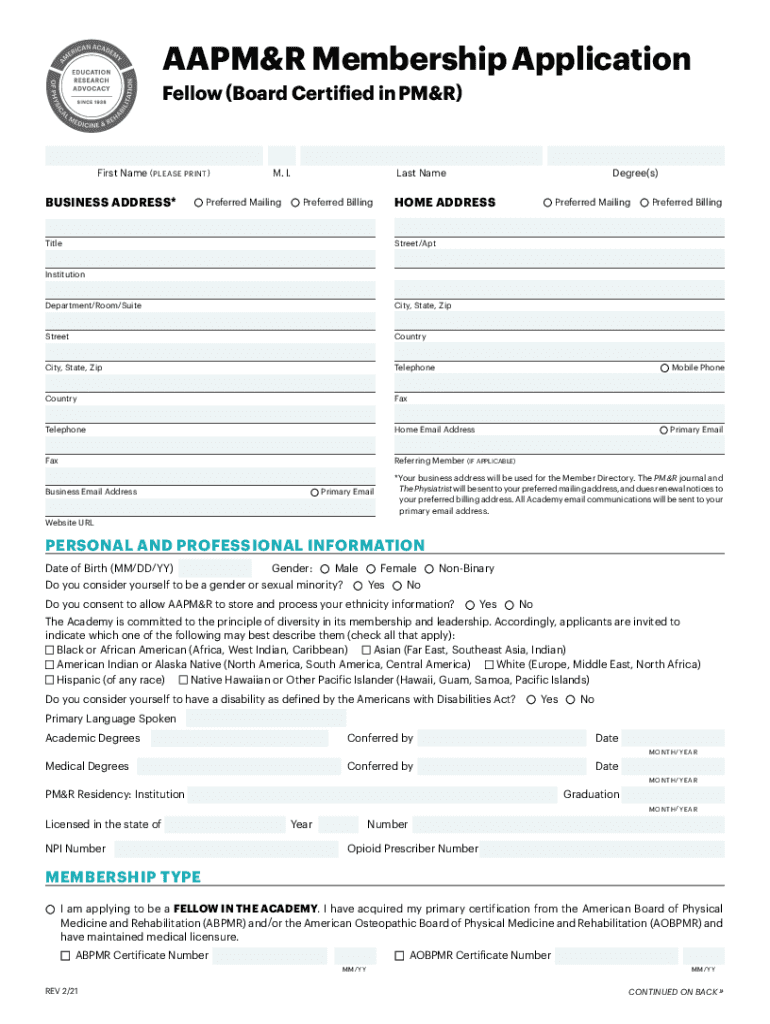
Steps to Complete the BUSINESS ADDRESS*
To accurately complete and apply the business address in documentation:
- Verify Business Location: Confirm the physical location if applicable, ensuring it is zoned for business activities.
- Identify Suite or Unit Number: If your business is in a commercial building, note this information accurately.
- Gather Correct Geographic Details: Include city, state, ZIP code, and country details.
- Document Address in Official Records: Update legal documents, bank accounts, and communication materials.
- Communicate Changes: Inform clients, partners, and regulatory bodies of any address changes promptly.
These steps ensure clarity and reliability in all official uses of the business address.
Legal Use of the BUSINESS ADDRESS
Using a business address legally requires compliance with several regulations:
- Zoning Laws: Ensure that the location is zoned for business use.
- Registered Agent Requirements: Many jurisdictions require a business address for a registered agent within the state of operation.
- Licenses and Permits: Certain permits may require a physical business address rather than a PO box.
Adhering to legal standards helps prevent disputes or penalties due to non-compliance.
State-Specific Rules for the BUSINESS ADDRESS
Different states may have unique requirements concerning business addresses:
- Physical Presence: Some states mandate an in-state physical presence, particularly for corporations and LLCs.
- Zoning and Land Use: Varying rules on how different types of businesses can operate in residential areas.
- Notification Requirements: Protocols for how and when address changes must be reported to state authorities.
Understanding these state-specific rules is essential for businesses operating across state lines in the U.S.
Business Types That Benefit Most from BUSINESS ADDRESS*
Different business structures perceive benefits from a thorough and strategic use of their business address:
- Home-Based Businesses: Obtaining a virtual address can enhance professionalism.
- Startups: Establishing a presence in high-profile areas might attract more attention.
- E-commerce: Using a physical address for returns can simplify logistics and improve customer service.
Aligning the business address with strategic goals can yield reputational and operational advantages.
Digital vs. Paper Version
In today’s digital age, business addresses can be applied both digitally and on paper:
- Digital Application: Used on websites, social media profiles, and in digital marketing. It's often hyperlinked for direct map viewing.
- Paper Application: Used in formal correspondence, printed advertising, and official documentation where a physical presence is crucial.
Choosing the appropriate format depends on the target audience and the method of communication.




