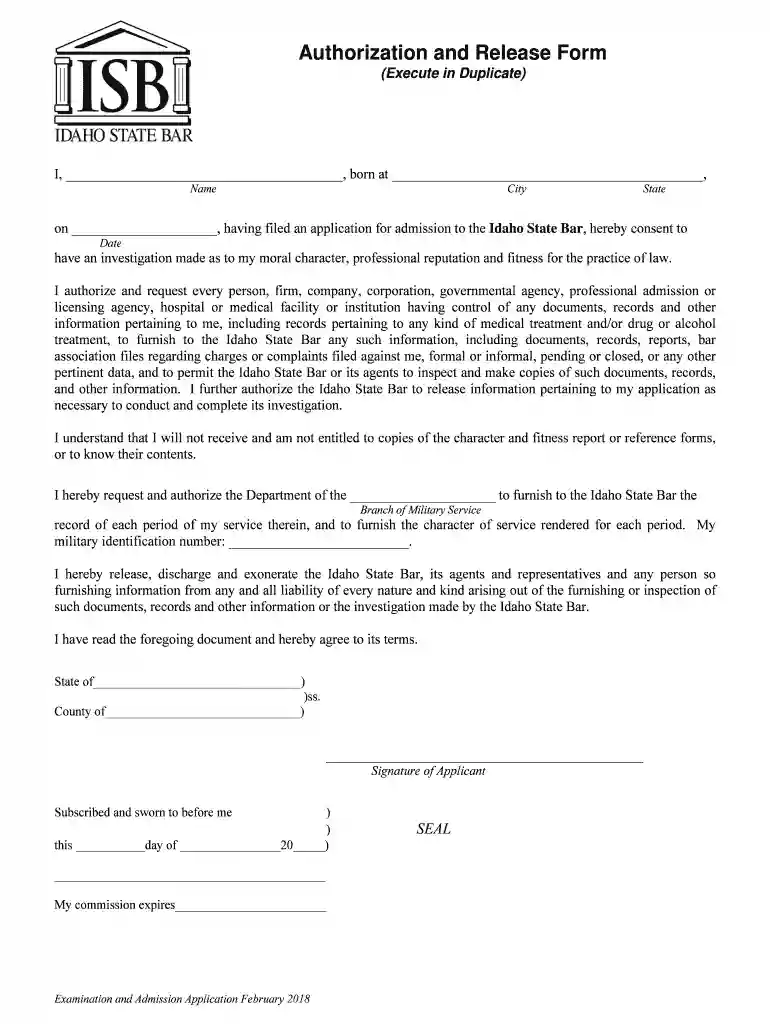
Basic Estate Planning QandA indd - Idaho State Bar 2026

Get Form
Basic Estate Planning QandA indd - Idaho State Bar Preview on Page 1

Here's how it works

01. Edit your form online
Type text, add images, blackout confidential details, add comments, highlights and more.

02. Sign it in a few clicks
Draw your signature, type it, upload its image, or use your mobile device as a signature pad.

03. Share your form with others
Send it via email, link, or fax. You can also download it, export it or print it out.

Definition & Meaning

The "Basic Estate Planning QandA indd - Idaho State Bar" is a document created to provide foundational insights on estate planning specifically for individuals, families, or entities associated with the Idaho State Bar. Estate planning involves making arrangements for the management and distribution of an individual's estate after their death, including the handling of wills, trusts, power of attorney, and potentially living wills. This document serves as a key resource for understanding essential questions and answers regarding the planning process, highlighting Idaho-specific legal frameworks and requirements.

How to Use the Basic Estate Planning QandA

Understanding and utilizing the "Basic Estate Planning QandA indd - Idaho State Bar" involves:

  1. Identifying Relevant Sections: Start by identifying the sections of the Q&A that relate to your specific estate planning needs, such as wills, trust formation, or tax considerations.
  2. Utilizing Guidance for Legal Decisions: Use the document to guide legal decisions, ensuring that your estate planning aligns with Idaho state laws.
  3. Preparing for Consultations: Bring insights gained from the document to consultations with legal professionals, enhancing communication and ensuring all questions are well-informed by local considerations.

Practical Application

  • Access directly through Idaho State Bar portals or authorized distribution channels to ensure authenticity and current legal standards.

How to Obtain the Basic Estate Planning QandA

Obtaining the "Basic Estate Planning QandA indd - Idaho State Bar" typically involves:

  • Official Channels: Visit the Idaho State Bar's official website or contact their office to request a copy.
  • Legal Presentations or Workshops: Copies may be distributed during estate planning seminars or workshops hosted by the Idaho State Bar.
  • Library Access: Local law libraries could hold copies that are accessible for in-library use or checking out.

Steps to Complete the Basic Estate Planning QandA

Completing tasks suggested within the "Basic Estate Planning QandA" involves:

  1. Review All Instructions: Thoroughly read the guidance provided on estate planning principles and requirements.
  2. Document Gathering: Assemble necessary documents such as existing wills, titles, trust documents, and any prior legal directives.
  3. Legal Advisor Consultation: Seek advice or services from an estate planning attorney to ensure compliance with Idaho laws.
  4. Finalizing Estate Plans: Use the Q&A responses as a checklist to review and finalize estate plans, ensuring alignment with personal wishes and legal regulations.

Key Elements of the Basic Estate Planning QandA

The document includes key elements vital to estate planning:

  • Wills and Trusts: Explanation of how to structure wills and trusts, along with recommendations specific to Idaho law.
  • Power of Attorney: Details on establishing power of attorney to designate decision-making authority.
  • Probate Process: Description of Idaho’s probate process, including steps to minimize complexity.
  • Tax Implications: Discusses potential tax implications related to estate transfers and distribution under state guidelines.

Detailed Breakdown

Wills and Trusts

  • Types of trusts specific to Idaho
  • Legal requirements for validating a will in Idaho

State-Specific Rules for the Basic Estate Planning QandA

State-specific rules highlighted in the document involve:

  • Inheritance Laws: Unique aspects of Idaho’s inheritance laws that may differ from other states.
  • Community Property Rules: Specific provisions related to Idaho's community property laws affecting estate division.
  • Guardianship Designations: Legal requirements for guardianship and fiduciary responsibilities outlined by Idaho statutes.

Legal Use of the Basic Estate Planning QandA

Legal use includes:

  • Reference in Court Procedures: Utilization in court to demonstrate adherence to Idaho legal guidelines.
  • Supporting Documentation: As a supporting document in legal proceedings involving estate disputes or clarifications.
  • Professional Advice Tool: As a resource for legal professionals advising clients on Idaho estate planning practices.

Important Terms Related to Basic Estate Planning QandA

Key terms explained:

  • Executor: Person named in a will to administer the estate.
  • Beneficiary: Individual designated to receive assets under a will or trust.
  • Fiduciary Duty: Legal obligation of one party to act in the best interest of another.
  • Probate Court: Specialized court that deals with matters of probate and estate administration.

See more Basic Estate Planning QandA indd - Idaho State Bar versions

We've got more versions of the Basic Estate Planning QandA indd - Idaho State Bar form. Select the right Basic Estate Planning QandA indd - Idaho State Bar version from the list and start editing it straight away!
Versions Form popularity Fillable & printable
2019 4.8 Satisfied (60 Votes)
2019 4.3 Satisfied (70 Votes)
2018 4.4 Satisfied (92 Votes)
be ready to get more

Complete this form in 5 minutes or less

Get form

Got questions?

We have answers to the most popular questions from our customers. If you can't find an answer to your question, please contact us.
Contact us
15-3-108) a regular probate must be completed within 3 years of a persons death.
Notary: You do not need a notary for your will. But if you want your will to be self-proving, you need a notary publics services. Self-Proving Affidavit: Idaho allows you to self-prove your will with an affidavit. A self-proving affidavit is a statement you and your witnesses sign attesting that you signed the will.
Timeline for Settling Estates in California Settling an estate through probate court is a very complicated process. The courts take steps to move the process along, and the executor of an estate generally has 12 months to complete the probate process and pay heirs or beneficiaries from the estate.
Only some estates go through probate in Idaho. The value of the estate, for example, determines whether probate is necessary. Currently, Idaho requires probate for estates valued over $100,000. Many moderate and larger estates will thus require some form of probate administration.
In cases where the estate includes assets that are not easily accessible, such as property or investments, executors/administrators may face challenges in meeting the six-month deadline.

Security and compliance

At DocHub, your data security is our priority. We follow HIPAA, SOC2, GDPR, and other standards, so you can work on your documents with confidence.

Learn more
ccpa2
pci-dss
gdpr-compliance
hipaa
soc-compliance

People also ask

Many assets such as retirement accounts, life insurance policies, and bank accounts, allow you to name beneficiaries. By doing so, these assets can pass directly to your chosen beneficiaries upon your death, avoiding the probate process.

Related links