




01. Edit your form online
Type text, add images, blackout confidential details, add comments, highlights and more.

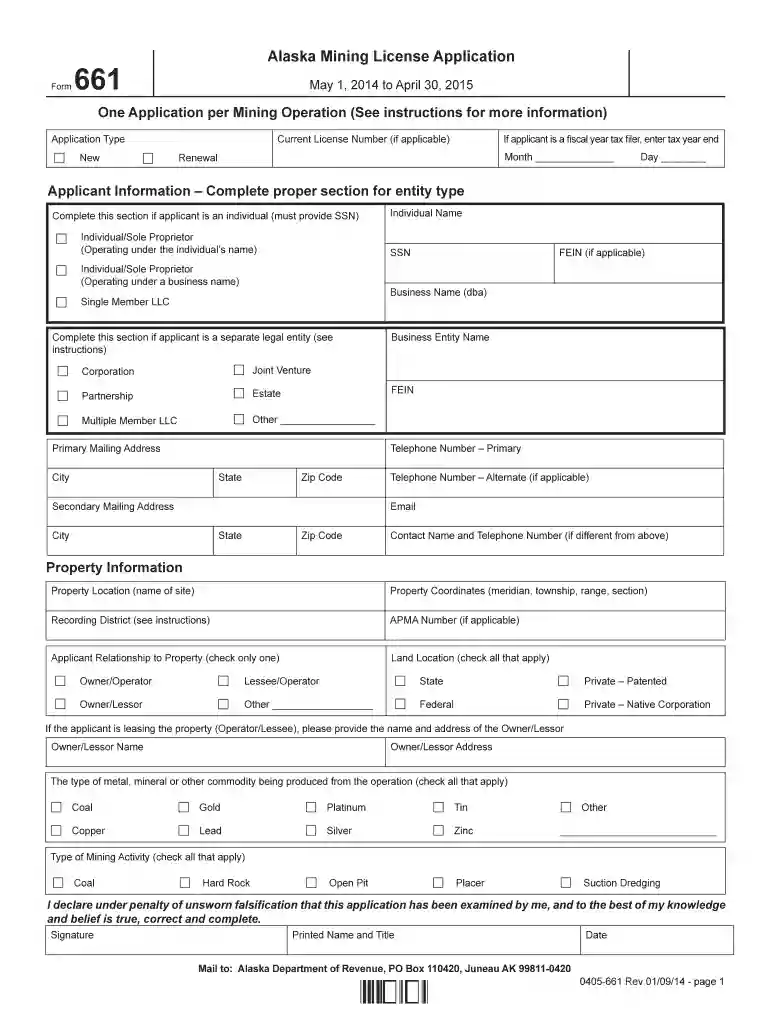
Type text, add images, blackout confidential details, add comments, highlights and more.

Draw your signature, type it, upload its image, or use your mobile device as a signature pad.

Send it via email, link, or fax. You can also download it, export it or print it out.
Understanding the form "- tax alaska" is crucial for individuals and businesses involved in activities subject to state tax regulations in Alaska. This form pertains specifically to taxation requirements within the state, where unique rules may apply due to Alaska's distinct tax laws, such as the absence of a state-level personal income tax. Instead, the focus may be on other forms of taxation relevant to local commercial activities and resource management.
Several elements are essential to comprehend the - tax alaska form. These include the nature of taxes applicable in Alaska, such as corporate taxes, sales taxes on specific goods, and taxes imposed on resource extraction. Understanding these components is vital for accurately reporting and fulfilling tax obligations.
Details such as tax rates, exemptions, and deductions will vary, emphasizing the importance of familiarizing oneself with these specifics to ensure compliance.
To efficiently utilize the - tax alaska form, follow the steps outlined below, each designed to guide you in understanding and completing your tax responsibilities accurately:
Completing the - tax alaska form involves several detailed steps, designed to capture comprehensive data about your tax situation. It is crucial to adhere to these steps closely for precise form submission:
The legal use of the - tax alaska form ensures that individuals and businesses comply with the statutory requirements for taxation in Alaska. The form serves as a formal document for entities to declare their tax obligations, without which they could face legal repercussions.
Familiarity with key terminology related to the - tax alaska form is essential for effective completion and compliance:
Understanding these terms can prevent errors and facilitate smoother processing of the form.
Alaska has unique tax rules that can significantly impact how the - tax alaska form should be approached:
Filing deadlines are crucial when dealing with the - tax alaska form. Ensuring timely submission avoids unnecessary penalties:
We've got more versions of the - tax alaska form. Select the right - tax alaska version from the list and start editing it straight away!
At DocHub, your data security is our priority. We follow HIPAA, SOC2, GDPR, and other standards, so you can work on your documents with confidence.
No information is available for this page.
You must complete this form if youre a semiweekly schedule depositor or became one because your accumulated tax liability during any month was.
Taxes levied by a city within a borough must be collected by a borough and returned in full to the city levying the tax. This provision applies to home rule and


