







Definition and Meaning of the Alaska Tax Form
The term “- tax alaska” refers to tax-related forms and documentation specifically pertaining to the state of Alaska. Although Alaska is unique in that it does not have a state sales or income tax, various specialized tax forms are still relevant to businesses and individuals operating within the state. These forms might address local tax obligations, including property taxes or specific industry-related taxes like the oil and gas production tax credit. Understanding the specific requirements and instructions related to these forms is crucial for compliance with Alaska’s tax laws.
Key Elements of the Alaska Qualified In-State Oil Refinery Infrastructure Expenditures Tax Credit
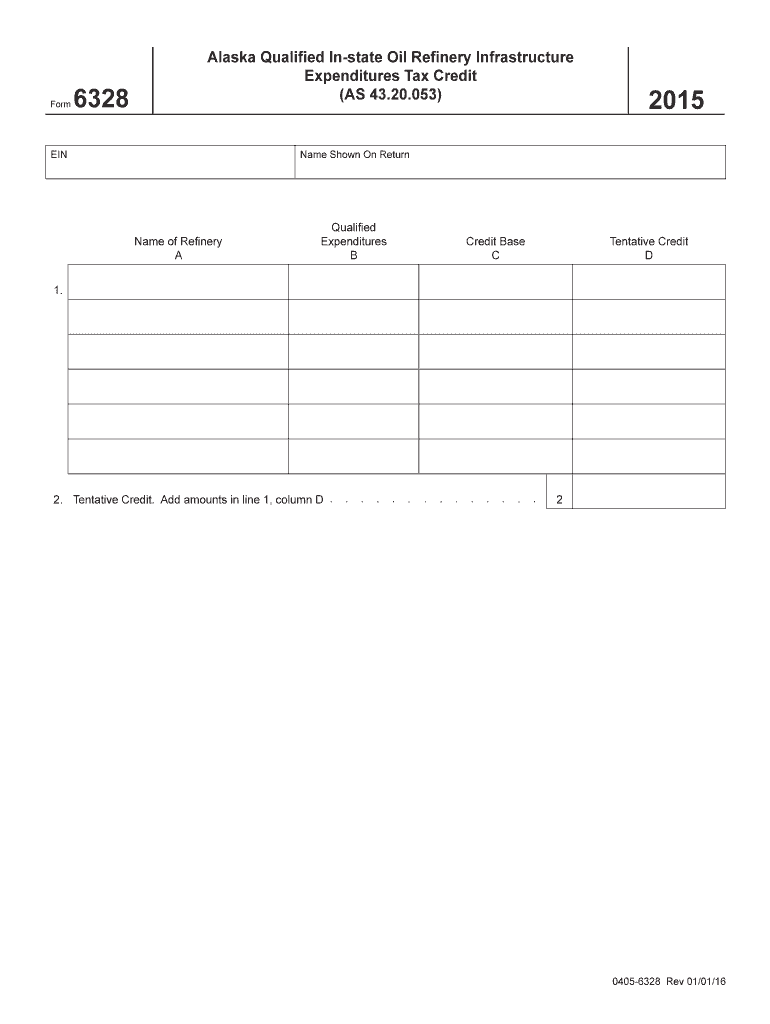
One notable form is the Alaska Qualified In-state Oil Refinery Infrastructure Expenditures Tax Credit. This form allows oil refineries within Alaska to claim a credit for expenditures that qualify under the state's infrastructure improvement criteria. Key elements include:
- Qualified Expenditures: Expenditures that meet the state’s criteria for improving refinery operations fall under this category. This includes investments in infrastructure that enhance refining capabilities.
- Credit Base: The base amount upon which the tax credit is calculated, often a percentage of the eligible expenditure.
- Tentative Credit Calculations: The provision to calculate and recognize tentative credits before final submission and approval.
How to Use the Tax Form for Alaska
The use of tax forms in Alaska primarily revolves around ensuring compliance with state taxation requirements. For businesses, this could mean accurately reporting refinery expenditures or other related financial activities.
- Identify Applicable Credits: Determine which credits, like the oil refinery infrastructure credit, apply to your business activities.
- Compilation of Expenditures: Collect detailed records of all qualifying expenditures made during the fiscal period.
- Calculate Tentative Credits: Use the credit calculation guidelines to determine the tentative credit values.
Steps to Complete the Alaska Tax Form
The process of completing tax forms in Alaska involves several meticulous steps:
- Gather Necessary Documentation: Assemble all relevant financial records and receipts associated with qualified expenditures.
- Fill Out Required Sections: Ensure each required section of the form is accurately filled out according to the state's guidelines.
- Attach Supporting Documentation: Include all necessary documentation that supports the claims made within the form.
- Review and Submit: Double-check all entries for accuracy and ensure compliance with submission guidelines.
State-Specific Rules for the Alaska Tax Credit
Tax credits and forms in Alaska are governed by state-specific regulations, which can differ significantly from federal guidelines. Some key points include:
- Industry Restrictions: Credits like the oil refinery expenditure tax credit are restricted to specific industries and activities.
- Compliance Requirements: Adhering strictly to accounting standards and qualifying expenditure definitions is paramount.
- State Priorities: Credits often reflect state strategic priorities, such as infrastructure development and industry growth initiatives.
Examples of Using the Tax Form in Alaska
Consider real-life scenarios where Alaska tax forms play a crucial role:
- Oil Refinery Expansion: When an oil refinery in Alaska expands its infrastructure, it applies for tax credits to offset part of the investment cost against taxable income.
- Small Business Property Tax: A small business owning property in a borough may use specific local property tax forms to declare its liabilities or seek exemptions.
Who Typically Uses the Alaska Tax Form
The primary users of Alaska-specific tax forms include:
- Oil Refineries: Entities involved in oil refining, which seek infrastructure-related tax credits.
- Property Owners: Individuals or businesses that maintain property within municipalities that have enacted local property taxes.
- Specialized Enterprises: Companies engaged in industries with unique tax obligations or credits.


Required Documents for Completing the Alaska Tax Form
When preparing to submit Alaska tax forms, ensure possession of the following:
- Financial Statements: Detailed records showing expenditure and revenue associated with the tax credit claim.
- Project Documentation: Proof of infrastructure improvements, such as contracts, invoices, and project completion reports.
- Tax Identification Information: Identification numbers and verification documents needed for legitimate processing.
IRS Guidelines and Filings Related to Alaska Taxes
Although Alaska does not impose an individual income tax at the state level, federal IRS filings still apply to residents and businesses. Key points include:
- Federal Compliance: Ensuring federal tax obligations are met, even when local requirements might differ.
- Revenue Declaration: Declaration of income and expenditure to the IRS where federal reporting overlaps with state activities.
- Use of IRS Resources: Leveraging IRS guidelines to ensure Alaska tax filings are synchronized with federal standards.
Understanding and properly handling Alaska's tax forms can be pivotal for businesses and individuals operating in or engaged with the state's economic landscape. Accurate comprehension, supported by thorough documentation and compliance with relevant guidelines, ensures a smooth tax process and maximizes potential benefits.


