Definition and Meaning
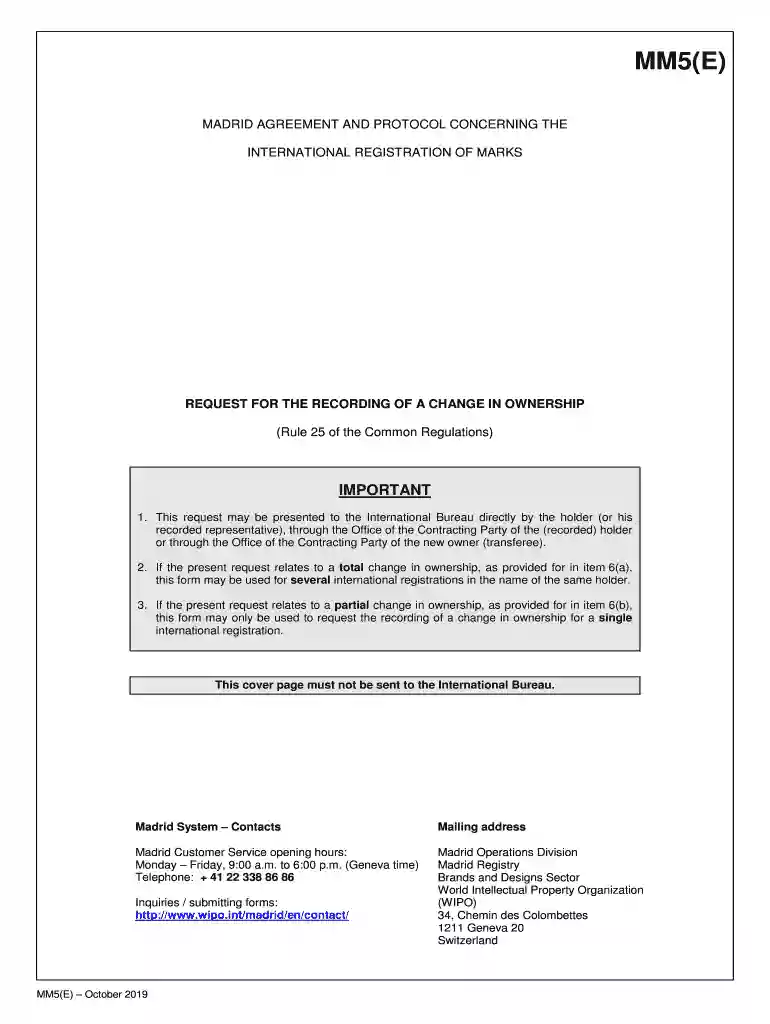
The term "recorded representative), through the Office of the Contracting Party of the (recorded) holder" is a legal concept often encountered in the realm of international trademark law, particularly under the Madrid Agreement and Protocol. This refers to the designated individual or entity authorized to act on behalf of the trademark holder within the jurisdiction of the contracting party, which is the country or entity that is part of the international agreement.
Context in Trademark Law
- Madrid System: This is an international system that allows trademark holders to seek protection across multiple countries through a single application.
- Contracting Party: In this context, refers to a country or organization that is a signatory to the Madrid Agreement or Protocol.
- Recorded Representative: An individual or organization officially documented as having the authority to manage legal and administrative aspects of the trademark on behalf of the holder.
How to Use the Recorded Representative
Utilizing the role of a recorded representative is essential for managing international trademarks effectively.
Role and Responsibilities
- Liaison Role: The representative acts as the main contact point between the trademark holder and the international authorities, ensuring that all communications are streamlined.
- Document Management: They are responsible for submitting necessary documents, responding to requests, and ensuring compliance with deadlines.
- Legal Authority: Authorized to make decisions on the behalf of the holder, including modifications or renewals of trademark registrations.
Practical Steps for Use
- Appointing a Representative: The holder must formally designate a representative by providing appropriate documentation to the relevant contracting party office.
- Communication: All official notifications and requests are directed to the recorded representative, who manages them efficiently.
Steps to Complete the Recorded Representative Form
Completing the form to appoint or update a recorded representative requires attention to detail and adherence to specific guidelines.
Step-by-Step Process
- Obtain the Form: Secure the relevant form through the International Bureau or the national trademark office.
- Fill Out Necessary Information: Provide accurate details about the representative and the trademark holder.
- Submit Supporting Documents: Include any required identification or authorization documents.
- Review and Submit: Ensure the form is complete and free from errors before submission to the appropriate office.
Common Mistakes to Avoid
- Incomplete Information: Make sure all mandatory fields are filled.
- Unauthorized Representative: Verify that the recorded representative is properly authorized according to the protocol requirements.
Required Documents
Submitting the right documents is crucial for the successful appointment of a recorded representative.
Documentation Checklist
- Identification of Representative: Valid ID or equivalent for verification.
- Authorization Letter: A formal letter from the trademark holder granting authority to the representative.
- Proof of Address: For contact and verification purposes.
Additional Requirements
Some jurisdictions may require additional documentation, such as evidence of representation agreement or local legal compliance certificates.
Legal Use of the Recorded Representative
Complying with legal requirements ensures effective use of the recorded representative in international trademark issues.
Legal Framework
- Madrid Protocol and Agreement: Establishes the guidelines and rights of recorded representatives in managing international trademarks.
- National Laws: Each contracting party may have additional national legal requirements that must be followed.
Compliance Measures
- Ensure Valid Authorization: Continuous verification that the representative's authority remains valid and up to date.
- Adhere to Jurisdictional Requirements: Stay informed about any changes in the national laws of the contracting party.
Penalties for Non-Compliance
Failure to correctly use or appoint a recorded representative can lead to significant repercussions.
Potential Consequences
- Loss of Trademark Rights: Non-compliance may lead to cancellation or suspension of international trademark registrations.
- Financial Penalties: Fines or fees may be imposed for administrative infractions or delays.
- Legal Action: Possible legal challenges due to mismanagement or unauthorized representation.
Examples of Using the Recorded Representative
Practical applications of appointing a recorded representative highlight its importance in trademark management.
Real-World Scenarios
- Global Brand Expansion: A U.S.-based company looking to expand its trademark protections into Europe can designate a representative in a European contracting party for efficient operations.
- Trademark Dispute Resolution: Navigate international trademark disputes with a representative handling cross-border legal communications.
Benefits in Practice
- Streamlined Processes: Reduces complexity and administrative burden on the trademark holder.
- Localized Expertise: Leverages the representative's knowledge of local laws and customs for smoother operations.
Who Typically Uses the Recorded Representative
Understanding the typical users of this form can provide insights into its functional necessity.

Common Users
- Large Corporations: Those with international trademark portfolios.
- Legal Firms: Managing multiple trademarks for various clients.
- SMEs Expanding Internationally: Small and medium-sized enterprises entering new markets.
Benefits for Different Entities
- Reduced Legal Risk: Ensures compliance with international trademark laws.
- Efficient Management: Delegates complex legal and administrative tasks to qualified professionals.