



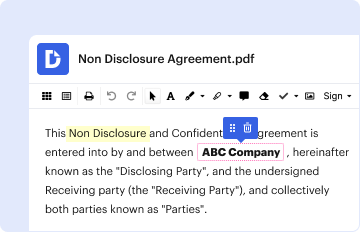
01. Edit your form online
Type text, add images, blackout confidential details, add comments, highlights and more.

Type text, add images, blackout confidential details, add comments, highlights and more.
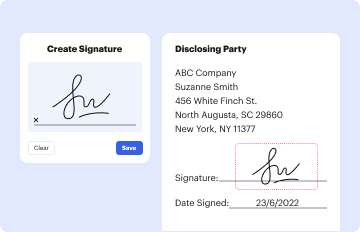
Draw your signature, type it, upload its image, or use your mobile device as a signature pad.

Send it via email, link, or fax. You can also download it, export it or print it out.
The Voluntary Disclosures Program (VDP) application is a critical tool provided by the Canada Revenue Agency (CRA) for taxpayers who need to correct inaccurate or incomplete tax information. It allows individuals and businesses to disclose previously unreported income, thus helping them to become tax compliant without facing severe penalties. Understanding the nuances, requirements, and benefits of this application is crucial for successful tax management.
Eligibility for the VDP application is governed by specific criteria, which taxpayers must meet to qualify for the program. Understanding these criteria is essential to ensure a successful application.


Completing the VDP application involves a precise series of steps that ensure all necessary information is accurately reported.
Familiarizing yourself with the terminology associated with the VDP application is crucial to navigating the process effectively.
When utilizing the VDP application, understanding the documentation required is key to a successful submission.
Legal compliance is a fundamental aspect of utilizing the VDP application. Understanding the legal use and implications can prevent unnecessary complications.
Real-world scenarios demonstrate the usefulness of the VDP application.
Understanding the penalties for non-compliance is essential to underline the importance of the VDP program.
The VDP application has undergone changes and has variants that cater to different disclosure needs.
Timeliness and understanding the approval process of the VDP application are essential for effective tax resolution.
There are several methods for submitting the VDP application, each with unique benefits.
Certain business types derive significant benefits from utilizing the VDP for tax compliance.
By knowing these aspects of the Voluntary Disclosures Program application, taxpayers can take the necessary steps to maintain compliance and potentially receive relief from penalties and interest.
We've got more versions of the Voluntary Disclosures Program (VDP) Application - Canada ca form. Select the right Voluntary Disclosures Program (VDP) Application - Canada ca version from the list and start editing it straight away!
At DocHub, your data security is our priority. We follow HIPAA, SOC2, GDPR, and other standards, so you can work on your documents with confidence.
Apr 23, 2025 Also, added another note to address related entities must be selected on the VDP application form to be eligible for VDP terms. (39) IRM 4.63.
Jan 14, 2019 The increase related primarily to higher revenues in Business and lower operating costs driven by. VDP-related reductions of approximately $25
A states Voluntary Disclosure Programme is another avenue available to taxpayers to assist them in resolving their state tax delinquencies. This programme is


