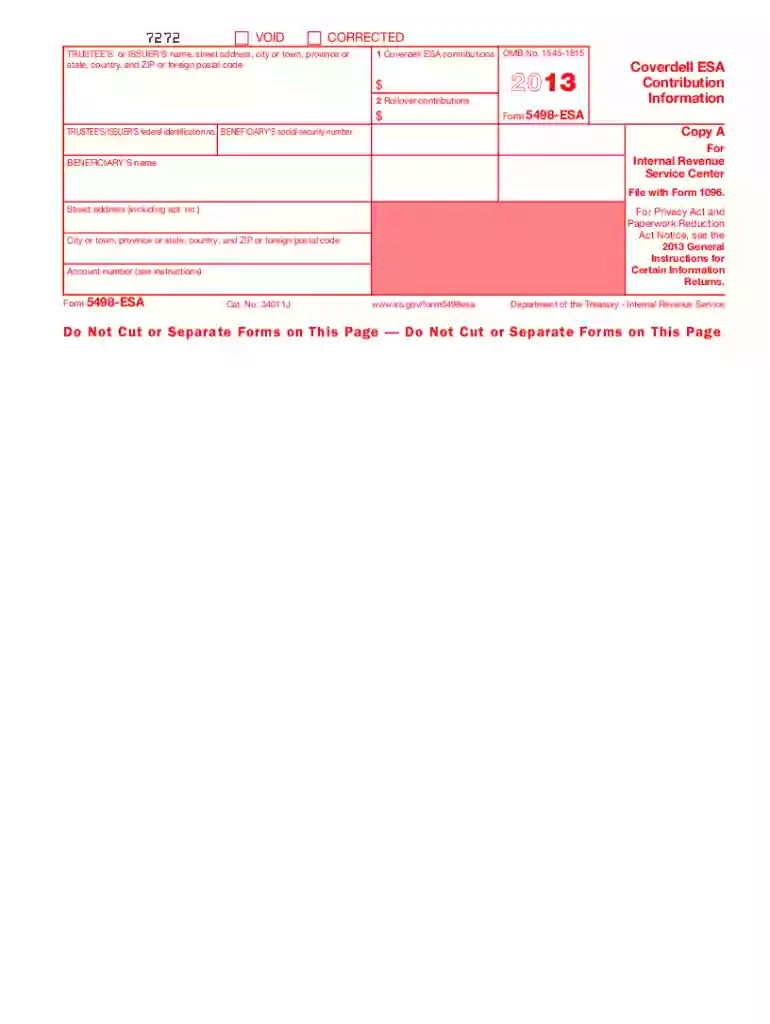
Treasuryandnbsp - irs 2026

Get Form
Treasuryandnbsp - irs Preview on Page 1

Here's how it works

01. Edit your form online
Type text, add images, blackout confidential details, add comments, highlights and more.

02. Sign it in a few clicks
Draw your signature, type it, upload its image, or use your mobile device as a signature pad.

03. Share your form with others
Send it via email, link, or fax. You can also download it, export it or print it out.

Definition and Meaning of Treasuryandnbsp - IRS

The "Treasuryandnbsp - IRS" form is a document used by the U.S. Department of the Treasury and the Internal Revenue Service (IRS) for specific reporting and compliance purposes. It serves as a crucial tool in the tax filing and information collection processes. Understanding its purpose, requirements, and the contexts in which it is used is essential for anyone dealing with U.S. tax obligations.

Key Objectives

  • Provides detailed fiscal reporting to comply with tax regulations.
  • Facilitates the collection of necessary financial data from taxpayers or filers.
  • Supports transparency and accuracy in tax administration.

Common Uses

  • Used by individuals, businesses, or fiduciaries for tax reporting.
  • Essential for capturing specific financial information related to taxes, like income, deductions, or credits.

Steps to Complete the Treasuryandnbsp - IRS

Filling out the Treasuryandnbsp - IRS form accurately is crucial to ensure compliance and avoid potential penalties. The following steps outline how to meticulously complete this form.

  1. Gather Required Information: Collect all necessary financial documents, including statements of income, deductions, any receipts, or relevant financial records.

  2. Download or Obtain Form: Access the latest version of the form through the official IRS website or other authorized sources to ensure it reflects the most current requirements.

  3. Read Instructions Carefully: Each form will come with a set of instructions outlining specific requirements for each section; familiarizing yourself with these instructions is imperative.

  4. Fill Out Relevant Sections: Input your data accurately into any designated fields of the form, ensuring all numbers and figures are checked for precision.

  5. Review for Completeness: Before submission, verify each part is thoroughly completed and check for any overlooked fields.

  6. Submit Through Proper Channels: Decide on the appropriate submission method, such as online submission through the IRS website, through mail, or in person where applicable.

How to Use the Treasuryandnbsp - IRS

The Treasuryandnbsp - IRS form must be used according to specific guidelines to fulfill its legal and fiscal purpose effectively.

Implementation in Tax Filing

  • Integrate the form into the standard tax process for individuals or entities it applies to.
  • Utilize the form data to complete the tax filing, ensuring it aligns with any supporting documents.

Compliance and Record-Keeping

  • Retain copies of the form and submission receipts for your records, as IRS may request them during audits.
  • Use the form as evidence of compliance for any financial transactions it pertains to.

Legal Use of the Treasuryandnbsp - IRS

Understanding the legal context of the Treasuryandnbsp - IRS form is crucial for compliance and proper utilization.

Regulations and Compliance

  • Adheres to U.S. tax regulations as mandated by law, primarily under the jurisdiction of the IRS.
  • Acts as an official document within the treasury system for financial reporting and compliance.

Legal Obligations

  • Non-compliance or inaccuracies can lead to legal consequences, including penalties or fines.
  • Thorough understanding of applicable laws and regulations is necessary for proper completion and submission.

Who Typically Uses the Treasuryandnbsp - IRS

The Treasuryandnbsp - IRS form is utilized by a range of stakeholders, all of whom have specific obligations regarding its use and submission.


decoration image ratings of Dochub

Diverse User Base

  • Individual Taxpayers: Many individual taxpayers, including self-employed and employed, may need this form.
  • Businesses: Corporations, partnerships, and small businesses typically engage with this form as part of tax reporting.
  • Financial Institutions: Often submit aggregated information relevant to accounts and transactions.

Purpose for Different Users

  • Individuals: Ensures accurate representation of income and deductions.
  • Businesses: Facilitates compliance with corporate tax obligations and aids in maintaining fiscal transparency.

Important Terms Related to Treasuryandnbsp - IRS

It is beneficial to understand specific terminology associated with the Treasuryandnbsp - IRS form for accurate interpretation and completion.

Glossary and Definitions

  • Filer: The entity (individual or business) responsible for completing and submitting the form.
  • Tax Year: The specific year for which tax reporting and payment are being addressed.
  • Adjustments: Changes or deductions applied to gross income to determine taxable income.

Key Elements of the Treasuryandnbsp - IRS

The form consists of several critical components that collectively serve to capture comprehensive financial detail.

Core Sections

  • Personal Information: Basic details including name, address, and taxpayer identification number.
  • Financial Data: Specific figures related to income, deductions, and exemptions.
  • Declaration and Signature: An attestation section acknowledging accuracy under penalty of perjury.

Detailed Breakdown

The precise configuration of these elements may vary depending on the specific form type and its individual requirements.

Penalties for Non-Compliance

Failure to comply with the Treasuryandnbsp - IRS form requirements can result in significant penalties.

Potential Ramifications

  • Fines and Interest: Late submissions or penalties for underreporting.
  • Legal Action: Severe cases may result in audits or legal investigation.
  • Rectification Requirements: Obligations to correct submitted information and pay any due penalties promptly.

Filing Deadlines and Important Dates

Understanding the appropriate timeline for submission is vital for compliance and penalty avoidance.

Critical Timing

  • Annual Due Dates: Typically aligns with federal income tax deadlines, which are generally around mid-April.
  • Extensions: Procedures exist for filing extensions, which must be formally requested and can provide additional time.

Ensuring awareness of these timelines helps maintain compliance and avoid unnecessary penalties accruing from late submissions.

See more Treasuryandnbsp - irs versions

We've got more versions of the Treasuryandnbsp - irs form. Select the right Treasuryandnbsp - irs version from the list and start editing it straight away!
Versions Form popularity Fillable & printable
2023 4.7 Satisfied (37 Votes)
2022 4.5 Satisfied (28 Votes)
2021 4.8 Satisfied (218 Votes)
2020 4 Satisfied (31 Votes)
2019 4.4 Satisfied (240 Votes)
2018 4.4 Satisfied (208 Votes)
2017 4.3 Satisfied (92 Votes)
2016 4.4 Satisfied (189 Votes)
2013 4.4 Satisfied (136 Votes)
2012 4.3 Satisfied (213 Votes)
be ready to get more

Complete this form in 5 minutes or less

Get form

Got questions?

We have answers to the most popular questions from our customers. If you can't find an answer to your question, please contact us.
Contact us
The IRS sends notices and letters for the following reasons: You have a balance due. The IRS changed your return - You are due a larger or smaller refund The IRS has a question about your tax return. The IRS needs to verify your identity. The IRS needs additional information.
Usually, IRS Treas 310 signifies a tax refund from your recently filed U.S. tax return. Overpaying Taxes Throughout the Year: If you withheld more tax from your paycheck (or other income sources) than you owed, youre entitled to a refund.
Take the time to speak directly with your bank representative or the IRS first. If you make the mistake of wiring the money to the thieves, you unwittingly become complicit in the ruse. By voluntarily sending the refund back, you lose your leverage on potential recovery of the theft. Its a diabolically clever scam.
As to why you received it, either your return was filed this way, a preparer added it after, a mistake was made by an employee (not likely for this amount,) or very rarely another taxpayer banks where you do and happened to enter your account number by accident when filing a return and it was deposited to you.
$3,000 IRS Tax Refund Schedule 2025: When to Expect Your Refund Based on Filing Type. The IRS will begin issuing tax refunds averaging ~$3,000 to eligible U.S. taxpayers who filed their 2024 federal income tax returns between May 1 and May 31, as part of the $3000 IRS tax refund schedule 2025.

Security and compliance

At DocHub, your data security is our priority. We follow HIPAA, SOC2, GDPR, and other standards, so you can work on your documents with confidence.

Learn more
ccpa2
pci-dss
gdpr-compliance
hipaa
soc-compliance

People also ask

A refund from a filed tax return, including an amended tax return or an IRS tax adjustment to your tax account this will show as being from the IRS (IRS TREAS 310) and carry the code TAX REF.

Related links