



01. Edit your form online
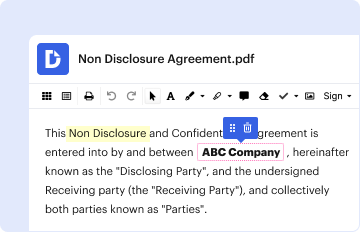
Type text, add images, blackout confidential details, add comments, highlights and more.

Type text, add images, blackout confidential details, add comments, highlights and more.
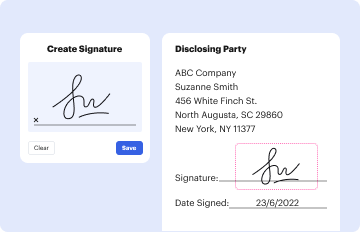
Draw your signature, type it, upload its image, or use your mobile device as a signature pad.
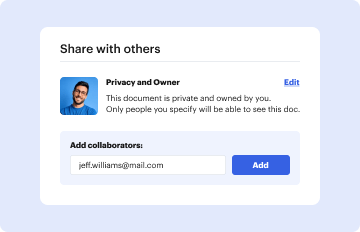
Send it via email, link, or fax. You can also download it, export it or print it out.
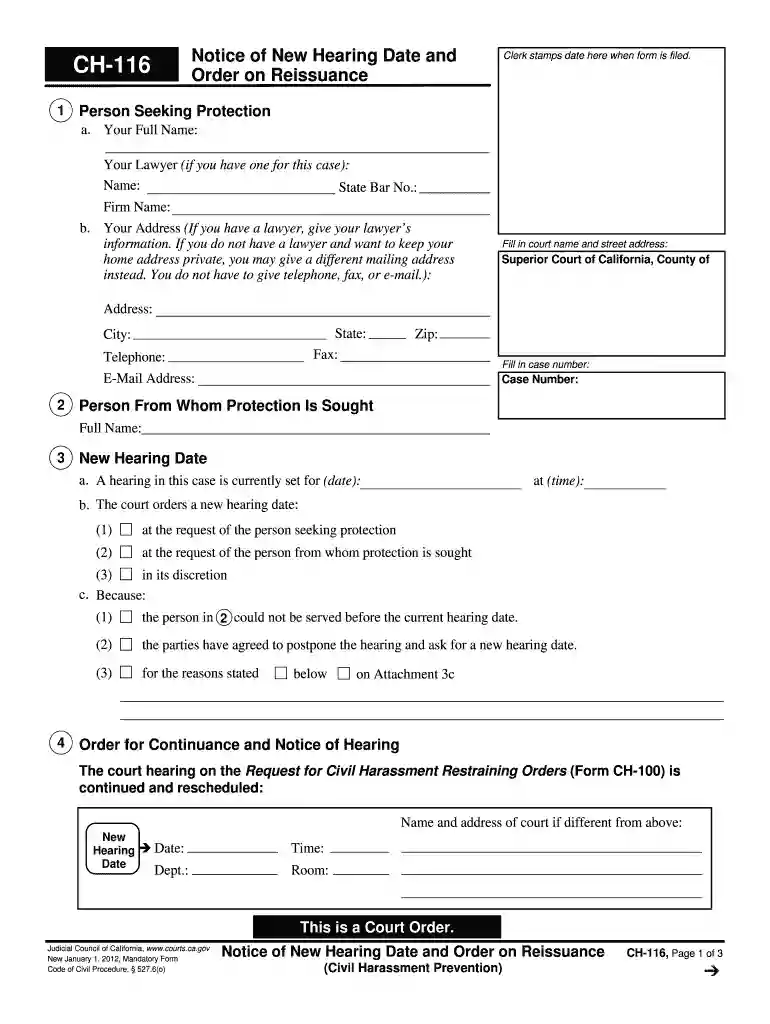
The CH-116 Notice of New Hearing Date and Order serves as a legal notification regarding the rescheduling of hearing dates related to civil harassment restraining orders in California courts. This form is vital for communicating the new hearing schedule and maintaining legal compliance. The document plays a crucial role in keeping involved parties informed about:
Utilizing this notice ensures that all parties are aware of the updates in the legal proceedings and facilitates an organized process.
Using the CH-116 effectively involves several critical steps to ensure complete and accurate delivery of the new hearing information. Here’s how to navigate this process:
By following these steps, you ensure that the rescheduling is effectively communicated to all involved parties and legally recognized.
Acquiring the CH-116 Notice form can be accomplished through several accessible methods to suit different preferences:
Choosing the right method depends on the individual's access to digital resources or need for legal guidance.
Filling out the CH-116 form involves detailed attention to various sections to ensure compliance and accuracy. Here’s a breakdown of the process:
Important points to consider during completion:
Critical components of the CH-116 need clear understanding to ensure accuracy and compliance. Some key elements include:
Together, these elements ensure the notice fulfills its role in informing concerned parties.
The legal framework surrounding the CH-116 Notice requires understanding and following specific compliance measures:
By adhering to these legal guidelines, parties can ensure the notice fulfills its purpose while maintaining legal integrity.
Understanding terminology is essential for effectively utilizing the CH-116 notice. Key terms include:
These terms help clarify the functions and implications of the notice within legal proceedings.
The CH-116 Notice is typically used by various stakeholders within the legal system:
These parties play crucial roles in ensuring the notice serves its intended purpose efficiently and comprehensively.
We've got more versions of the CH-116 Notice of New Hearing Date and Order - California Courts - courts ca form. Select the right CH-116 Notice of New Hearing Date and Order - California Courts - courts ca version from the list and start editing it straight away!
At DocHub, your data security is our priority. We follow HIPAA, SOC2, GDPR, and other standards, so you can work on your documents with confidence.
notice will issue with the date of shipment being the date furnished in an affidavit signed by the dealer, but subsequent investigation uncovers records
by AJ KONIK Cited by 6 California state courts have issued tentative rulings for decades. Although the California Rules of Court specify some procedural requirements for all.
Your court date is: (1) Any Temporary Restraining Order (form. ) already granted stays in full force and effect until the next court date.


