Definition and Meaning
Travellers Cheques are a financial product designed to provide a secure way to carry money while traveling. They allow users to exchange them for local currency at banks, foreign exchange bureaus, or shops. Issued by financial institutions like Visa and Mastercard, these cheques are internationally recognized and can be replaced if lost or stolen, offering a safe alternative to carrying cash. In the context of Travelex UK, these cheques serve as a trusted method for managing travel funds, reducing reliance on credit cards.
Key Features
- Replaceability: Unlike cash, lost or stolen travellers cheques can be replaced.
- Security: Each cheque has a unique serial number and requires a signature for use, ensuring higher security.
- Universal Acceptance: Widely accepted across various countries and regions.
Advantages
- Peace of Mind: Travellers do not need to worry about losing large amounts of cash.
- Control Over Spending: Helps manage travel expenses by limiting the amount of accessible funds.
How to Use Travellers Cheques
To use travellers cheques effectively, travelers must endorse them at the time of purchase and again when cashing them. This two-step process ensures that only the rightful owner can use the cheques. Cheques can be cashed at a wide array of locations, including banks and retail outlets, and sometimes directly used to pay for services.
Process of Using
- Endorse at Purchase: Sign each cheque at the designated spot upon purchase.
- Local Currency Exchange: Present the cheque to a financial institution or retail outlet to receive local currency.
- Endorse Again: Sign the cheque again in the presence of the person cashing it.
Scenarios for Usage
- Emergency Funds: Useful in regions where credit cards are not widely accepted.
- Tracking Spending: Helps in maintaining a budget during travel.
Steps to Complete the Travellers Cheques: Visa and MastercardTravelex UK
Completing the process with travellers cheques requires a few systematic steps. This ensures a hassle-free experience when accessing funds during travel.
Step-by-Step Guide
- Purchase Cheques: Obtain from a bank or authorized financial institution.
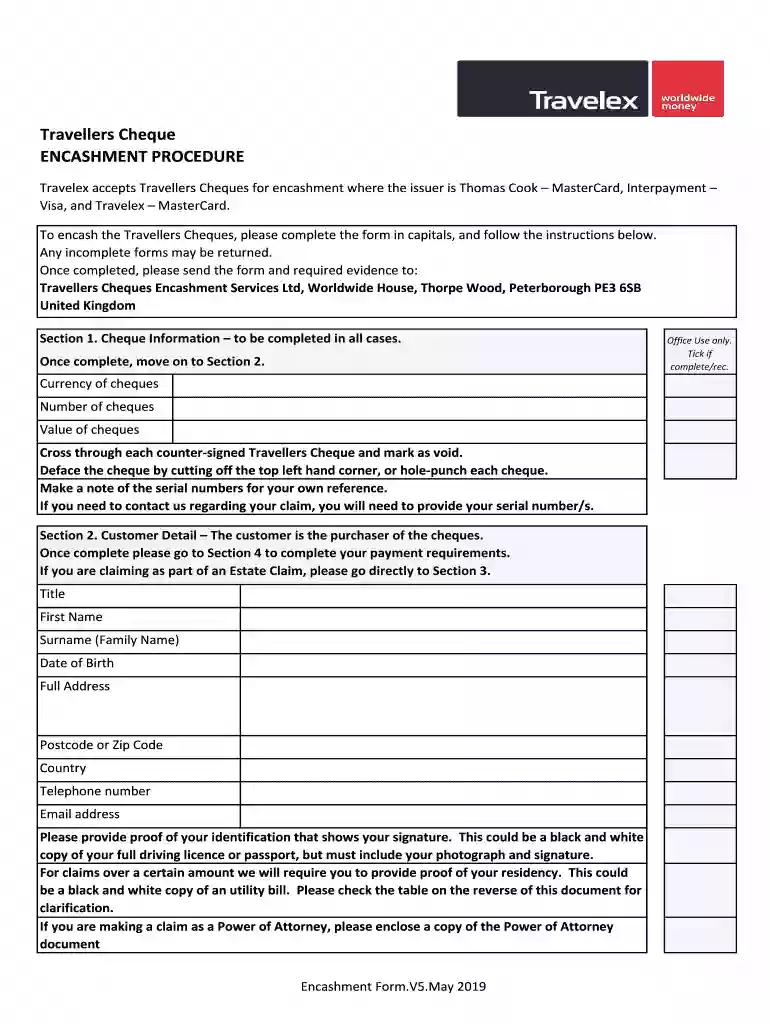
- Keep Records: Make a note of the serial numbers separately.
- Identification: Always carry a valid ID to present during transactions.
- Cashing Cheques: Visit authorized locations for encashment. Follow the endorsement process.
Important Details
- Record Keeping: Keep a record of the cheques and their corresponding serial numbers in a secure location separate from the cheques themselves.
- Verification: Always ensure that the institution or outlet is recognized and authorized to handle travellers cheques.
Who Typically Uses Travellers Cheques: Visa and MastercardTravelex UK
Travellers cheques cater to a diverse group of users. These include frequent travelers, students studying abroad, and business professionals on international assignments, among others.
Target Users
- Tourists: Particularly those traveling to countries with unstable currency systems or limited credit card infrastructure.
- Business Travelers: Offers a secure method for expense management during trips.
- Family Travelers: Provides parents with peace of mind by securing funds for their children abroad.
Benefits for Each Group
- Tourists: Ensures access to funds without relying on credit facilities.
- Students: Offers parents control over foreign expenses.
- Business Professionals: Facilitates budgeting and record-keeping for corporate expenses.
Legal Use of the Travellers Cheques
Travellers cheques offer a legally recognized means of conducting financial transactions and accessing funds internationally. They are governed by domestic and international financial regulations, making them a reliable option for travel.
Compliance
- Regulatory Oversight: Issued under stringent financial guidelines to prevent misuse and fraudulent activities.
- Authentication Protocols: Incorporate security features such as watermarks and unique serial numbers for validation.
Legal Protection
- Loss and Theft: Legal frameworks exist for users to claim and replace lost or stolen cheques.
- Fraud Prevention: Legal action can be taken against fraudulently cashed cheques.
Important Terms Related to Travellers Cheques
Understanding the terminology associated with travellers cheques can enhance a traveller's ability to use them efficiently.
Glossary
- Endorsement: The act of signing a travellers cheque to validate it for exchange.
- Serial Number: A unique identifier on each cheque used for tracking and replacement.
- Encashment: The process of converting a travellers cheque into local currency.
Usage of Terms
These terms are critical when discussing, negotiating, or transacting travellers cheques either during preparation before a trip or while on the go.
Required Documents for Using Travellers Cheques
Using travellers cheques conveniently depends on having the right documentation. This can prevent issues and streamline access to funds.
Documentation Checklist
- Valid Identification: Such as a passport or driver’s license.
- Proof of Purchase: Receipt showing the acquisition of travellers cheques.
- Original Cheques: The actual cheques intended for use.
Practical Advice
Carrying photocopies of important documents can further enhance safety and security, extending a layer of resilience to unforeseen situations.
Examples of Using Travellers Cheques: Visa and MastercardTravelex UK
Case studies and practical examples can illustrate the diverse applications of travellers cheques. Consider the following scenarios:
Real-World Scenarios
- Backpacking Travel: Safer for youth exploring multiple countries with fluctuating economies.
- Corporate Trips: Executives using cheques to manage per diems without bank account dependencies.
Learning Through Examples
- Replacement Process: A traveler uses documented serial numbers to reclaim lost cheques swiftly.
- International Study: Parents supply students with cheques for planned monthly expenses, controlled and traceable.