







Definition & Meaning
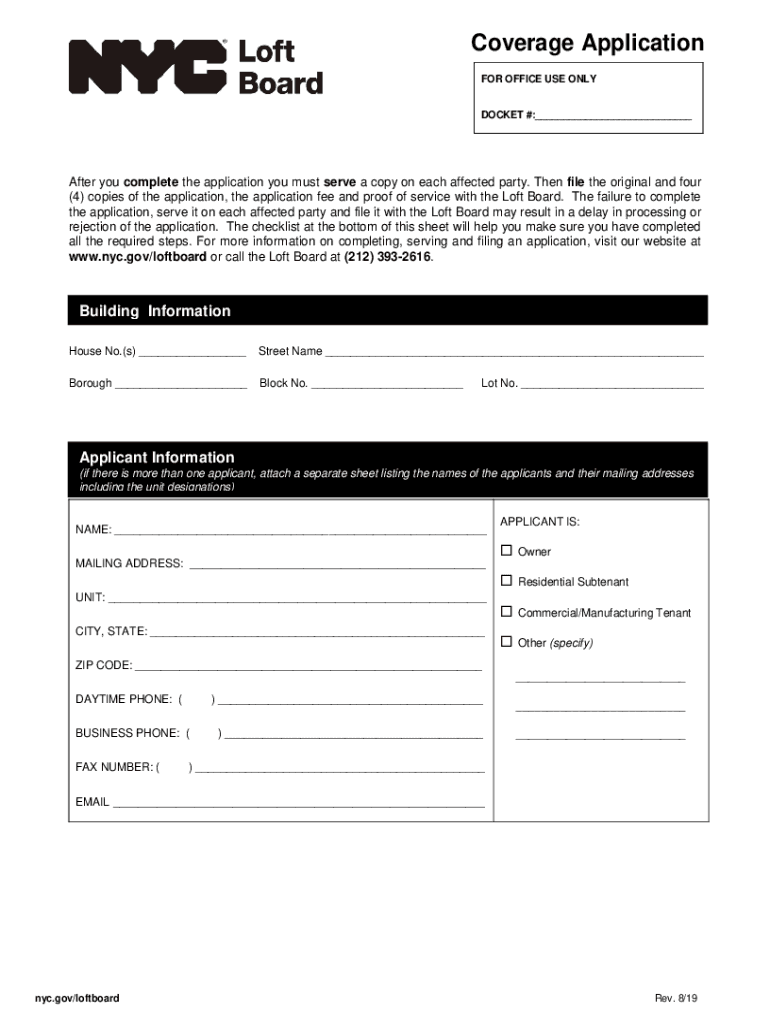
The "Instructions for Completing an Application - Government of New York City" is a precise guide aimed at assisting applicants in properly filling out a specific government form. This guide provides structured details on the necessary steps, expected information, and official requirements needed to complete the application accurately. The intention is to ensure applicants meet all criteria and submit all necessary documentation, preventing processing delays or rejections.
Practical Examples & Scenarios
Understanding the implications of each section of the application is crucial. For instance, if the application pertains to a housing program, it might require specific details like income verification, proof of residency, or identification documents. Offering real-world examples, such as a tenant applying for an affordable housing unit or a new business owner seeking a permit, helps illustrate the guide’s application steps effectively.
Steps to Complete the Application
Completing the application involves a series of structured steps tailored to collecting the required information effectively. Each step is crucial for ensuring that all details are captured accurately and that no critical information is overlooked.
Step-by-Step Instructions
-
Carefully Read Requirements: Begin by thoroughly reviewing the required documentation and information. This includes understanding eligibility criteria and necessary attachments.
-
Gather Documentation: Collect all necessary documents, such as identification, proof of income, and any relevant certificates. Ensure all documents are current and valid.
-
Fill Out Personal Information Accurately: Enter your personal details, such as full legal name, address, and contact information, making sure there are no errors.
-
Provide Additional Details: Depending on the application type, detail any specific information needed, such as employment history or family details.
-
Review for Completeness: Before submission, review the entire application form to ensure all fields are completed and the information is accurate.
-
Submit Application: Follow the outlined submission process, whether it's online, via mail, or in person, ensuring the application is submitted before any deadlines.
Variations and Exceptions
Certain applications may have additional steps or variations based on the applicant’s situation, such as different requirements for businesses compared to individuals. It’s essential to review any application-specific notes or exceptions provided in the instructions.
Key Elements of the Application
Several key components are ubiquitous across most government applications, acting as the foundation for information gathering. Understanding these elements ensures applicants provide a complete and comprehensive submission.
Main Components
- Applicant Information: Includes personal and contact details.
- Eligibility Criteria: Specific requirements that the applicant must meet to qualify.
- Statement of Purpose: An explanation or statement detailing the reason for the application.
- Supporting Documents: Various documents required to substantiate the application.
- Declarations and Signatures: Final declarations that the information provided is true, complete with signatures.
Importance of Accurate Information
Inaccurately filled forms can lead to application denial or require resubmission, causing delays. Ensuring that every section is completed with precise data is crucial for a successful application.
Required Documents
For an application to be processed successfully, it must be accompanied by specific supporting documents. These documents provide the necessary evidence to verify the applicant's claims and information.
Commonly Required Documents
- Identification: Government-issued ID or passport.
- Proof of Residency: Utility bills or lease agreements.
- Financial Information: Bank statements or pay stubs demonstrating income.
- Application-Specific Documents: For example, a business license or educational certificates.
Special Cases
Certain forms might require additional documents, such as proof of disability for specific benefits or student status verification for educational grants.
Legal Use of the Form
The correct and legal submission of the application form is essential to ensure compliance with governmental regulations. Misuse of or inaccuracies in the form can have legal consequences.
Compliance with Regulations
Applicants must adhere to the instructions and ensure all provided information is truthful. This adherence helps avoid any legal issues that may arise from providing false or misleading information.
Penalties for Non-Compliance
Submitting fraudulent information or failing to meet application guidelines can result in penalties, which could include fines, application denial, or, in severe cases, legal action.
Form Submission Methods (Online / Mail / In-Person)
Submission of the application can typically be executed through various channels, each with its own set of advantages and prerequisites.
Online Submission
Submitting forms online often involves digital platforms where documents can be uploaded and submitted electronically. This method is usually faster and provides confirmation of receipt quickly.
Mail Submission
Submitting via mail requires sending the filled form with all attachments to the designated address. It’s essential to use a reliable postal service to track the package.
In-Person Submission
Some applications may require or allow for in-person submission at specified locations, often providing the benefit of immediate feedback or confirmation of receipt.
How to Obtain the Form
Accessing the "Instructions for Completing an Application - Government of New York City" is a crucial initial step, ensuring that applicants have the latest and most accurate set of instructions.
Methods for Retrieval
- Online: Most forms and instructions are available for download from official government websites.
- Mail Request: Applicants can request the form by mail from the issuing department.
- Physical Locations: Forms can also frequently be obtained from government offices or designated areas providing public assistance.
Eligibility Criteria
The eligibility criteria define who can submit a particular application form, setting the boundaries for potential applicants.


Basic Eligibility
Each form will list eligibility requirements, which might include age restrictions, residency status, income limits, or other demographic criteria.
Special Circumstances
Exceptions or special provisions might apply to certain applicants, such as veterans, seniors, or individuals with disabilities, allowing for adjusted criteria or additional benefits.
Utilizing this structured guideline can help applicants navigate the process of completing and submitting their application correctly, meeting all necessary requirements to avoid potential delays or issues.




