Definition and Purpose of the 540 Form
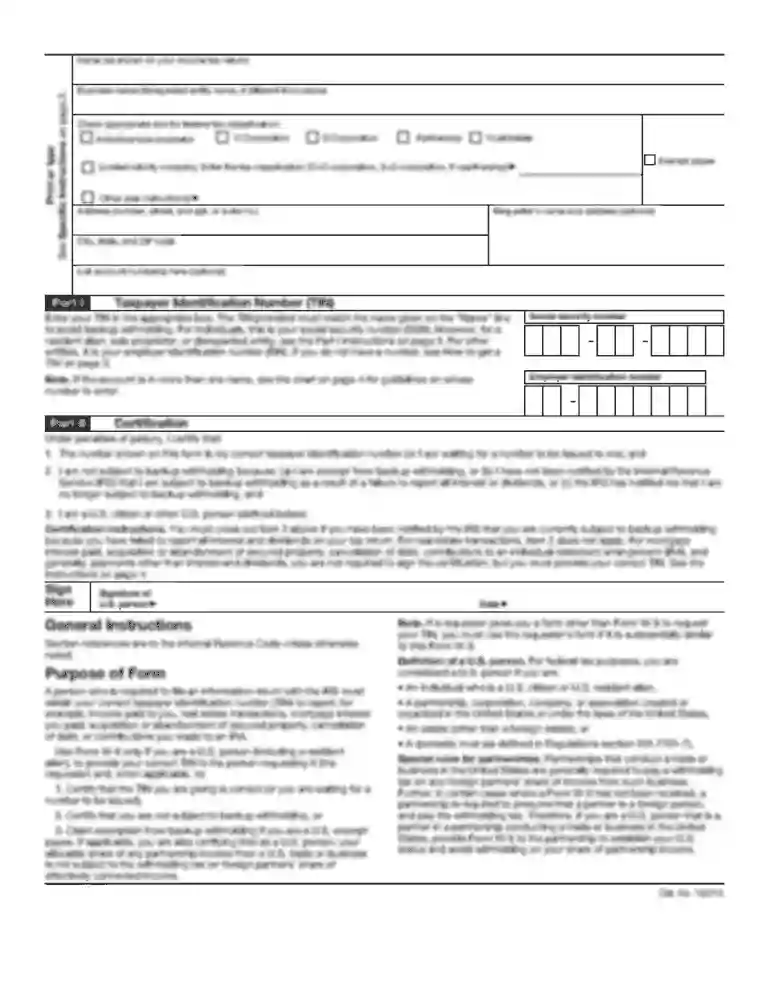
The 540 Form, issued by the Franchise Tax Board, is a tax document specific to the state of California. It is primarily used for filing state income tax returns by residents. The form captures detailed information about a taxpayer's income, deductions, credits, and tax liability. Understanding the significance of this form is crucial for residents as it directly affects their tax calculations based on California state laws.
- Income Reporting: The 540 Form requires detailed reporting of all types of income including wages, dividends, and other earnings.
- Deductions and Credits: Applicants must itemize deductions and claim credits to potentially reduce taxable income.
- Calculating Tax Liability: The form facilitates the computation of the total tax owed after adjustments.
Steps to Complete the 540 Form
Completing the 540 Form accurately is essential for compliance and to avoid penalties. Here is a step-by-step guide:
- Personal Information: Enter your name, Social Security number, and address accurately.
- Income Section: Report all taxable income sources. Ensure you have W-2s and 1099s for reference.
- Deductions and Adjustments: Itemize deductions like mortgage interest, property taxes, and charitable contributions.
- Tax Credits: Claim applicable credits, such as dependent care credits and education credits, that you qualify for.
- Tax Calculation: Follow the form's instructions to calculate your tax liability.
- Final Steps: Review the form, attach necessary documentation, and ensure signatures where required.
How to Obtain the 540 Form
Acquiring the 540 Form is straightforward. It is available through various channels:
- Online Download: The form can be downloaded directly from the Franchise Tax Board's website.
- Mail Order: You can request a paper form to be sent via mail by contacting the Franchise Tax Board.
- Tax Preparation Software: Many software platforms, like TurboTax or QuickBooks, include the 540 Form and guide users in filling it out.
Filing Deadlines and Important Dates
Timely filing of the 540 Form is critical to avoid late penalties:
- Annual Deadline: The typical deadline to file the form is April 15th, aligning with the federal tax deadline.
- Extensions: Taxpayers may apply for a six-month extension if they cannot meet the initial deadline.
- Estimated Payments: For those required to remit estimated taxes, installment payments are usually due in April, June, September, and January.
Who Typically Uses the 540 Form
The 540 Form is designed for California residents, and its typical users include:

- Employed Individuals: Those who earn wages in California.
- Self-Employed Taxpayers: Sole proprietors report business income via this form.
- Retirees: Individuals receiving pensions or annuities may need to file this form.
- Students: If earning income through part-time jobs, students residing in California may also be required to file.
Key Elements of the Form
Understanding the components of the 540 Form is vital:
- Basic Information: Section for personal details, such as marital status and dependents.
- Income Summary: Aggregate your total income from various sources.
- Adjustment to Income: Opportunities to make necessary adjustments and deductions.
- Tax Calculation: Includes a worksheet for computing the total tax due or refund amount.
Digital vs. Paper Version
When filing the 540 Form, taxpayers have options regarding submission formats:
- Digital Filing: E-filing is encouraged as it is faster, reduces errors, and expedites returns.
- Paper Filing: Traditional mailing is also available for those who prefer or require paper submission. Ensure timely mailing to avoid late penalties.
Penalties for Non-Compliance
Failing to properly file or pay your taxes utilizing the 540 Form can result in consequences:
- Late Filing Penalties: Penalties apply if the form is filed past the deadline without an approved extension.
- Underpayment Penalties: Interest charges on any taxes not paid by the due date.
- Legal Consequences: Continued non-compliance may result in further legal action by the Franchise Tax Board.
Required Documentation
Preparation is key when completing the 540 Form:
- W-2 Forms: For reporting wages earned over the tax year.
- 1099 Forms: To report additional income like freelance work or investment earnings.
- Receipts for Deductions: Documentation evidence for claimed deductions such as medical expenses or charitable contributions.