




01. Edit your clinic new patient registration online
Type text, add images, blackout confidential details, add comments, highlights and more.

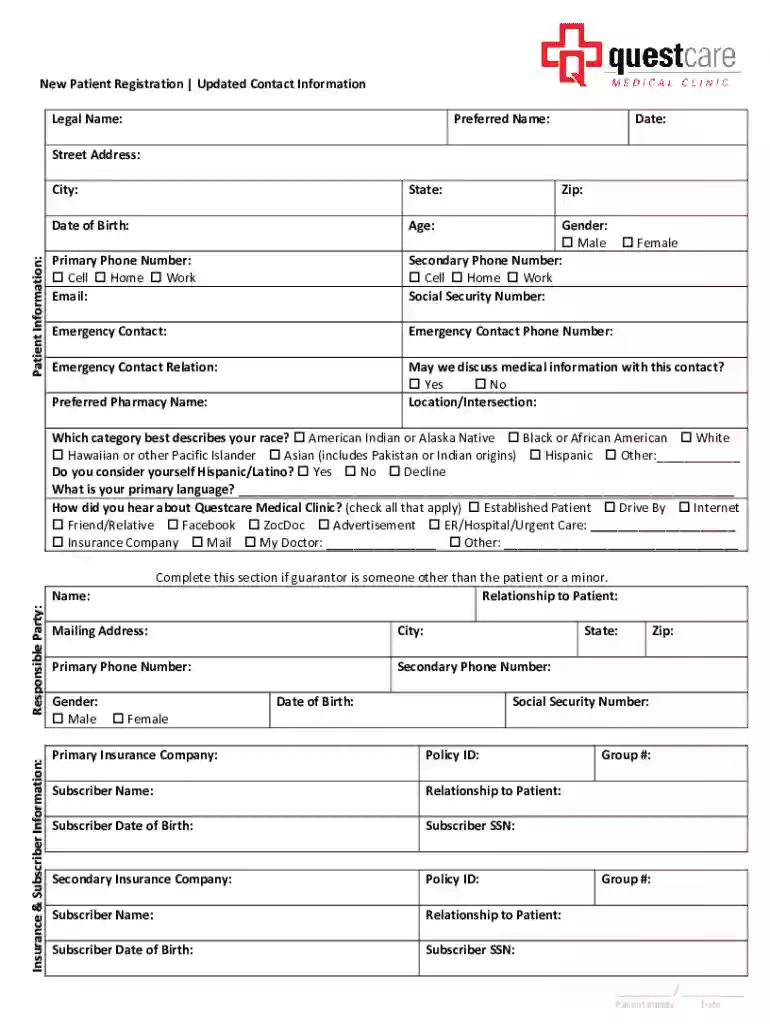
Type text, add images, blackout confidential details, add comments, highlights and more.
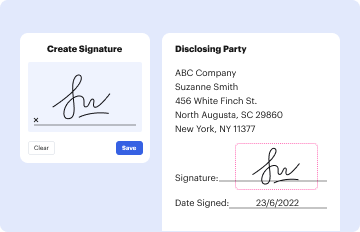
Draw your signature, type it, upload its image, or use your mobile device as a signature pad.

Send it via email, link, or fax. You can also download it, export it or print it out.
The "clinic new patient registration" form is an essential document used by medical facilities to gather crucial information from new patients before their initial visit. This form plays a critical role in ensuring that healthcare providers have access to all necessary patient details, facilitating a smoother and more personalized experience. It typically includes sections for personal identification, contact details, medical history, insurance information, emergency contacts, and consent for treatment. The form ensures that medical clinics have a comprehensive understanding of the patient's background, needs, and preferences.
Completing the clinic new patient registration form involves several steps to ensure accuracy and completeness:
Personal Information: Fill in your full name, date of birth, gender, and Social Security number.
Contact Details: Provide your current address, phone number, and email address for communication purposes.
Insurance Information: Include your insurance provider's name, policy number, and any relevant subscriber details.
Medical History: Detail any past medical conditions, ongoing treatments, allergies, and medications. This provides the clinic with vital information for tailored care.
Emergency Contacts: List one or more emergency contacts, including their names, relationship to you, and contact information.
Consent and Acknowledgements: Sign any sections related to treatment consent, payment agreements, and acknowledgment of the clinic's privacy policy.
Ensure all information is legible and accurate to prevent processing delays or miscommunication.
The new patient registration form consists of several key elements that facilitate comprehensive data collection:
The clinic new patient registration form is primarily utilized by:
These stakeholders rely on the form to establish a clear line of communication and record management between patients and healthcare providers.


The legal use of the clinic new patient registration form encompasses several aspects to conform with healthcare regulations and standards:
Ensuring these legal elements are handled appropriately protects both the patient's rights and the clinic's responsibilities.
State-specific regulations may influence the contents and conditions of the clinic new patient registration form:
Understanding these state-specific nuances is crucial for clinics operating in multiple jurisdictions to maintain compliance with all relevant laws.
The clinic new patient registration form is available in both digital and paper formats:
Both versions serve their purpose, and the choice between them may depend on clinic capabilities and patient preferences.
Patients might need to present additional documents when completing the clinic new patient registration form:
Having these documents ready streamlines the registration process and ensures the clinic has all necessary information to proceed with treatment.
We've got more versions of the clinic new patient registration form. Select the right clinic new patient registration version from the list and start editing it straight away!
At DocHub, your data security is our priority. We follow HIPAA, SOC2, GDPR, and other standards, so you can work on your documents with confidence.
Go to the registration desk located at Kentucky Clinic on the first or third floor, or in the main hospital lobby. About our services. If you will be admittedRead more
Registration packet on site: Stop by one of our clinic locations for a new patient registration packet. See all clinic locations and hours of operation.Read more


