





Definition and Purpose of the NC-478G Form
The NC-478G form is part of the North Carolina tax credit forms used to claim the tax credit for investing in renewable energy property within the state. Specifically, the 2011 version of this form assists taxpayers in calculating and claiming credits for renewable energy investments such as solar, wind, hydroelectric, and biomass energy systems. The purpose of the NC-478G is to encourage the use of renewable energy sources by offering tax incentives.
Key Elements of the NC-478G Form
- Taxpayer Information: Includes detailed personal or business information of the entity claiming the tax credit.
- Credit Calculation: Sections dedicated to calculating the correct amount of credit based on the type of renewable energy system and its cost.
- Credit Limits: Defined maximum credit amounts for each type of energy system.
- Carryforward Information: Instructions on applying unclaimed credits to future tax years.
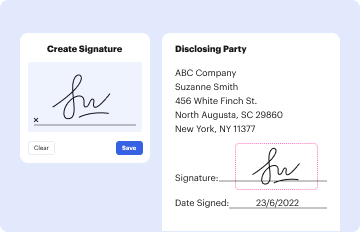
- Certification and Signature: Verification of accuracy and authorization by the taxpayer.
Steps to Complete the NC-478G Form
- Gather Necessary Documents: Collect invoices, purchase agreements, and installation certificates related to your renewable energy property.
- Enter Personal Information: Provide your full name, address, and taxpayer identification number in the designated fields.
- Calculate the Credit: Use the form’s guidelines to compute the eligible credit amount based on system type and expenditure.
- Complete Carryforward Section: If applicable, record any remaining credit from previous years.
- Verify and Sign: Ensure accuracy before signing, as this confirms your compliance and willingness to provide additional documentation if audited.
Required Documents
- Official purchase agreements for renewable energy systems
- Installation certification
- Previous tax documents if applying credit carryforward
Who Should Use the NC-478G Form?
Typically, businesses and individuals who have invested in renewable energy systems in North Carolina use this form. It is particularly beneficial for:
- Businesses: Entities looking to reduce their tax liabilities while promoting sustainable energy practices.
- Homeowners: Individuals with significant renewable installations who wish to take advantage of state incentives.
- Nonprofits and Educational Institutions: Organizations aiming to lower operational costs and fulfill sustainability goals.
Eligibility Criteria
- Investment in Approved Systems: Must involve state-approved renewable energy technologies such as solar photovoltaic, solar thermal, or wind energy systems.
- Location: The system must be installed within North Carolina.
- Certification: Systems must be certified for tax credit eligibility by an authority recognized by the state.

Legal and Compliance Considerations
IRS Guidelines
While the NC-478G form complies with North Carolina state requirements, investment in renewable energy may also align with federal tax credits. Ensure your investments qualify, and maintain thorough records to justify claims.
Penalties for Non-Compliance
Failure to accurately complete or submit the NC-478G form can result in fines or denial of tax credits. Additionally, misrepresentation of information may lead to audits or further investigation by tax authorities.
Application Process and Approval Time
The application for the NC-478G tax credit should be submitted as part of your North Carolina state tax return. Approval timelines typically follow the standard state return processing times, with any discrepancies in form completion potentially leading to delays.
Form Submission Methods
- Online Filing: Tax submissions including the NC-478G can be filed electronically through the North Carolina Department of Revenue’s system.
- Mail Submission: Physical copies may also be mailed, using the address provided by the state's tax department.
- In-Person: For additional support, you can submit the form through authorized tax preparation services.
Examples of Using the NC-478G Form
- Business Case: A manufacturing company installs a large-scale solar energy system to power its operations. By using the NC-478G, the company significantly reduces its state tax liabilities.
- Homeowner Use: A homeowner invests in residential solar panels. They use the NC-478G to apply for a state tax credit, reducing overall costs associated with their green investment.
Digital vs. Paper Version
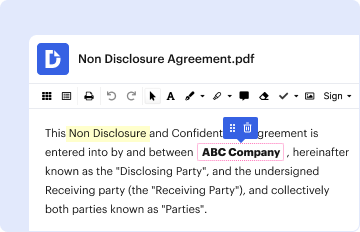
While the paper version of the NC-478G is available, using a digital platform like DocHub can streamline completion, editing, and submission processes, enhancing accuracy and reducing processing time.
Software Compatibility
Tax software such as TurboTax and QuickBooks may support the NC-478G form. Using compatible software can ensure accurate calculation and easier integration with overall tax filing activities.
In conclusion, the NC-478G form is an integral component for businesses and individuals investing in renewable energy within North Carolina to claim state tax credits effectively. Proper understanding and completion of this form can lead to significant tax benefits, contributing to sustainable practices and energy efficiency efforts.