







Definition & Meaning
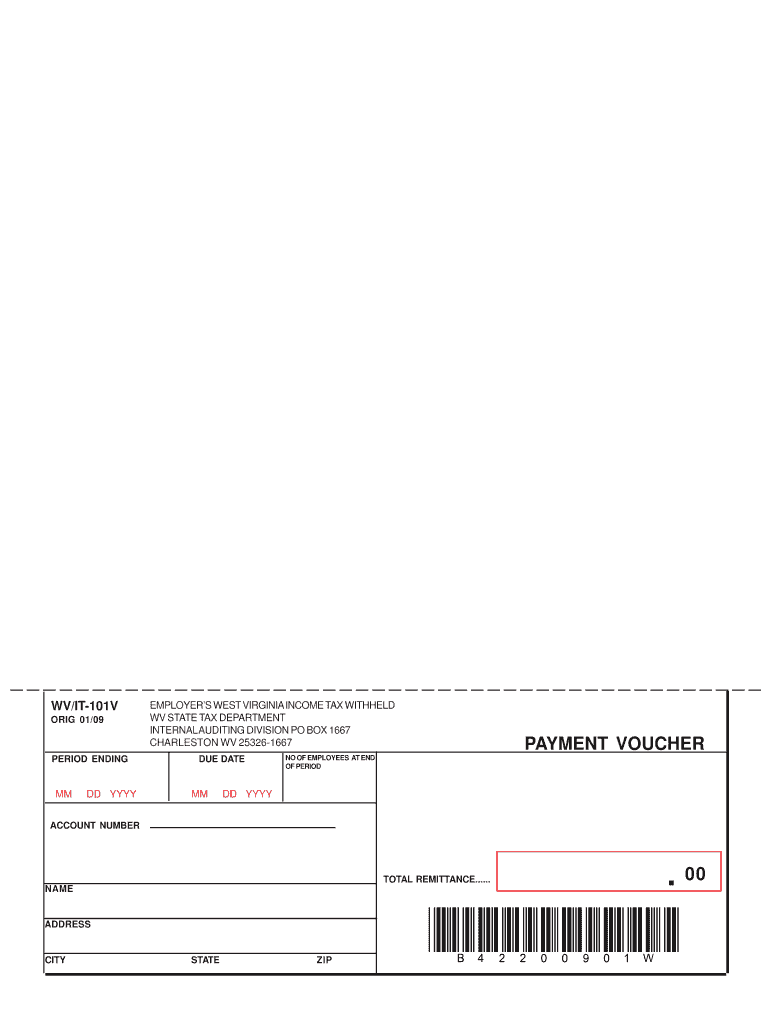
A payment voucher for the West Virginia State Tax Department is a financial document used to record the details of income tax withheld by employers within the state. This voucher serves as a formal record, ensuring accurate and transparent tax reporting. It is a necessary tool for employers to report the total income tax collected from employees and remit the corresponding amount to the state.
The payment voucher generally includes sections for employer identification information, such as the name and account number, details about the tax period ending date, the number of employees, and the total tax remittance. It ensures that employers fulfill their obligations to accurately report and pay state taxes, thereby maintaining compliance with state tax laws.
Key Elements of the Payment Voucher
Understanding the core components of the payment voucher is essential for proper completion and submission. The main sections include:
-
Employer Information: This includes the business name, address, and account number with the West Virginia State Tax Department. Accurate information here is crucial for processing.
-
Period Ending Date: Indicates the last day of the tax period for which withholding is being reported. It is important for aligning the payment with the correct tax period.
-
Number of Employees: Reflects the total number of employees for whom the tax is being reported. Ensures that all applicable withholdings are accounted for.
-
Total Remittance: This is the sum amount of tax that has been withheld and is now being submitted to the state. Verifying this amount against withheld taxes is key to avoiding discrepancies.
These elements collectively capture all the necessary data points required to process and validate the tax payments made by employers.
How to Use the Payment Voucher - WV State Tax Department
Completing the payment voucher involves several steps:
-
Gather Required Information: Collect the details of all employees, the amounts withheld, and your business account details with the tax department.
-
Fill Out the Form: Input all required information accurately. Include your employer account number, period ending date, number of employees, and the total remittance amount.
-
Verify Information: Double-check entries to ensure all information is correct and matches your payroll records. Errors can result in processing delays or penalties.
-
Submit the Voucher: Choose your method of submission – either online, by mail, or in person at the state tax department. Ensure you meet any applicable deadlines to avoid late penalties.
Using the form accurately ensures compliance with state tax requirements and helps prevent future complications.
Steps to Complete the Payment Voucher - WV State Tax Department
Here is a step-by-step guide for completing the West Virginia payment voucher:
-
Download or Obtain Form: Access the form through the West Virginia State Tax Department's website or your accounting software if integrated.
-
Complete Employer Details: Fill in the employer's name, address, and tax account number. Include any affiliated business IDs required.
-
Input Tax Period Information: Specify the year and the end date of the tax period covered by the voucher.
-
Enter Employee Count and Tax Withheld: Provide the number of employees for whom taxes have been withheld, and specify the total tax amount remitted.
-
Review and Confirm: Verify all entered data for accuracy. Correct any discrepancies to ensure your submission aligns with your payroll registers.
-
Choose Submission Method: Decide on the most convenient method for your form submission. Ensure all actions comply with West Virginia's guidelines.
State-Specific Rules for the Payment Voucher
When completing the payment voucher for West Virginia, it is important to be aware of particular state-specific rules:
-
Filing Deadlines: West Virginia mandates specific deadlines for submission. Employers need to ensure their payment reaches the tax department by these dates to avoid penalties.
-
Form Variants: While the basic structure remains consistent, certain employer categories may require additional documentation. Verify if additional licenses or certifications are needed for your instance.
-
Tax Codes and Regulations: Employers must comply with state regulations regarding withholding tax rates and exemptions. Ensure you are using the most recent tax rate tables for computations.
Being mindful of these state-specific rules helps maintain compliance and reduces the risk of errors in tax remittance.
Who Typically Uses the Payment Voucher - WV State Tax Department
The payment voucher is predominantly used by:
-
Employers: Businesses of all sizes operating within West Virginia need to report and remit income tax withheld from employees. This ensures compliance with state tax laws.
-
Accountants and Payroll Services: These professionals manage the completion and submission of these forms on behalf of businesses, ensuring accurate reporting.
-
Government Agencies: Occasionally, certain governmental bodies within West Virginia might use payment vouchers for specific reporting requirements.
Understanding who typically uses this form can guide employers in knowing when and how to apply their resources when handling these reporting duties.


Penalties for Non-Compliance
Failure to accurately complete and submit payment vouchers can result in:
-
Financial Penalties: Late fees and interest accrue on outstanding amounts, increasing the total payable to the tax department.
-
Legal Repercussions: Continued non-compliance may lead to legal action by the state, compounding business liabilities and legal costs.
-
Business Operation Delays: Without thorough reporting, businesses may encounter delays in operation approvals, affecting overall business efficiency.
Therefore, comprehending the penalties associated with non-compliance is critical for all stakeholders involved in the submission of payment vouchers.
Legal Use of the Payment Voucher - WV State Tax Department
This payment voucher is a legal document used in compliance with the tax requirements of West Virginia:
-
ESIGN Act Compliance: It follows the standards for electronic submission where applicable, hence ensuring legally binding submissions.
-
Official Record: The form serves as a record that an employer has met their tax obligations, thus protecting against potential audits.
-
Ethical Obligations: Reporting taxes withheld as per legal grounds is both a legal and ethical responsibility of businesses operating in the state.
Adhering to these legal uses ensures businesses maintain good standing with the state tax authorities.




