



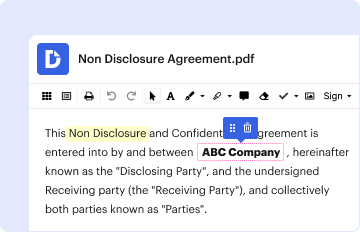
01. Edit your form online
Type text, add images, blackout confidential details, add comments, highlights and more.

Type text, add images, blackout confidential details, add comments, highlights and more.
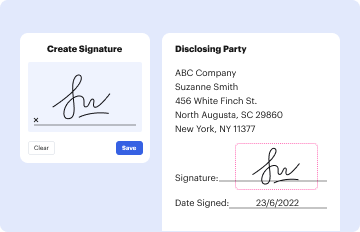
Draw your signature, type it, upload its image, or use your mobile device as a signature pad.

Send it via email, link, or fax. You can also download it, export it or print it out.
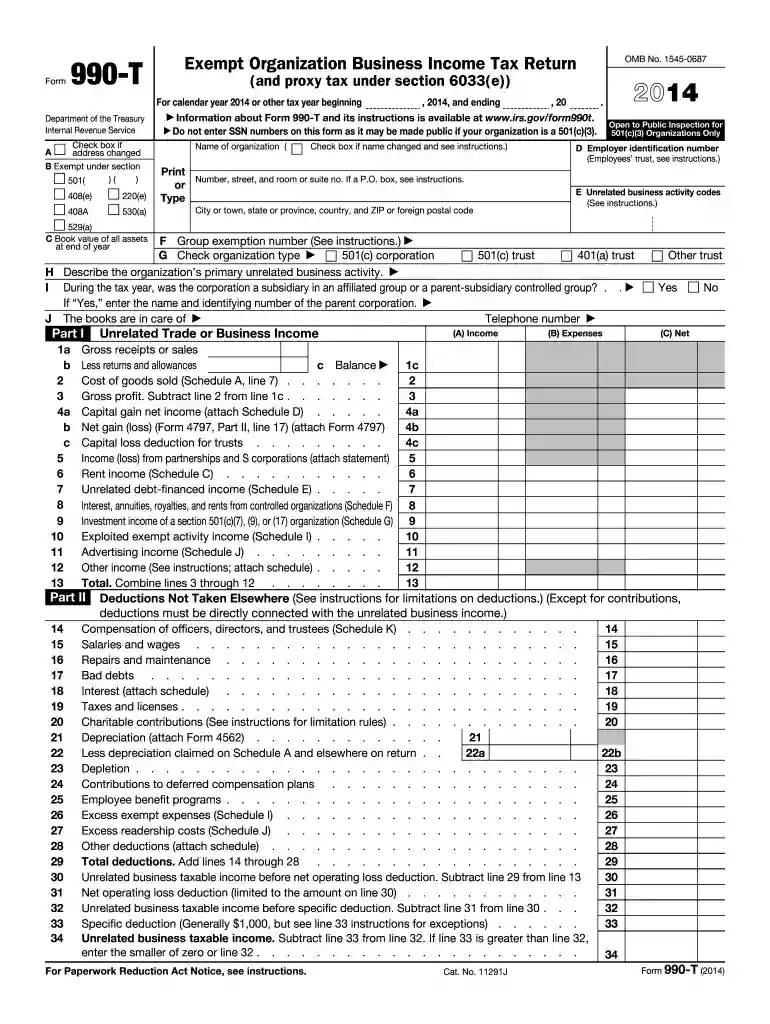
The 2014 Form 990-T, or the Exempt Organization Business Income Tax Return, is a federal tax form utilized by tax-exempt organizations to report unrelated business income and calculate proxy tax under section 6033(e) - i. These organizations must disclose income not directly related to their exempt purpose, ensuring transparency and compliance with U.S. tax laws. The form requires the disclosure of various financial activities, effectively documenting income, expenses, and taxes due on unrelated business income.
Unrelated business income refers to income derived from a trade or business activity that is not substantially related to the organization's tax-exempt purpose. This type of income is subject to federal income taxation to prevent nonprofit organizations from having competitive advantages over for-profit businesses.
Proxy tax under section 6033(e) - i focuses on specific tax obligations related to political activities. Organizations must report and pay taxes on lobbying expenditures and political campaign intervention, as outlined by the IRS guidelines.
To obtain the 2014 Form 990-T, organizations can access it directly from the IRS website. It is available for download as a PDF document, making it accessible for electronic completion or printing and manual completion if preferred. Tax professionals and organizations can also use tax preparation software compatible with IRS forms to obtain and fill out the form electronically.
Several tax preparation software packages, such as TurboTax and QuickBooks, support the 2014 Form 990-T. These software programs offer the advantages of automated data entry, error checking, and electronic filing, streamlining the process and reducing the likelihood of errors.
Completing the 2014 Form 990-T involves detailed steps to ensure accurate reporting:
Organizations often face challenges in distinguishing between related and unrelated business income and accurately reporting lobbying expenditures. Consulting a tax professional can assist in navigating these complexities.
The 2014 Form 990-T is due by the 15th day of the 5th month after the fiscal year ends. Organizations following the calendar year must file by May 15 of the following year.
Failure to file the 2014 Form 990-T or submitting it with inaccuracies can lead to significant penalties. The IRS imposes fines based on the size of the organization and the duration of non-compliance, emphasizing the importance of accurate and timely filing to avoid financial repercussions.
To mitigate penalties, organizations should maintain precise financial records, regularly review IRS updates for changes in reporting requirements, and consider engaging tax professionals for preparation and review of the form.
Understanding key terms is vital for accurate form preparation:
Several practical scenarios illustrate the application of Form 990-T:
We've got more versions of the 2014 Form 990-T Exempt Organization Business Income Tax Return and proxy tax under section 6033e - i form. Select the right 2014 Form 990-T Exempt Organization Business Income Tax Return and proxy tax under section 6033e - i version from the list and start editing it straight away!
| Versions | Form popularity | Fillable & printable |
|---|---|---|
| 2025 | 4.5 Satisfied (31 Votes) | |
| 2024 | 4.6 Satisfied (48 Votes) | |
| 2023 | 4.2 Satisfied (34 Votes) | |
| 2022 | 4.9 Satisfied (53 Votes) | |
| 2021 | 4.8 Satisfied (136 Votes) | |
| 2020 | 4.3 Satisfied (84 Votes) | |
| 2019 | 4.4 Satisfied (79 Votes) | |
| 2018 | 4.3 Satisfied (146 Votes) | |
| 2017 | 4.3 Satisfied (127 Votes) | |
| 2014 | 4.3 Satisfied (71 Votes) |
At DocHub, your data security is our priority. We follow HIPAA, SOC2, GDPR, and other standards, so you can work on your documents with confidence.
Mar 30, 2026 Exempt organizations use Form 990-T to: Report unrelated business income. Figure and report unrelated business income tax liability.Read more
Information about Form 990-T and its instructions is available ・ a 501(c)(3). Unrelated business taxable income. proxy tax under section 6033(e)) Part I


