Veterinary Clinical Record keeping Guidelines 2025

Get Form
Veterinary Clinical Record keeping Guidelines Preview on Page 1

Here's how it works

01. Edit your form online
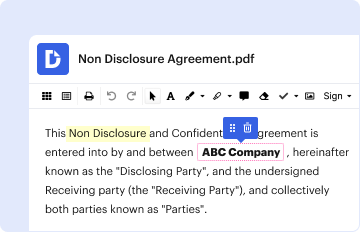
Type text, add images, blackout confidential details, add comments, highlights and more.
02. Sign it in a few clicks
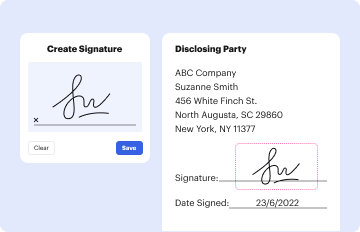
Draw your signature, type it, upload its image, or use your mobile device as a signature pad.
03. Share your form with others
Send it via email, link, or fax. You can also download it, export it or print it out.

How to use or fill out Veterinary Clinical Record keeping Guidelines with our platform

Form edit decoration
9.5
Ease of Setup
DocHub User Ratings on G2
9.0
Ease of Use
DocHub User Ratings on G2
  1. Click 'Get Form' to open the Veterinary Clinical Record keeping Guidelines in the editor.
  2. Begin by entering the details of the veterinary clinic or hospital at the top of the form. This includes the name, address, and contact information.
  3. Proceed to fill in the registration details. Ensure you provide accurate information regarding the managing veterinary surgeon, including their qualifications and registration number.
  4. In the clinical record section, document any scheduled drugs prescribed or supplied. Include details such as animal identification, dosage, and administration instructions.
  5. Review all entries for accuracy before saving your changes. Utilize our platform's features to highlight any important notes or reminders related to patient care.

Start using our platform today for free to streamline your veterinary record keeping!

be ready to get more

Complete this form in 5 minutes or less

Get form

Got questions?

We have answers to the most popular questions from our customers. If you can't find an answer to your question, please contact us.
Contact us
Typically, states require veterinarians to keep records for three to five years after the most recent patient examination or treatment.
(1)Name and address of client and animal. (2)Age, sex, breed, species and color of animal. (3)History or pertinent information as it pertains to each animals medial status. (4)Data, including that obtained by instrumentation, from physical examination.
The information within veterinary medical records is confidential. It must not be released except as required or allowed by law, or by client consent. A veterinarian is obligated to provide copies or summaries of medical records when requested by the client.
Most common violations Some of the other issues we have encountered are the records are not legible; they do not include all treatment provided to the patient, medications/prescriptions and the dosages, or who is responsible for the care provided.
Animal Health Records Identity of the animal. Descriptions of any illness, injury, distress and/or behavioral abnormalities and the resolution of any noted problem. Dates, details and results of all medically related observations, examinations, tests and other such procedures.
be ready to get more

Complete this form in 5 minutes or less

Get form

People also ask

Previous vet records are not required but always appreciated. Owners often misremember or forget details of their animals previous care, so having an objective record is optimal.
Mortality Record Sheet Date euthanized. Barn/Site. Cause of death. Type of humane euthanasia used. Check of death and insensibility. Person completing euthanasia.
Your pets medical record is a confidential and legal record that systematically details their entire health history, just like your personal medical record. Its used to provide information, including the assessment, diagnosis, and treatment resulting from all of your pets veterinary visits.

Related links