
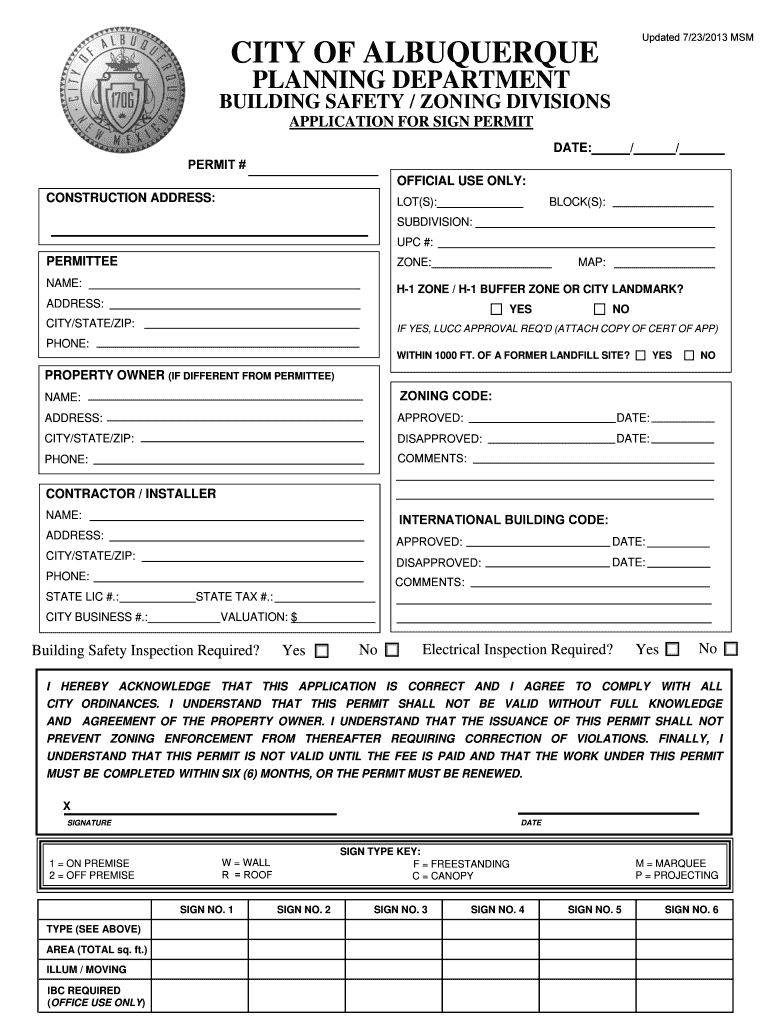







Definition & Meaning
The "Building Safety Zoning Divisions" refer to the sections or areas within a structure or property that are delineated to ensure safety and compliance with local zoning regulations. These divisions are critical in maintaining community safety standards by managing land use and ensuring that buildings meet specific criteria for safety, environmental impact, and community planning. Understanding these divisions is essential for builders, developers, and property owners to ensure their projects align with municipal codes and zoning guidelines.
Importance in Urban Planning
- Zoning divisions help organize cities into zones for residential, commercial, industrial, and environmental use.
- They prevent conflicts between incompatible land uses, such as industrial facilities next to residential areas.
- These divisions contribute to controlled urban expansion and environmental conservation.
Impact on Property Development
- Developers must adhere to building safety zoning divisions to receive necessary permits.
- Non-compliance can result in legal issues, fines, or project delays.
- They affect property values by ensuring consistent and safe neighborhood developments.
Steps to Complete the BUILDING SAFETY ZONING DIVISIONS
Initial Research and Data Collection
- Gather Relevant Zoning Maps: Obtain the most recent zoning maps from the city planning department to understand the specific divisions applicable to your property.
- Review Local Zoning Ordinances: Familiarize yourself with local laws and guidelines that dictate building safety and zoning requirements.
Application and Documentation
- Prepare Necessary Documentation: Compile documents such as site plans, environmental impact reports, and existing permits required for submission.
- Complete the Application Form: Carefully fill out the building safety zoning divisions form, ensuring all details are accurate and complete.
Submission and Follow-Up
- Submit the Application: Send your completed form and related documents to the appropriate city or municipal department via the preferred submission method (online, in-person, or mail).
- Track Application Status: Follow up with the relevant authorities to monitor the progress of your application and address any queries promptly.
Key Elements of the BUILDING SAFETY ZONING DIVISIONS
- Zoning Category Identification: Define the specific zoning category for the property, such as residential, commercial, or industrial. This classification dictates what type of structures can be built and their intended use.
- Safety Compliance Measures: Outline the safety standards that buildings must meet, including fire safety, structural integrity, and environmental protection measures.
- Setback and Height Restrictions: Include information about how far buildings need to be set back from property lines and any height limitations to preserve the aesthetic and functional integrity of the area.
Who Typically Uses the BUILDING SAFETY ZONING DIVISIONS


Developers and Builders
- Use the zoning divisions to ensure compliance with legal standards and secure necessary building permits.
- Refer to the divisions throughout project planning and execution to prevent costly adjustments later.
Urban Planners and Architects
- Employ zoning divisions for designing sustainable and compliant urban spaces.
- Collaborate with government officials to align proposed projects with city planning objectives.
Property Owners and Investors
- Use zoning information to make informed decisions about property improvements or purchases.
- Evaluate if changes are permissible or if variances are needed, impacting investment viability.
How to Obtain the BUILDING SAFETY ZONING DIVISIONS
Requesting From Local Government
- Visit the Planning Department: Obtain zoning maps and regulations from the local government’s planning or zoning department.
- Online Resources: Many municipalities offer online access to zoning information and applications through their official websites.
Engaging Professional Services
- Consult with Zoning Consultants: Hire professionals to navigate the complex zoning requirements and ensure adherence to local regulations.
- Legal Assistance: Attorneys specializing in real estate can provide guidance on zoning laws and help obtain necessary approvals.
Legal Use of the BUILDING SAFETY ZONING DIVISIONS
- Compliance with Local Laws: Buildings must meet all specified zoning requirements to avoid legal repercussions such as fines, stop-work orders, or mandatory alterations.
- Use Permits: Certain property uses may require special permits or conditional use permits, which must be obtained following zoning regulations.
- Rezoning Applications: If current zoning doesn’t suit a proposed project, apply for rezoning through legal channels, demonstrating the benefit to the community.
State-Specific Rules for the BUILDING SAFETY ZONING DIVISIONS
Variation Across States
- Each state may have unique zoning laws and safety standards, affecting how zoning divisions are implemented.
- Certain states may prioritize environmental conservation more heavily, impacting development in sensitive areas.
Local Adaptations
- Municipalities within states can have different zoning requirements based on regional planning objectives.
- Understanding both state and local rules is crucial for compliance and successful project approval.
Examples of Using the BUILDING SAFETY ZONING DIVISIONS
Residential Development
- Ensuring that new housing projects comply with residential zoning requirements to avoid illegal constructions.
- Managing community expectations by aligning homes with local aesthetic and safety standards.
Commercial Projects
- Utilizing zoning divisions to aid in the selection of locations for retail or office spaces based on business needs and consumer access.
- Ensuring compliance with regulations for lighting, parking, and signage to maintain community standards and support local commerce.
Analyzing and understanding these various aspects of building safety zoning divisions play a pivotal role in successful property development, legal compliance, and urban planning efforts across the United States.




