
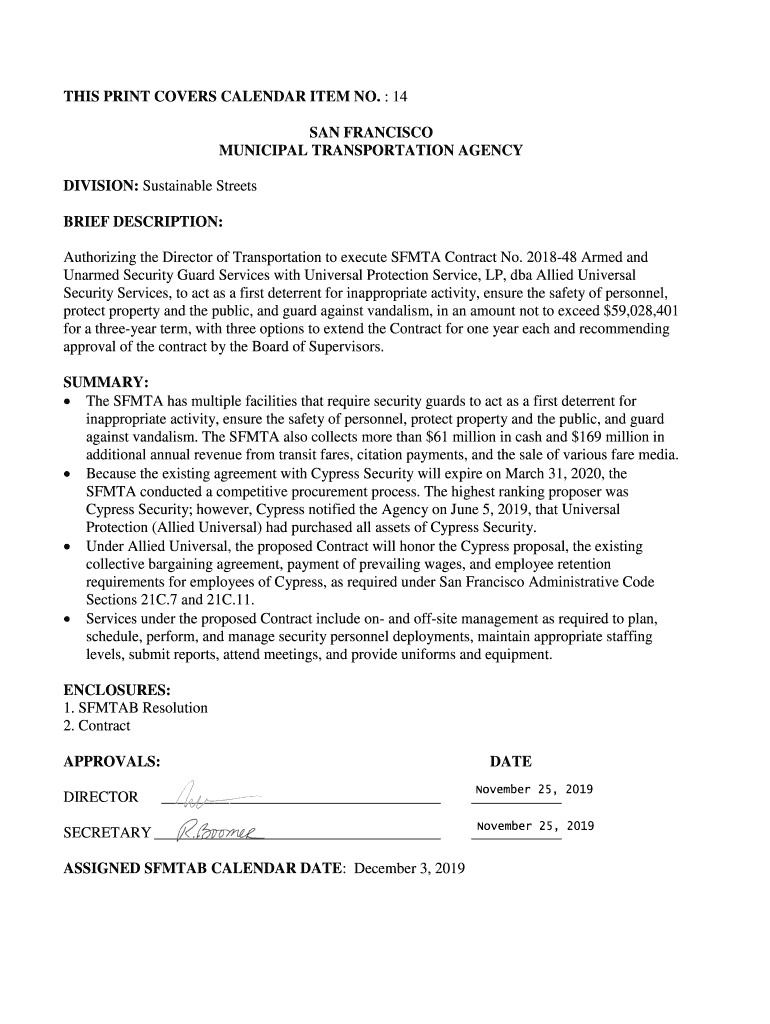







Definition & Meaning
The Professional Services Agreement (9-19) is a legally binding contract designed to outline the terms and conditions under which professional services are rendered. Typically used within business transactions, this document ensures that both parties—service providers and clients—have a mutual understanding of their duties and expectations. The agreement often includes clauses related to payment terms, scope of work, confidentiality, and dispute resolution. By establishing clear guidelines, the Professional Services Agreement (9-19) aims to prevent misunderstandings and protect the interests of both parties involved.
Key Elements
- Scope of Work: Clearly outlines the services to be performed, including any deliverables and timelines.
- Payment Terms: Specifies the fee structure, payment schedule, and any applicable penalties for late payments.
- Confidentiality: Details obligations regarding the protection of sensitive information shared during the contract term.
- Dispute Resolution: Provides mechanisms for resolving conflicts, such as mediation or arbitration, to avoid court litigation.
Steps to Complete the Professional Services Agreement (9-19)
Completing a Professional Services Agreement (9-19) involves several structured steps to ensure accuracy and compliance. Here's a detailed guide:
- Identify the Parties Involved: Clearly state the names and addresses of both the service provider and the client.
- Define the Services: Detail the specific services to be provided, along with expected deliverables and milestones.
- Set the Payment Terms: Agree on the total compensation, payment schedule, and any additional expenses covered under the agreement.
- Establish Confidentiality Obligations: Include clauses that protect sensitive business information from unauthorized disclosure.
- Outline the Dispute Resolution Process: Specify preferred methods for resolving any potential disagreements, such as arbitration.
- Review and Sign: Both parties should read through the agreement carefully before signing, ensuring mutual consent and understanding.
Important Terms Related to Professional Services Agreement (9-19)
Understanding the terminology used within the Professional Services Agreement (9-19) is crucial for effective implementation:
- Client: The party receiving the services.
- Provider: The party offering and performing the services.
- Deliverables: The tangible or intangible products that result from the completion of the service.
- Intellectual Property: Refers to creations of the mind related to the delivered service, such as designs, trademarks, or software.
- Indemnification: A clause ensuring one party compensates the other for certain damages or losses.
Legal Use of the Professional Services Agreement (9-19)
The Professional Services Agreement (9-19) serves as a vital legal tool in formalizing business relationships and safeguarding against potential disputes. Its legal use involves:
- Contractual Obligations: Legally binding both parties to fulfill their specified duties.
- Protection of Rights: Providing a framework to protect intellectual property and confidentiality.
- Guidance on Legal Recourse: Offering a pre-determined path for dealing with breaches or disagreements through stipulated clauses.
Who Typically Uses the Professional Services Agreement (9-19)
Professionals across various industries frequently utilize the Professional Services Agreement (9-19). Common users include:
- Consultants: Individuals or firms providing expert advice or services to organizations.
- Freelancers: Independent contractors delivering specific project-based work for clients.
- Agencies: Businesses offering specialized services such as marketing, design, or IT solutions.
- Corporations: Large companies engaging external service providers for specialized tasks.


State-Specific Rules for the Professional Services Agreement (9-19)
While the Professional Services Agreement (9-19) can be used nationwide, certain state-specific rules might alter its standard provisions:
- Prevailing Wage Laws: Some states require service agreements to comply with local wage laws affecting compensation structures.
- Licensing Requirements: Certain services may necessitate additional licenses or certifications based on state regulations.
- Non-Compete Clauses: States differ in their enforcement of non-compete clauses within service agreements.
Examples by State
- California: Has stringent regulations limiting non-compete agreements and emphasizing equity in employment contracts.
- New York: Permits broad confidentiality clauses but advises explicit definitions of terms like "trade secrets."
Examples of Using the Professional Services Agreement (9-19)
The application of the Professional Services Agreement (9-19) can be seen in various scenarios:
- IT Services: A software development firm uses the agreement to outline its coding and maintenance services for a client.
- Marketing Agency: A marketing firm drafts the agreement to specify its advertising strategies and timelines for campaign executions.
- Legal Consultants: Law professionals engage the contract to formalize advisory services regarding compliance and regulatory matters.
Software Compatibility
The Professional Services Agreement (9-19) can be seamlessly integrated with software platforms, enhancing efficiency when drafting and managing contracts:
- DocHub: Perfect for editing and signing documents online, offering features like text insertion, image placement, and annotation tools.
- QuickBooks: Utilized by businesses for financial tracking, compatible with digitized agreements for clearer record-keeping.
- TurboTax: Ideal for contractors needing linkage between service agreements and tax documentation, ensuring seamless financial management.
By leveraging such software, managing the Professional Services Agreement (9-19) becomes a streamlined, secure process that aligns with modern digital workflows.




