





Definition and Meaning
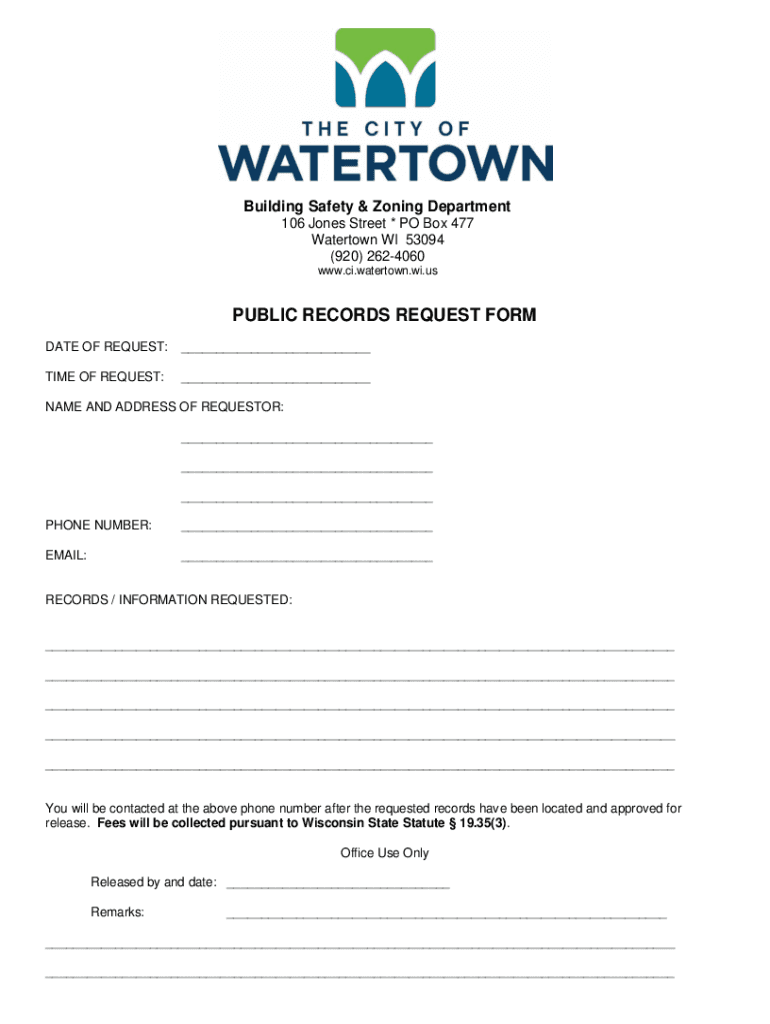
The term "List of Industrial Waste Landfills and Construction and" likely refers to a document or form used to catalogue sites designated for industrial waste disposal as well as information related to construction waste. This list serves as a critical resource for regulatory bodies, construction firms, and companies involved in waste management, providing insight into where waste is stored, managed, and disposed of. It may include details such as the location of landfills, the types of waste accepted, operational procedures, and compliance requirements. This type of document is essential for fulfilling environmental regulations and ensuring safe waste management practices.
How to Use the List of Industrial Waste Landfills and Construction and
Users can utilize this list to plan and execute waste management strategies effectively. For construction companies, the list helps identify appropriate landfills for disposing of various types of construction debris. Environmental agency officials might use the list to monitor compliance with legislative requirements, ensuring that landfills adhere to safety standards and legal frameworks. It can also aid businesses in minimizing their environmental footprint by guiding them to facilities that recycle or properly treat construction waste. Furthermore, the data in this list can help identify trends in waste disposal, informing future policy-making and corporate strategy.
Practical Examples of Use
- Construction Planning: Companies can plan logistic pathways to nearby, legal disposal sites.
- Regulatory Compliance: Agencies may track landfill usage to ensure adherence to waste management laws.
- Sustainability Initiatives: Businesses employing green strategies can prioritize landfills with recycling capabilities.
How to Obtain the List of Industrial Waste Landfills and Construction and
This form or list is typically obtainable through governmental environmental agencies, like the Environmental Protection Agency (EPA) in the United States, which manages databases and public records on waste management. State environmental departments also provide access to this kind of information. Interested parties may visit agency websites to download the form directly or request it via email or phone call. Online portals might offer digital access, facilitating quicker retrieval and updated lists.
Steps to Complete the List of Industrial Waste Landfills and Construction and
To effectively complete this document:
- Identify the Purpose: Determine why the list is needed—regulatory compliance, construction planning, or a sustainability audit.
- Gather Data: Collect necessary information, such as landfill locations, types of accepted waste, and capacity statistics.
- Access the Form: Download or request it from the relevant environmental authority.
- Fill Out Required Fields: Complete fields with accurate data, focusing on relevant details like waste types and landfill operating hours.
- Submit the Form: Follow the specified methods for form submission, whether online, via mail, or in-person at an agency office.
Challenges and How to Overcome Them
- Data Accuracy: Regularly update landfill data to ensure the information remains correct. Use official sources to cross-check.
- Legal Compliance: Consult legal experts or environmental consultants for assistance with compliance requirements.
Importance of the List of Industrial Waste Landfills and Construction and
This document is indispensable for maintaining environmental integrity and public health. By cataloguing industrial and construction waste disposal sites, it ensures that all material is handled appropriately, mitigating risks associated with improper disposal such as soil and water contamination. It also plays a role in strategic planning for environmental sustainability among industries and governmental bodies.
Insights on Regulatory Importance
- Environmental Protection: By mapping disposal methods and facilities, it underpins efforts to protect natural resources.
- Public Safety: Ensures waste is contained safely, reducing exposure to hazardous materials for nearby communities.
Key Elements of the List of Industrial Waste Landfills and Construction and
Some of the critical components of this list include:
- Landfill Identification: Names and addresses of facilities.
- Waste Type Specification: Types of industrial and construction waste accepted.
- Operational Details: Hours of operation, contact information, and disposal methods.
Significance of Detailed Elements
Each element plays a pivotal role in maintaining transparent and efficient waste management networks, aiding in logistics planning, regulatory audits, and environmental impact assessments.
Legal Use of the List of Industrial Waste Landfills and Construction and
This document must be used in accordance with legal and ethical standards. It ensures that waste management practices comply with federal and state regulations, from the Resource Conservation and Recovery Act (RCRA) to specific state-level statutes. Violations can result in fines or other penalties.
Consequences of Non-Compliance
Non-compliance can lead to significant legal repercussions, including fines, closure of facilities, and reputational damage to businesses. It's critical to understand the legal framework surrounding waste management and use the list to align with all pertinent requirements.
Examples of Using the List of Industrial Waste Landfills and Construction and
Case Studies
- City Development Projects: Urban planners use these lists to identify safe disposal sites for demolition debris.
- Environmental Audits: Corporations conducting environmental audits reference these forms to ensure their waste management tactics align with current regulations.
By integrating this information into operational and regulatory plans, entities can optimize their waste management strategies, engaging in responsible and compliant practices.