



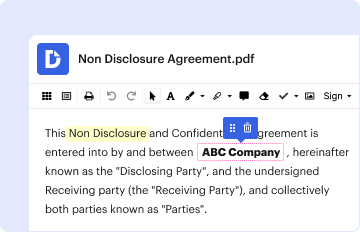
01. Edit your star school tax relief online
Type text, add images, blackout confidential details, add comments, highlights and more.

Type text, add images, blackout confidential details, add comments, highlights and more.
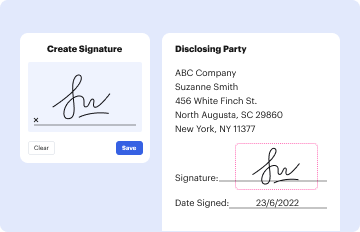
Draw your signature, type it, upload its image, or use your mobile device as a signature pad.

Send star school tax relief form via email, link, or fax. You can also download it, export it or print it out.
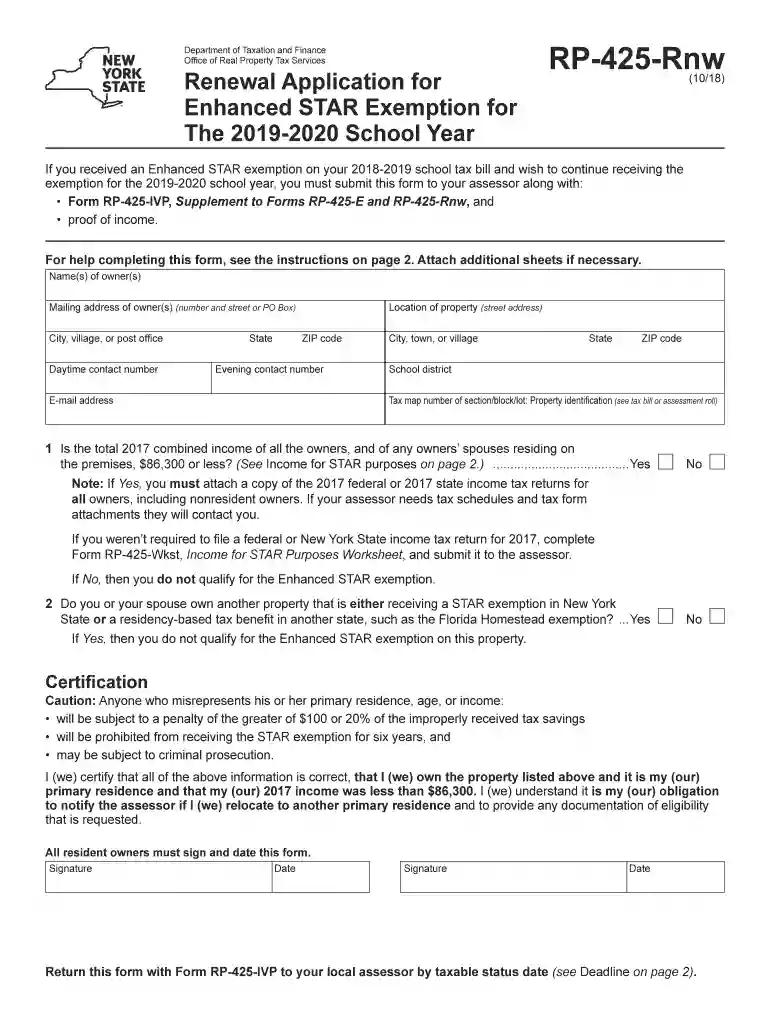
The STAR (School Tax Relief) exemption forms are utilized in New York to reduce school tax liabilities for eligible homeowners. This program helps decrease the taxable value of a home for school tax purposes, resulting in lower property taxes for qualifying individuals. There are two variations within the STAR program: the Basic STAR for homeowners under a certain income threshold and the Enhanced STAR specifically for senior citizens meeting additional criteria. Both forms require homeowners to demonstrate eligibility through income and residency documentation.
Eligibility for the STAR exemption depends on several factors, including income limits and property requirements. For Basic STAR, homeowners must own and occupy their property as their primary residence, with a combined household income not exceeding the state limit. Enhanced STAR requires homeowners to be at least 65 years old, meeting additional income criteria set annually. Income is verified through tax returns, while residency conditions ensure that only New York state residents benefit from the exemption.


Understanding the STAR exemption form involves familiarizing oneself with several key terms:
These terms are crucial when filling out the STAR forms to ensure accurate and complete submissions.
Homeowners can access the STAR exemption forms through the New York State Department of Taxation and Finance's website. Typically, the forms are available for download as PDFs, ensuring easy access and completion. Homeowners can also request paper forms by contacting their local tax assessor's office. It's important to stay updated with any changes in form accessibility or submission guidelines, as these can affect the application process.
Completing the STAR forms requires careful attention to detail:
Submitting the STAR exemption requires several critical documents:
Each document must be current and valid to ensure the application proceeds without delays.
Homeowners need to be aware of critical deadlines to ensure the timely submission of their STAR forms:
Understanding these deadlines ensures compliance with state guidelines and successful application submissions.
Failing to comply with STAR exemption form requirements can result in severe penalties:
Homeowners should prioritize timely and accurate submissions to avoid these potential issues.
We've got more versions of the star school tax relief form. Select the right star school tax relief version from the list and start editing it straight away!
At DocHub, your data security is our priority. We follow HIPAA, SOC2, GDPR, and other standards, so you can work on your documents with confidence.
To receive your exemption complete the following sections, sign, date and return this form to your local assessor by taxable status date. The assessor mayRead more
Jul 31, 2025 Application for School Tax Relief (STAR) Exemption. This form is discontinued. NYC-STAR, Instructions on form, Homeowner Tax Benefit ApplicationRead more


