







Definition and Purpose of Virginia Board of Supervisors Meeting
The Virginia Board of Supervisors meeting refers to the official gatherings where the elected board members of Virginia counties deliberate on government affairs and community issues. These meetings serve as a forum for discussing and deciding upon matters such as public works, budget allocations, ordinances, and development plans. The board is responsible for overseeing the implementation of county policies and ensuring that services meet the community's needs. Key aspects of these meetings include public participation, transparency in decision-making, and the approval or modification of local government plans.
Importance and Utility of the Meetings
The meetings play a crucial role in local governance by offering a structured platform for civic engagement. Citizens can attend these meetings to express their opinions, ask questions, and stay informed about local government initiatives. For residents and stakeholders, the meetings present a valuable opportunity to influence decisions on issues that directly affect their daily lives, such as infrastructure projects, land use, and community services.
Obtaining the Meeting Agenda and Details
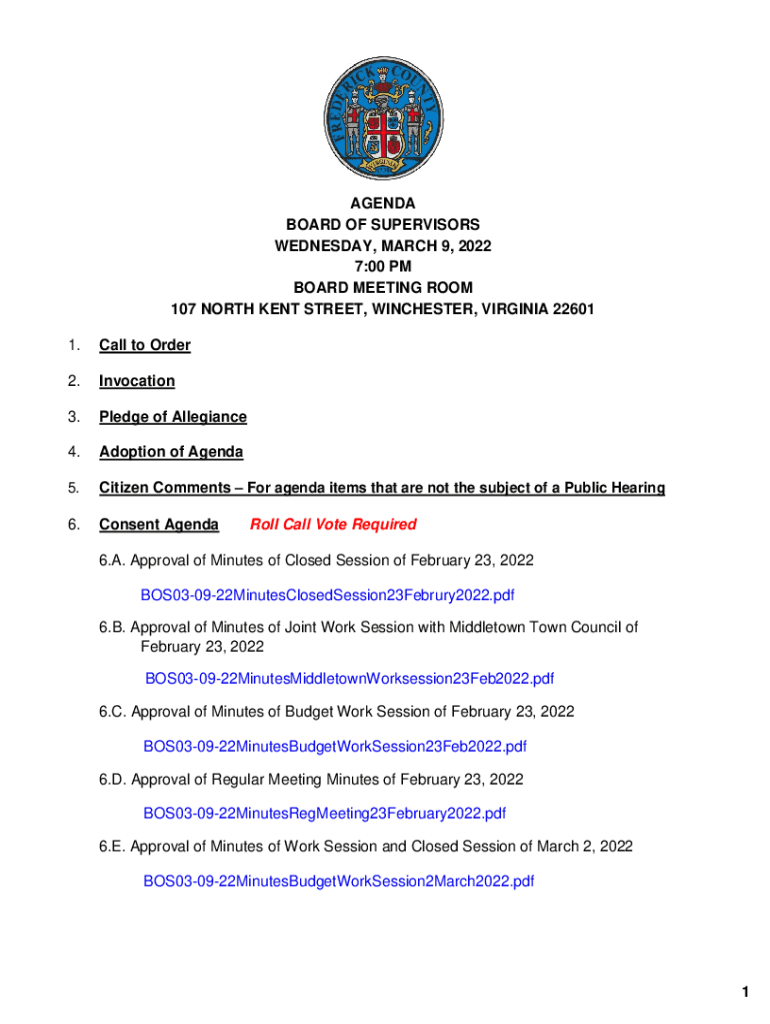
To participate effectively, attendees must know the meeting's agenda, date, and location. Agendas are typically available on the official county website a few days prior to the event and detail the topics to be discussed. Residents can subscribe to email notifications or publicly available newsletters to stay updated. In some cases, local newspapers also publish meeting notices and summaries, providing additional context and insights.
Format and Structure of the Meetings
These sessions generally adhere to a structured format designed to maximize efficiency and facilitate comprehensive discussions. The typical elements include:
- Call to Order: Initiated by the board chairman to commence the meeting.
- Citizen Comments: Allows residents to address the board on issues of general concern.
- Consent Agenda: Covers routine items requiring board approval but not discussion.
- Action Items: Where board members discuss and vote on major proposals or resolutions.
- Committee Reports: Updates from subcommittees on their work and progress.
- Adjournment: Officially concludes the meeting.
Steps to Complete and Participate in the Meetings
Participation involves several steps to ensure a smooth experience:
- Review the Agenda: familiarize yourself with topics to be discussed.
- Prepare Comments or Questions: Clearly outline any points you wish to address.
- Understand the Rules of Conduct: Familiarize yourself with the board’s protocol for speaking or submitting queries.
- Arrive on Time: Ensure adequate time for registration or any preliminary proceedings.
- Engagement: Respectfully contribute during the citizen comment period.
Legal Framework Governing the Meetings
Meetings operate within a legal framework set by the Virginia Freedom of Information Act (FOIA), mandating that public meetings are open and accessible. This legal structure ensures transparency, allows for public scrutiny, and guarantees citizen rights to access records and attend meetings. Any deviation or failure to adhere to these statutes could lead to legal challenges or sanctions against the board.
Key Elements Discussed During Meetings
The meetings cover a diverse range of topics pivotal to community interests, including:
- Capital Improvement Plans (CIP): Long-term strategies for infrastructure development.
- Budget Discussions: Allocation of financial resources across programs and initiatives.
- Public Work Projects: Plans for transportation, water services, and public facilities.
- Zoning Laws: Regulations affecting land use and neighborhood developments.
State-Specific Regulations and Variations
While meetings adhere to general guidelines applicable across Virginia, there can be county-specific rules governing procedural aspects or the public participation process. These local variations cater to unique county challenges or community preferences, ensuring the board meeting is responsive to local needs.
Use Examples and Real-World Scenarios
Examples of how board meetings impact community outcomes include decisions on new school construction, which directly influence local education infrastructure, or changes to transport services, affecting daily commutes. Moreover, board meetings enable community members to discuss environmental regulations or endorse economic development initiatives, showcasing the practical impact on community progress.
Submission and Public Access to Meeting Documentation
Documentation from the meetings, including minutes and resolution texts, are made available for public access post-session. Interested individuals can request copies through the county office or review them on the official website. This documentation provides a record of decisions made, ensuring accountability and enabling informed future participation.




