
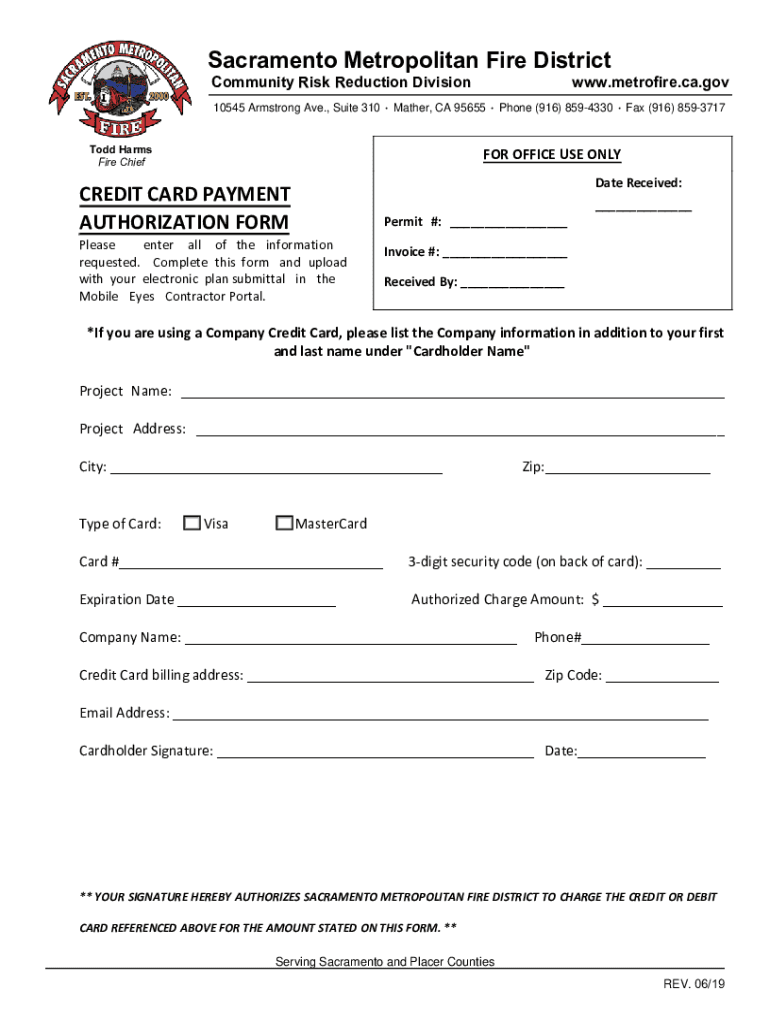







Definition & Meaning
The Community Risk Reduction Division in California is a sector within local government agencies that focuses on mitigating risks and enhancing community safety through proactive strategies. This division primarily deals with risk assessment, education, and regulatory compliance to prevent incidents such as fires, natural disasters, and other potential hazards. By addressing local safety concerns, it aims to create a safer living environment for residents and businesses in their jurisdiction.
The division often collaborates with various stakeholders including local fire departments, law enforcement agencies, and urban planners. Their activities might include developing policies, conducting community outreach programs, and implementing safety inspections. These efforts are crucial in reducing the impact of potential emergencies and ensuring public safety through continuous risk monitoring and management.
How to Use the Community Risk Reduction Division - California
Engaging with the Community Risk Reduction Division typically involves participating in their programs or reaching out for guidance on compliance with local safety regulations. Residents can benefit from educational workshops designed to raise awareness of risks and provide practical safety tips. Businesses should consult the division for advice on adhering to safety codes and meeting permit requirements for risk-prone activities.
Individuals and companies can use the division as a resource for obtaining necessary permits and certifications related to fire safety, building codes, or special events. Engaging with their consultation services can also aid in organizing community safety initiatives or accessing training materials aimed at enhancing local risk resilience.
Steps to Complete the Community Risk Reduction Division - California Form
Completing forms associated with the Community Risk Reduction Division in California involves a step-by-step process to ensure accuracy and compliance:
-
Gather Necessary Information: Collect all relevant details about your project or property, such as addresses and contact information.
-
Select Appropriate Form: Identify the specific form you require, such as permits for construction, fire safety compliance, or event licensing.
-
Fill Out the Form: Provide detailed responses to each section, ensuring all mandatory fields are completed. Include any supporting documents as specified.
-
Review and Verify: Double-check all entries for accuracy. Ensure that the provided information aligns with local compliance requirements.
-
Submit the Form: Follow the submission instructions, which may include online portals, mailing options, or in-person delivery.
-
Monitor the Status: Once submitted, track your form’s progress through customer service or online updates to ensure timely processing.
Key Elements of the Community Risk Reduction Division - California Form
Understanding the critical components of this form is important for proper completion. Key elements typically include:
- Applicant Information: Personal or business details necessary for identification and communication.
- Project Scope: A detailed description of the purpose, including any planned construction, events, or community activities.
- Compliance Agreement: Confirmation that the applicant will adhere to all relevant safety codes and local regulations.
- Required Signatures: Authorization by relevant parties, ensuring accountability and consent for the stated activities.
- Supplementary Documents: Any additional paperwork needed, such as maps, blueprints, or proof of previous inspections.
Ensuring all these components are accurately addressed minimizes delays and ensures your application meets division standards.
Required Documents
To process forms successfully, you will need to present several supporting documents, which could include but are not limited to:
- Proof of Identity: Valid photo identification for all involved parties.
- Site Plans and Blueprints: Detailed layouts for construction, renovations, or events.
- Insurance Certificates: Evidence of liability coverage where applicable.
- Previous Inspection Reports: Results from past inspections demonstrating compliance with safety standards.
- Payable Fees: Payment documentation for any applicable processing or permit charges.
Providing these documents helps the division to effectively evaluate your application and expedites the approval process.
Important Terms Related to Community Risk Reduction Division - California
Familiarity with specific terminology is crucial for navigating interactions with the Community Risk Reduction Division. Essential terms include:
- Risk Assessment: The process of identifying potential hazards and evaluating their impact on the community.
- Permit: An official authorization required for carrying out certain activities, ensuring they meet safety standards.
- Code Compliance: Adherence to set regulations and guidelines designed to maintain safety and order.
- Inspection: A formal review conducted to verify compliance with health, safety, and environmental regulations.
- Emergency Preparedness: Strategies and plans implemented to prepare for potential emergency situations.
Understanding these terms enables more effective communication and helps in fulfilling division requirements accurately.
Form Submission Methods (Online, Mail, In-Person)
Various submission methods are available for the Community Risk Reduction Division forms, each having its own processes:
- Online Submission: Most efficient option, typically through the division’s official portal. Allows for easier tracking and quicker feedback.
- Mail: Suitable for those who prefer to maintain physical copies. Involves mailing the completed form along with supporting documents to the division’s address.
- In-Person: Provides the opportunity for direct consultation. Ideal for addressing application-specific questions or immediate clarifications.
Choosing the right submission method depends on individual preferences, urgency, and the division’s specific requirements.
Legal Use of the Community Risk Reduction Division - California
Engaging legally with the Community Risk Reduction Division ensures compliance with federal, state, and local regulations. Legal use encompasses:
- Acquiring Necessary Permits: Ensuring all required authorizations are obtained for projects involving potential risks.
- Adhering to Safety Standards: Following prescribed guidelines for fire safety, construction, and event planning.
- Attending Education Programs: Participating in division-organized workshops to stay informed on best practices and regulatory updates.
- Maintaining Document Templates: Using approved forms and templates to streamline application processes in line with legal standards.
Operating within these legal frameworks supports safer communities and minimizes undue risks to public welfare.




