PA Chapter, American Academy of Pediatrics Updated July 2026

Get Form
PA Chapter, American Academy of Pediatrics Updated July Preview on Page 1

Here's how it works

01. Edit your form online
Type text, add images, blackout confidential details, add comments, highlights and more.

02. Sign it in a few clicks
Draw your signature, type it, upload its image, or use your mobile device as a signature pad.

03. Share your form with others
Send it via email, link, or fax. You can also download it, export it or print it out.

Definition and Meaning

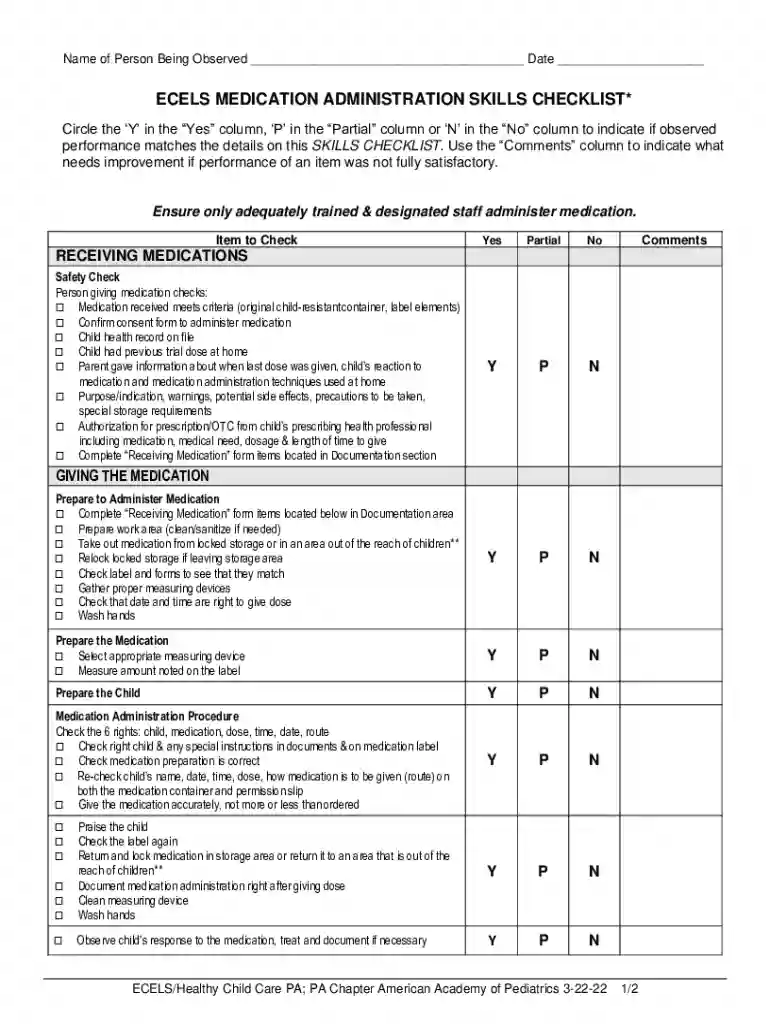
The "PA Chapter, American Academy of Pediatrics Updated July" refers to a document frequently used within the Pennsylvania Chapter of the American Academy of Pediatrics. This updated form may contain information pertinent to pediatric practices, regulations, or healthcare guidelines that have undergone changes as of July. It serves as an authoritative resource for pediatricians and healthcare professionals, ensuring they adhere to the latest standards and protocols within the state.

Purpose and Utilization

The primary purpose of this form is to provide pediatricians with the latest updates and protocols relevant to their practice. It ensures that all pediatric care providers working within Pennsylvania are aligned with the most current standards adopted by the American Academy of Pediatrics. This synchronization helps in maintaining a consistent quality of pediatric care, addressing any new healthcare challenges, and leveraging advancements in medical practices.

Steps to Complete the PA Chapter, American Academy of Pediatrics Updated July

  1. Obtain the Form: The first step is to acquire the form. It can typically be downloaded from the official website of the Pennsylvania Chapter of the American Academy of Pediatrics or requested through their office.

  2. Review Instructions Thoroughly: Each section of the form may contain specific instructions. Ensure you understand these guidelines to fill out the form accurately.

  3. Provide Required Information: Accurately complete sections asking for your credentials, practice information, and any other necessary details.

  4. Sign and Date the Form: If a signature is required, ensure that it is executed properly and that the date reflects the time of completion.

  5. Submit the Form: Once completed, submit the form as directed — typically via email, fax, or online submission through the association's portal.

Detailed Guidance and Potential Pitfalls

  • Before submitting, double-check all entries for completeness and accuracy. Incomplete submissions can lead to processing delays.
  • Pay attention to any legal or compliance requirements detailed in the form, ensuring you're in full compliance with both state and federal pediatric healthcare standards.

Key Elements of the PA Chapter, American Academy of Pediatrics Updated July

  • Updated Guidelines: Includes sections detailing changes in practice protocols, vaccination schedules, or treatment methodologies.
  • Compliance Checks: Provides a checklist to ensure that all necessary standards are being met.
  • Additional Training Requirements: Highlights areas where additional training or certifications may be required post-July updates.
  • Resource Listings: Offers links or contact information for further resources or support from the PA Chapter.

State-Specific Rules for Pennsylvania

Due to Pennsylvania's unique healthcare regulations, this form may include state-specific guidelines that practitioners must follow. These could involve particular reporting requirements, mandatory health checks for school-aged children, and Pennsylvania-sponsored pediatric health programs. Practitioners should pay special attention to these sections to ensure compliance with state mandates.

Who Typically Uses the PA Chapter, American Academy of Pediatrics Updated July

This form is primarily used by pediatricians practicing within the state of Pennsylvania. Other healthcare professionals who might utilize this form include nurse practitioners, physician assistants working in pediatrics, and healthcare administrators responsible for compliance within pediatric practices. It can also be used by medical educators involved in training pediatric healthcare staff.


decoration image ratings of Dochub

Important Terms Related to the Form

  • AAP Standards: Refers to the latest clinical guidelines and policies published by the American Academy of Pediatrics.
  • Pediatric Compliance: Ensures adherence to legal and health standards set forth in pediatric healthcare delivery.
  • State Mandates: Regulations specific to Pennsylvania that must be integrated into pediatric practice.

Legal Use of the PA Chapter, American Academy of Pediatrics Updated July

The form serves as a legal document ensuring that the latest pediatric practice guidelines are being followed as per state and AAP standards. Compliance with this document protects practitioners from legal disputes arising from outdated practices. It also assists in safeguarding the health of pediatric patients through adherence to recognized best practices.

Potential Legal Implications

  • Practitioners using outdated protocols can be held liable for not meeting the required standard of care.
  • Legal audits or state inspections might require proof of adherence to the most recent updates outlined in this form.

Document Submission Methods

This form can typically be submitted either through online portals specific to the PA Chapter of the American Academy of Pediatrics or through traditional methods such as mail or in-person drop-offs at designated offices. The available methods ensure that practitioners can choose the most convenient and efficient way of submitting their documentation, maintaining compliance with updated guidelines.

Digital Versus Paper Submission

  • Digital Submission: Offers quicker processing times and immediate confirmation of receipt.
  • Paper Submission: Ensures a hard copy backup if required for record-keeping or legal purposes. However, it may involve longer processing times.

See more PA Chapter, American Academy of Pediatrics Updated July versions

We've got more versions of the PA Chapter, American Academy of Pediatrics Updated July form. Select the right PA Chapter, American Academy of Pediatrics Updated July version from the list and start editing it straight away!
Versions Form popularity Fillable & printable
2022 4.8 Satisfied (52 Votes)
2012 4 Satisfied (36 Votes)
be ready to get more

Complete this form in 5 minutes or less

Get form

Got questions?

We have answers to the most popular questions from our customers. If you can't find an answer to your question, please contact us.
Contact us
0:45 1:41 Real our sources for this one the American Academy of Pediatrics. And the Internet Archive WaybackMoreReal our sources for this one the American Academy of Pediatrics. And the Internet Archive Wayback Machine an AAP spokesperson verified yes it received $150,000 from Fizer in 2017. That was for a
The American College of Pediatricians (ACPeds) is a socially conservative religious advocacy group of pediatricians and other healthcare professionals in the United States, founded in 2002.
Why is it necessary for pediatricians to prescribe play? The AAP and others note that there are several modern threats to playtime, including these: A misguided belief that certain toys enhance play. Parents may de-emphasize play if they cant afford expensive toys that are marketed as superior for learning.
``Good evidence suggests that screen viewing before age 18 months has lasting negative effects on childrens language development, reading skills, and short term memory. It also contributes to problems with sleep and attention.
Play builds the brain and the body. Play has been shown to support brain structure and functioning, facilitating synapse connection and improving brain plasticity. Play is also critical to safe, stable, and nurturing relationships, supporting developmental milestones, and mental health.

Security and compliance

At DocHub, your data security is our priority. We follow HIPAA, SOC2, GDPR, and other standards, so you can work on your documents with confidence.

Learn more
ccpa2
pci-dss
gdpr-compliance
hipaa
soc-compliance

People also ask

AAP Recommendations The AAP recommends that all children be screened for ASD at ages 18 and 24 months, along with regular developmental surveillance.
The American Academy of Pediatrics (AAP) is the largest professional association of pediatricians in the United States. It is headquartered in Itasca, Illinois, and maintains an office in Washington, D.C. The AAP has published hundreds of policy statements, ranging from advocacy issues to practice recommendations.
For children 2-5, limit non-educational screen time to about 1 hour per weekday and 3 hours on the weekend days. For ages 6 and older, encourage healthy habits and limit activities that include screens. Turn off all screens during family meals and outings. Learn about and use parental controls.

Related links