



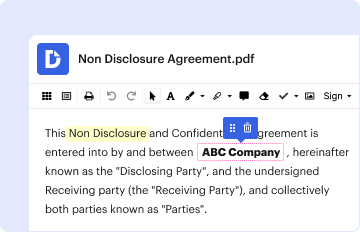
01. Edit your application for search of wills notice online
Type text, add images, blackout confidential details, add comments, highlights and more.

Type text, add images, blackout confidential details, add comments, highlights and more.
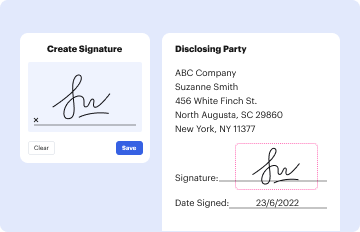
Draw your signature, type it, upload its image, or use your mobile device as a signature pad.

Send it via email, link, or fax. You can also download it, export it or print it out.
The "application for search of wills notice" refers to a formal process used to request information regarding the existence or contents of a deceased person's will. This application is typically necessary for individuals or legal representatives to access wills filed in certain jurisdictions, such as British Columbia. The purpose is to ensure that executors, beneficiaries, or interested parties are aware of the will's existence and its terms.
To utilize the application effectively, you must first understand the proper procedure for completion and submission. The form generally requires detailed information about the deceased and the applicant. This includes the full name of the deceased, date of death, and other identifying details. For the applicant, personal details, relationship to the deceased, and the purpose of the search must be clearly stated.
To ensure accuracy and compliance, follow these step-by-step instructions:
Understanding eligibility is crucial to avoid unnecessary applications. Generally, the applicant should either be closely related to the deceased or have a legitimate interest in the estate. Legal representatives, such as solicitors, are also eligible to apply on behalf of their clients.


Certain terms are integral to understanding and completing the application:
In addition to the completed application, additional documents may be needed:
Applicants can typically choose from multiple submission methods, each with its own requirements:
Each section of the application is designed to capture essential information:
Understanding each of these blocks helps ensure the application is thorough and compliant, which facilitates the will search process.
We've got more versions of the application for search of wills notice form. Select the right application for search of wills notice version from the list and start editing it straight away!
At DocHub, your data security is our priority. We follow HIPAA, SOC2, GDPR, and other standards, so you can work on your documents with confidence.
Official website of the Maryland Register of Wills. Access estate search, probate forms, office locations, online payments, and guidance. Search for Estates or
Evidence of a diligent search could be established through use of primary sources (records of county clerks, assessors, treasurers, registers of deeds,.Read more
These FAQs generally apply to transactions involving digital assets completed before Jan. 1, 2025. virtual currency as a capital asset.


