




01. Edit your pal replacement card online online
Type text, add images, blackout confidential details, add comments, highlights and more.

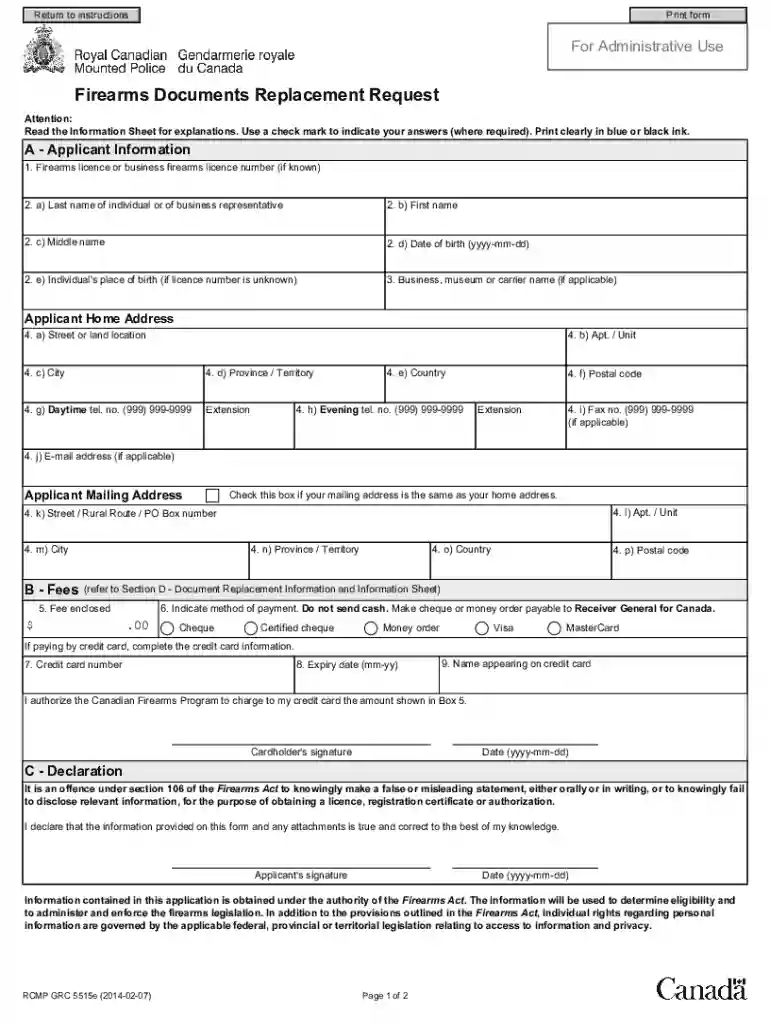
Type text, add images, blackout confidential details, add comments, highlights and more.

Draw your signature, type it, upload its image, or use your mobile device as a signature pad.

Send lost pal card via email, link, or fax. You can also download it, export it or print it out.
A Possession and Acquisition License (PAL) card enables individuals to legally possess and acquire firearms in Canada. The PAL is regulated under the Firearms Act and requires applicants to pass a safety course and screening process. It is crucial for anyone looking to own or acquire firearms, ensuring that the individual is knowledgeable about safety and legislation. The PAL card is key for both new gun owners and experienced enthusiasts, as it qualifies individuals for firearm ownership and informs them of their responsibilities.
Obtaining a replacement PAL card can be straightforward, provided you follow the correct steps. If you have lost your PAL card, it's essential to act promptly to avoid any legal issues related to firearm possession.
By following these organized steps, you will streamline the replacement process.
Understanding key terms related to the PAL card will provide clarity throughout the application process.
Grasping the significance of these terms enhances comprehension and ensures compliance with the legal requirements of firearm ownership.
A PAL card grants legal permissions but comes with responsibilities. The following points highlight how to properly utilize your PAL legally:
Understanding the legal framework supporting your PAL rights safeguards both personal and public safety.
When dealing with lost PAL cards, several scenarios can arise, illustrating the importance of responsible handling:
These examples underscore the importance of promptly addressing any loss related to your PAL, ensuring that your firearm ownership remains compliant with Canadian laws.
The application process and approval timeline for a replacement PAL card can vary based on several factors. In general, here’s what to expect:
Planning ahead for possible delays ensures that you are not caught unprepared if you need your PAL card urgently.
Eligibility for a PAL replacement hinges on factors that reinforce the integrity of firearm possession. Consider the following criteria:
Meeting these criteria enhances straightforward adherence to the firearm ownership laws in Canada.


We've got more versions of the pal replacement card online form. Select the right pal replacement card online version from the list and start editing it straight away!
At DocHub, your data security is our priority. We follow HIPAA, SOC2, GDPR, and other standards, so you can work on your documents with confidence.

by BS Baker 1975 Cited by 115 The pal-induced chromosome loss produces exceptional progeny that apparently failed to receive one, or more, paternal chromosomes and, in addition, mosaicRead more
Dec 3, 2018 After graduation one of the best friends disappears, but years later the other two idiots embark on a critical journey to find their lost pal.Read more


