





Definition and Meaning of Content Forms
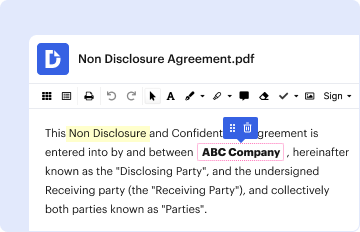
Content forms are digital or physical documents designed to capture specific information through structured fields. They serve as a standardized method for collecting data, ensuring consistency and accuracy in responses. In a digital context, content forms can be interactive and include various elements like text boxes, checkboxes, and dropdown menus. These forms facilitate streamlined data entry and retrieval, making them essential tools for a wide array of applications, such as surveys, registrations, and legal agreements.
Common Uses of Content Forms
- Data Collection: Forms are used to gather structured data from users, ensuring all necessary information is collected comprehensively.
- Application Processes: Organizations utilize forms to manage applications for services, programs, or positions.
- Feedback Gathering: Companies leverage forms for customer feedback and satisfaction surveys to garner insights into their products or services.
How to Use Content Forms
Utilizing content forms effectively involves understanding their structure and functionality. When presented with a content form, start by familiarizing yourself with its layout and the type of information each field requires. Completing the form accurately ensures you provide all necessary details without overlooking critical information.
Step-by-Step Guide
- Read Instructions: Before filling out the form, read any provided guidelines or instructions to understand its purpose and the kind of information required.
- Input Information: Enter your data into the designated fields, adhering closely to any specified formats (e.g., dates, phone numbers).
- Review for Accuracy: Double-check all entries for correctness and completeness to avoid submission errors.
- Submit the Form: Follow the submission instructions, whether it's online, via mail, or in-person.
Steps to Complete the Content Form
Completing a content form successfully requires attention to detail and adherence to specific procedures. By following a structured process, you can ensure that your submission is accurate and complete, minimizing the likelihood of errors.
Detailed Procedure
- Gather Required Information: Compile all the necessary documents and details before starting the form.
- Complete Mandatory Fields: Begin with fields marked as mandatory, ensuring no critical information is omitted.
- Save Progress: For digital forms, save your progress regularly to prevent data loss, especially for lengthy forms.
- Verify Format Compliance: Some fields may have strict formatting rules; ensure your entries conform to these to avoid rejection.
Who Typically Uses Content Forms
Various entities and individuals rely on content forms to streamline processes and ensure consistency in the information collected. Understanding the typical users of content forms can highlight their versatility and importance in different sectors.
Typical Users
- Businesses: Companies use content forms for internal processes like employee onboarding and external processes such as client intake.
- Educational Institutions: Schools and universities employ forms for admissions, registrations, and feedback collection.
- Government Agencies: Forms are essential for tax submissions, benefit applications, and other public services.
Key Elements of the Content Form
Content forms consist of several elements that are crucial for their functionality and effectiveness. Each component plays a specific role in facilitating the smooth collection and processing of information.
Essential Elements
- Input Fields: Areas where users enter data, such as names, addresses, and numbers.
- Instructional Text: Guidance provided to clarify how to fill out the form.
- Validation Checks: Mechanisms to ensure data entered meets specific criteria, helping to prevent user errors.
- Submission Confirmation: Acknowledgment or receipt that reassures users their form has been successfully submitted.
Examples of Using the Content Form
Understanding practical examples of content forms in action can provide valuable insights into their applications and benefits, illustrating how they solve real-world problems.
Real-World Examples
- Job Applications: Employers use forms to collect candidates' details, qualifications, and experiences, streamlining the recruitment process.
- Customer Surveys: Businesses create surveys to gather feedback on product satisfaction and customer experience.
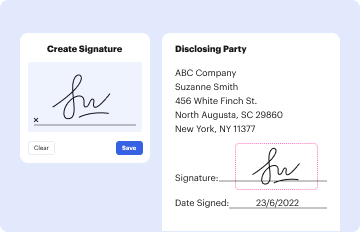
- Legal Agreements: Digital forms enable efficient collecting and managing parties' consent in contracts, ensuring compliance and reducing paperwork.
Required Documents for Content Forms
Many content forms require supplementary documents to verify the information provided. Knowing which documents to prepare beforehand can expedite the process and ensure your submission is comprehensive.
Common Required Documents
- Identification: Official IDs or passports may be needed for identification verification.
- Proof of Address: Utility bills or bank statements are often required to confirm residency.
- Supporting Documentation: Depending on the form's purpose, you might need to provide pay stubs, tax returns, or affidavits.
Digital vs. Paper Versions of Content Forms
Content forms can exist in digital or paper formats, each offering distinct advantages and challenges. Understanding the differences can help you choose the best option for your needs.
Comparison
- Digital Forms: Provide convenience with features like real-time validation, electronic signatures, and central data storage. They streamline processes and offer easy editing, saving both time and resources.
- Paper Forms: Offer reliability in locations or situations where digital tools are impractical. They eliminate technological barriers but require manual data entry and physical storage.