






Definition & Meaning of MDMetric
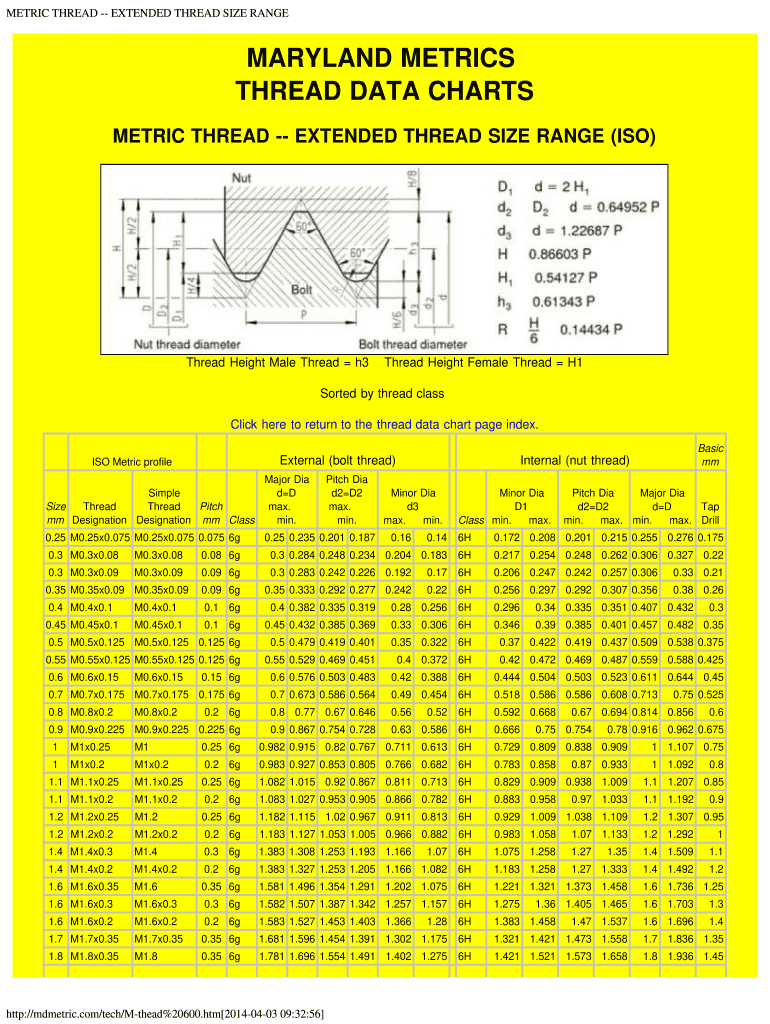
MDMetric refers to a data representation format that outlines various specifications related to metric threads, particularly in applications involving fasteners and machining. Understanding MDMetric is crucial for engineers, manufacturers, and designers who require precise measurements for creating or selecting the correct metric bolts, screws, or other threaded components.
Components of MDMetric
- Thread Height: The vertical distance between the crest and the root of the thread.
- Pitch: The distance from one thread crest to the next, often measured in millimeters.
- Diameter: Refers to the outside diameter of the threaded section, critical for compatibility with corresponding nuts and tapped holes.
Each component plays a vital role in determining the functionality and compatibility of threaded components within machinery, construction, and various engineering fields.
Key Elements of MDMetric Data
MDMetric data encompasses several critical elements, each vital for ensuring precision in the selection and application of metric threads:
Standard Measurements
- M0.25 to M600: The MDMetric dimension range ensures comprehensive coverage of various thread sizes that may be required in diverse engineering applications. Common examples include:
- M4 for small applications such as electronics.
- M12 for general-purpose use in automotive and construction sectors.
Thread Classes
- External vs. Internal Threads: MDMetric specifies both external and internal thread standards, allowing users to select measurements based on their specific needs. For instance:
- External threads are used on bolts.
- Internal threads are found in nuts or tapped holes.
Variants & Exceptions
- ISO Metric Standards: MDMetric must align with ISO standards, which ensures international compatibility and uniformity in thread dimensions. Understanding variations, such as fine versus coarse threads, is essential for correct application.
Practical Application of MDMetric
MDMetric provides significant utility in various fields. Here are some practical examples of its application:
Engineering Projects
- Engineers utilize MDMetric data to select appropriate fasteners for machinery assembly, ensuring components fit correctly and function reliably.
DIY Enthusiasts
- Hobbyists often refer to MDMetric charts when constructing personal projects that involve threaded components, such as custom furniture or models.
Industrial Manufacturing
- Manufacturing plants implement MDMetric standards to maintain consistency and quality control in production lines, ensuring products meet global standards.
Legal Use and Compliance of MDMetric
Navigating the legal aspects of using MDMetric is essential for manufacturers and engineers to avoid compliance issues:
Adherence to Regulations
- Industry Standards: Compliance with ISO and other relevant industrial standards is crucial for manufacturers sourcing or producing metric threaded components. Failing to meet these can lead to product recalls or liability issues.
Documentation Requirements
- Proper documentation detailing the thread specifications and compliance with MDMetric standards is necessary for quality assurance processes in manufacturing settings.
Conclusion
MDMetric is an essential aspect of selecting and using metric threads across various applications. Understanding its definition, key elements, practical uses, and legal implications ensures that engineers, manufacturers, and hobbyists can make informed choices in their projects. By consulting MDMetric charts and guidelines, one can achieve precision and compliance in the utilization of threaded components.
Additional Resources for Further Learning
- Metric Thread Chart PDFs: Available downloads offering extensive overviews of thread sizes.
- Practical Examples: Case studies demonstrating MDMetric application across industries.