







Definition and Meaning
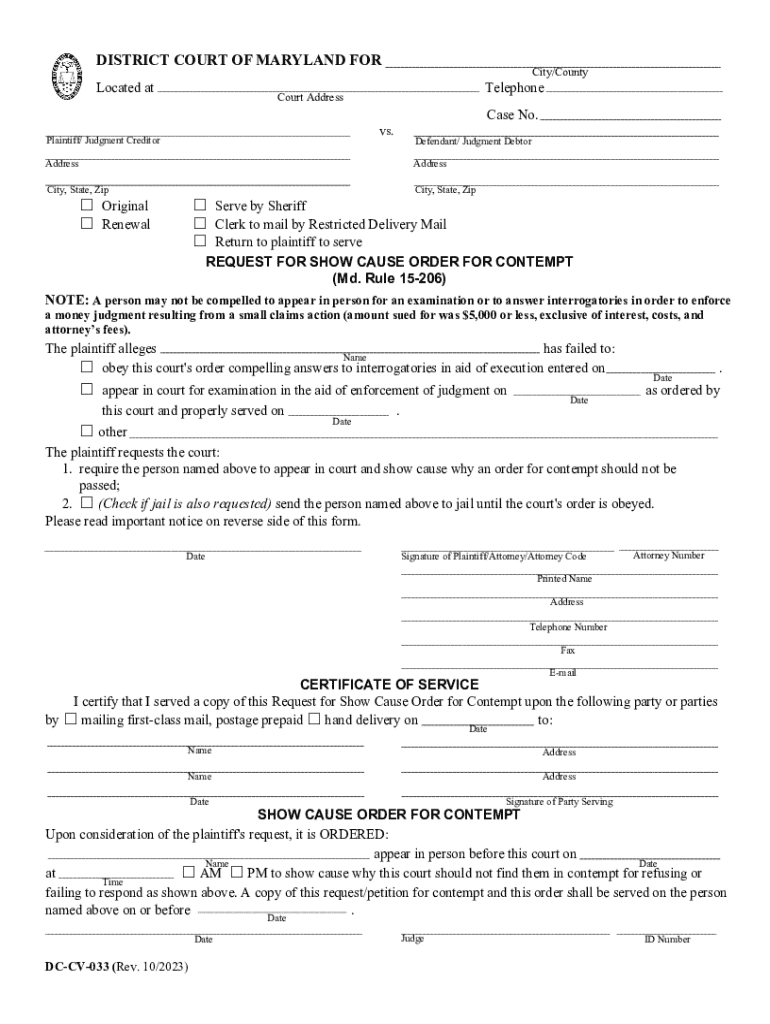
The "HB 772 Judgements-Exemptions for Execution SUPPORT" form refers to a legal document used to outline exemptions for the execution of judgments. Typically associated with court-ordered judgments, this form specifies the types of property or assets that may be exempt from being seized to satisfy a debt. The form is meant to support individuals or entities in understanding and asserting their rights regarding what can be legally excluded from execution under a judgment.
Examples of exemptions might include a primary residence, certain personal possessions, or tools necessary for one's profession. It is crucial for those facing judgments to comprehend these exemptions to protect their assets effectively.
How to Use the HB 772 Judgements-Exemptions for Execution SUPPORT
Utilizing the HB 772 form requires a clear understanding of personal legal circumstances and exemptions applicable under state law. Users should begin by reviewing the form's instructions and matching the listed exemptions with their assets. Accuracy in documenting each exemption is pivotal.
Legal consultation is highly recommended to ensure all applicable exemptions are claimed. This form generally must be submitted to the court handling the judgment proceedings to be considered during execution processes.
Steps to Complete the HB 772 Judgements-Exemptions for Execution SUPPORT
-
Gather Necessary Information:
- Compile a list of assets potentially subject to judgment execution.
- Determine which of these assets can be exempt based on the form's criteria.
-
Complete the Form:
- Carefully fill out each section of the form, documenting each claimed exemption.
- Provide any additional required documentation supporting exemption claims.
-
Submit to the Court:
- Deliver the completed form to the appropriate court for consideration.
- Ensure it is submitted within any designated deadlines to avoid forfeiting rights.
-
Follow Up:
- Monitor the court's response and be prepared to provide additional information or clarification if needed.
Important Terms Related to HB 772 Judgements-Exemptions for Execution SUPPORT
- Exemption: A legal allowance to exclude certain assets from judgment execution.
- Judgment Execution: The process by which a court order is enforced against a debtor's assets.
- Asset Protection: Legal methods to safeguard one's assets from creditors.
- Debtor: The individual or entity responsible for satisfying a debt judgment.
Understanding these terms helps in comprehending how the form functions within legal contexts and asset protection strategies.
Legal Use of the HB 772 Judgements-Exemptions for Execution SUPPORT
Legally, this form is used to assert that certain assets are protected under state or federal exemptions in the event of a judgment. Legal use requires adhering to specific protocols, which may vary across jurisdictions. Filing this form properly ensures that execution processes respect legal boundaries set for debtor protections.
It is crucial to abide by all court guidelines and directives associated with filing exemptions to preserve one's rights under the law.
State-Specific Rules for the HB 772 Judgements-Exemptions for Execution SUPPORT
Each state may have unique rules concerning what is considered exempt from execution under a judgment. For instance, while one state may exempt a single vehicle up to a certain value, another might include additional personal property.
Researching state-specific statutes and possibly consulting with a local attorney will ensure that users of the form claim all applicable exemptions relevant to their jurisdiction. This knowledge is crucial for maximizing protection afforded by the HB 772 process.
Filing Deadlines and Important Dates
Adhering to deadlines is critical when submitting the HB 772 form. Courts often set stringent timelines within which exemptions must be claimed, typically soon after a judgment is issued.
Failing to meet these deadlines can result in the loss of the opportunity to claim exemptions, and therefore, it is vital for individuals to act promptly and file the form as early as possible. Always verify specific deadline requirements with the local court handling the judgment.
Required Documents
When submitting the HB 772 form, supporting documentation is often necessary to substantiate claims of exempt assets. This could include proof of ownership, valuations, or other legal documents that verify the status and value of assets.
Supplying comprehensive documentation alongside the form facilitates smoother court processing and enhances the credibility of exemption claims. It's prudent to prepare these documents well in advance of filing.
Form Submission Methods (Online, Mail, In-Person)
The HB 772 form may be submitted through multiple channels depending on the court's facilities. Some courts offer online submission platforms, while others require mail or in-person filing.
- Online: Convenient for quick submission if supported by the local court.
- Mail: Requires timely dispatch to ensure arrival before deadlines.
- In-Person: Allows for direct communication and immediate receipt confirmation.
Confirming the preferred or required submission method with the court can prevent unnecessary delays or errors in the filing process.




