

CHA GUIDELINES FOR STANDING ORDERS, STANDARDIZED PROCEDURES AND OTHER DELEGATION TOOLS 2026

Get Form
CHA GUIDELINES FOR STANDING ORDERS, STANDARDIZED PROCEDURES AND OTHER DELEGATION TOOLS Preview on Page 1

Here's how it works

01. Edit your form online
Type text, add images, blackout confidential details, add comments, highlights and more.
02. Sign it in a few clicks
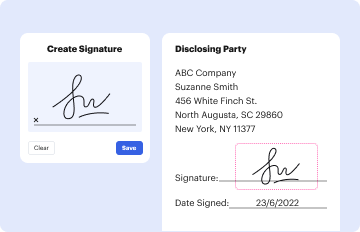
Draw your signature, type it, upload its image, or use your mobile device as a signature pad.
03. Share your form with others
Send it via email, link, or fax. You can also download it, export it or print it out.

How to use or fill out CHA GUIDELINES FOR STANDING ORDERS, STANDARDIZED PROCEDURES AND OTHER DELEGATION TOOLS with our platform

Form edit decoration
9.5
Ease of Setup
DocHub User Ratings on G2
9.0
Ease of Use
DocHub User Ratings on G2
  1. Click ‘Get Form’ to open the CHA GUIDELINES document in the editor.
  2. Begin by reviewing the 'Standing Orders' section. Identify the specific clinical events that trigger these orders and ensure you understand who can initiate treatment under these guidelines.
  3. Move to the 'What can or can’t they be used for?' section. Carefully read through the limitations and conditions outlined for standing orders, especially regarding patient-specific requirements.
  4. Next, navigate to the 'Standardized Procedures' section. Familiarize yourself with how these procedures are developed and who is authorized to perform them.
  5. Fill in any required fields as per your facility's protocols, ensuring all entries are clear and comply with current regulations.
  6. Finally, review your entries for accuracy before saving or sharing the completed document directly from our platform.

Start using our platform today to streamline your document editing and form completion process for free!

be ready to get more

Complete this form in 5 minutes or less

Get form

Got questions?

We have answers to the most popular questions from our customers. If you can't find an answer to your question, please contact us.
Contact us
Standing orders and protocols allow patient care to be shared among non-clinician members of the care team, like medical assistants and nurses.
A standing order can be set up and modified only by the payer, and is for amounts specified by the payer to be paid at specified times (usually a fixed amount at a specified interval examples). The amount can be paid into any bank account, which need not belong to an organisation vetted by the payers bank.
Certification of standing orders. Upon receiving the draft standing orders, the docHubing Officer will share a copy with the trade union or, in its absence, with the workmen. A notice will accompany the draft standing orders, requesting any objections from the workmen within fifteen days of receiving the notice.
The use of standing orders must be documented as an order in the patients medical record and authenticated by the practitioner responsible for the care of the patient, as the regulations at 42 CFR 482.23(c)(2) and 482.24(c)(1) require, but the timing of such documentation should not be a barrier to effective
Standing orders and protocols allow patient care to be shared among non-clinician members of the care team, like medical assistants and nurses. Standing orders are often based on national clinical guidelines, but practices may customize those guidelines based on their own patient population or care environment.

Security and compliance

At DocHub, your data security is our priority. We follow HIPAA, SOC2, GDPR, and other standards, so you can work on your documents with confidence.

Learn more
ccpa2
pci-dss
gdpr-compliance
hipaa
soc-compliance
be ready to get more

Complete this form in 5 minutes or less

Get form