



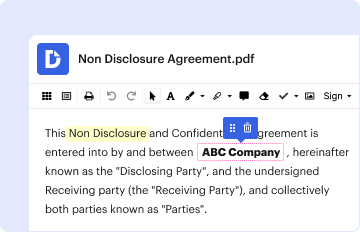
01. Edit your mental health evaluation form online
Type text, add images, blackout confidential details, add comments, highlights and more.

Type text, add images, blackout confidential details, add comments, highlights and more.
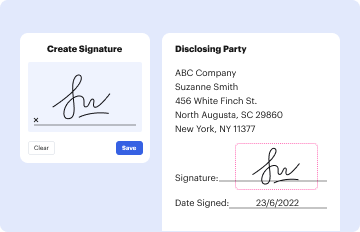
Draw your signature, type it, upload its image, or use your mobile device as a signature pad.
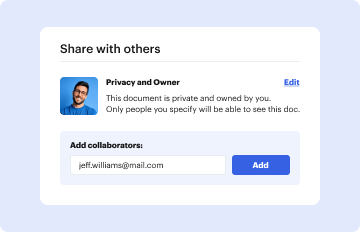
Send mental health evaluation via email, link, or fax. You can also download it, export it or print it out.
A school counselor evaluation sample is a structured tool designed to assess and enhance the performance of school counselors. This evaluation form provides a comprehensive framework for evaluating the skills, competencies, and professional behaviors of counselors within educational settings. Typically used by educational institutions, such as primary, secondary, and even post-secondary schools, these evaluations aim to ensure that counselors adhere to regulatory standards and contribute effectively to the holistic development of students.
The evaluation examines various aspects, including communication skills, the ability to develop and implement counseling programs, ethical practice, and the overall impact on student development. By standardizing the assessment process, the evaluation sample aids in identifying both the strengths and areas for growth of the counseling staff, thereby supporting professional development and ensuring high-quality counseling services.
The school counselor evaluation sample typically comprises several key components that collaboratively provide a comprehensive assessment. Some of these components include:
Professional Competencies: This section evaluates the counselor's ability to demonstrate essential counseling skills, such as empathy, active listening, and ethical decision-making.
Program Implementation: Evaluates the counselor's capability to design, implement, and manage school counseling programs effectively, which address students’ academic, career, and personal/social development.
Communication Effectiveness: Assesses the counselor's skills in communicating with students, parents, and staff to foster a supportive educational environment.
Collaboration Skills: Measures the counselor’s ability to work collaboratively with educators, administrators, and outside agencies to optimize student support services.
Impact on Student Outcomes: Evaluates how the counselor contributes to measurable improvements in students’ academic achievements and personal growth.
These elements ensure a holistic review of the counselor's performance, contributing to both individual and institutional improvements.
Obtaining a school counselor evaluation sample generally involves the following steps:
Contact Educational Institutions: Many schools or school districts may provide access to their standard evaluation forms to ensure consistency within their systems.
Professional Counseling Organizations: Organizations such as the American School Counselor Association (ASCA) offer resources that may include standardized forms for evaluation purposes.
Online Templates and Resources: Various online platforms provide downloadable templates that can be customized to fit the specific needs of different educational settings.
The process of obtaining the evaluation form is straightforward, allowing easy access and adaptation to meet specific institutional requirements.
To effectively complete a school counselor evaluation sample, follow these outlined steps:
Introduction and Orientation: Begin with an overview of the evaluation's purpose to ensure clarity regarding its objectives and components.
Data Collection: Gather relevant data and documentation, including feedback from various stakeholders such as students, parents, and teachers.
Self-Assessment: Allow the counselor to perform a self-assessment to identify perceived strengths and areas needing improvement.
Performance Assessment: Utilize a structured rating scale within the form to objectively evaluate each of the key elements mentioned above.
Feedback and Discussion: Engage in a feedback session where evaluators and counselors can discuss the results, highlighted strengths, and potential areas for professional development.
Action Planning: Develop a plan that outlines the steps for addressing any identified areas for improvement.
Each step is crucial to ensuring a comprehensive evaluation that effectively supports counselor improvement and student development.
Utilizing a school counselor evaluation sample offers several significant benefits:
Standardization: Ensures consistent and fair assessments across different individuals and institutions.
Professional Development: Identifies areas for growth and supports capacity-building for counselors.
Quality Assurance: Helps maintain high standards within the counseling team, leading to better student support and development outcomes.
Resource Allocation: Guides decision-making related to professional development resources and supports necessary for the counseling staff.
The adoption of a standardized evaluation toolkit contributes to enhanced counseling practices and better educational experiences for students.
The primary users of the school counselor evaluation sample include:
School Administrators: Responsible for managing and overseeing counseling programs within educational institutions.
Counselors: Who benefit from understanding their performance through structured feedback.
Human Resources Personnel: Utilize the evaluations in hiring, retention, and promotion decisions.
Educational Board Members: Stakeholders interested in maintaining and enhancing the quality of educational and counseling services provided by schools.
The diverse usage underscores the importance of evaluation tools in promoting effective educational support systems.


While the core principles of school counselor evaluations are standard, state-specific rules can influence how these evaluations are conducted. Differences can include:
Regulatory Standards: Variations in state-specific licensure and certification requirements for school counselors.
Evaluation Criteria: Differences in emphasis on certain competencies based on regional educational priorities.
Implementation Guidelines: State-specific guidelines on how evaluations are to be conducted and integrated into personal development plans.
Understanding these state-specific rules is vital for ensuring compliance and optimizing the effectiveness of the evaluation process.
School counselor evaluation samples have been successfully used in various educational scenarios:
Transition Programs: Assessing counselor effectiveness in aiding students during critical transitions, such as moving from middle to high school.
Student Support Initiatives: Evaluating counselor contributions to programs designed to enhance student mental health and well-being.
Career Readiness Schemes: Assessing how well counselors prepare students for post-secondary education and career pathways.
These examples highlight the adaptive nature of the evaluation sample in diverse educational contexts.
We've got more versions of the mental health evaluation form form. Select the right mental health evaluation form version from the list and start editing it straight away!
At DocHub, your data security is our priority. We follow HIPAA, SOC2, GDPR, and other standards, so you can work on your documents with confidence.


