




Definition & Meaning
A signature list is an essential document used to record the authorized signatories associated with a particular account or organization. It provides a detailed listing of each signatory’s name, designation, and corresponding signature. This document serves as an official reference to verify the authority of individuals to sign documents on behalf of an entity, ensuring transparency and accountability in business transactions.
Signature lists are commonly utilized in various settings, including financial institutions, corporate offices, and nonprofit organizations. They play a crucial role in internal audits and compliance processes, aiding in the prevention of unauthorized transactions. With the increasing reliance on digital solutions, electronic signature lists are becoming more prevalent, offering quick access and easy management.
Key Elements of the Signature List
Creating an effective signature list involves ensuring that certain key elements are consistently observed. These components are vital for the signature list to fulfill its intended purpose accurately:
- Name of the Signatories: Clear and complete names of all individuals authorized to sign, matching their identification documents.
- Designation: The role or position of each signatory within the organization, which often determines the level of authority they possess.
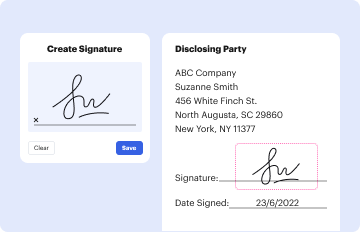
- Specimen Signatures: A sample signature from each signatory to be used for verification purposes.
- Date of Authorization: The specific date when the individual's signing privileges were granted.
- Expiration of Authority: If applicable, the date when the signatory’s authority is no longer valid.
Proper documentation of these elements ensures that the organization maintains robust control over its financial and legal obligations.
Steps to Complete the Signature List
Completing a signature list involves a structured approach to ensure accuracy and compliance. Here are the steps to follow:
- Identify Authorized Personnel: Determine the individuals within the organization who need signing authority over specific documents or accounts.
- Collect Information: Gather necessary details including names, designations, contact information, and identification documents for each signatory.
- Prepare the Document: Create the signature list template, ensuring it includes all required fields such as name, position, and sample signatures.
- Validate Signatures: Obtain signatures from each authorized person in the designated section of the signature list.
- Review and Approve: Conduct a final review to ensure all information is accurate and complete. Obtain necessary approvals from higher authorities within the organization.
- Distribute and Store: Share the completed signature list with relevant departments and store it securely for future reference.
This meticulous process ensures that the organization’s signature validation protocols are effectively maintained.
Why Should You Use a Signature List
Implementing a signature list in your organization offers numerous advantages, particularly in strengthening internal controls and safeguarding against unauthorized actions. Here are the primary benefits:
- Enhanced Security: By specifying who can sign on behalf of the company, a signature list minimizes the risk of fraud and unauthorized transactions.
- Streamlined Operations: A clear list of signatories improves efficiency in document processing and project approvals, reducing delays.
- Compliance and Audit Trail: It provides a reliable audit trail for internal and external auditors to review during compliance checks.
- Facilitates Accountability: Clearly delineates responsibility, ensuring individuals understand and adhere to their signing duties.
These benefits underscore the importance of a meticulously managed signature list in any organization.
Legal Use of the Signature List
The use of signature lists carries legal significance, especially in businesses and financial transactions. Here are some legal aspects to consider:
- Binding Agreements: Signature lists authorize individuals to enter legally binding agreements on behalf of an organization.
- Verification: Serves as a legal instrument to verify the authenticity of signatures on business documents.
- Dispute Resolution: Provides documented evidence of authority in resolving disputes over contractual obligations.
- Regulatory Compliance: Ensures adherence to legal requirements concerning delegation of authority and approvals.
Understanding these legal implications helps organizations maintain compliance and protect their interests in various dealings.
Examples of Using the Signature List
Signature lists are used in diverse scenarios to ensure proper authorization. Some practical examples include:
- Banking Transactions: Financial institutions often require a signature list to authorize account-related activities like transfers and check issuance.
- Contract Approvals: Corporate offices use signature lists to approve significant contracts or procurement orders.
- Board Resolutions: Nonprofits may use signature lists to validate board meeting resolutions and strategic decisions.
- Internal Audits: Auditors utilize signature lists to confirm the legitimacy of transactions and adherence to regulatory standards.
These examples highlight the broad applicability of signature lists in operational and compliance contexts.
How to Obtain the Signature List
Acquiring a signature list involves procedural steps that are often determined by the organization's standard practices. Here’s how one might generally obtain a signature list:
- Request from the Appropriate Department: Typically, the human resources or administrative department manages the signature list.
- Formal Request in Writing: Submit a formal written request specifying the reason for accessing the list.
- Approval from Authorizing Authorities: Ensure that there is necessary approval from key authorities if the requestor is external or not standard personnel.
- Receive the Document Securely: Once approved, the document will be provided securely to maintain confidentiality.
Following these steps ensures that the acquisition of a signature list is thorough and respects organizational security protocols.
Software Compatibility
With increasing digital transformation, software compatibility is a crucial consideration for managing signature lists. DocHub's platform, for example, offers comprehensive solutions for digital document management:
- Formats Supported: Compatible with various file types such as PDF, DOC, and XLS, allowing seamless integration with existing document workflows.
- Integration: Easily integrates with cloud storage services like Google Drive, enhancing accessibility.
- Security Features: Employs 256-bit SSL encryption to ensure data security and confidentiality.
- User-Friendly Interface: Simplifies the digital signing process allowing users to manage lists efficiently without technical hassles.
Such software compatibility ensures that managing signature lists is an efficient, secure, and streamlined process.


