







Definition & Meaning of Policy Period
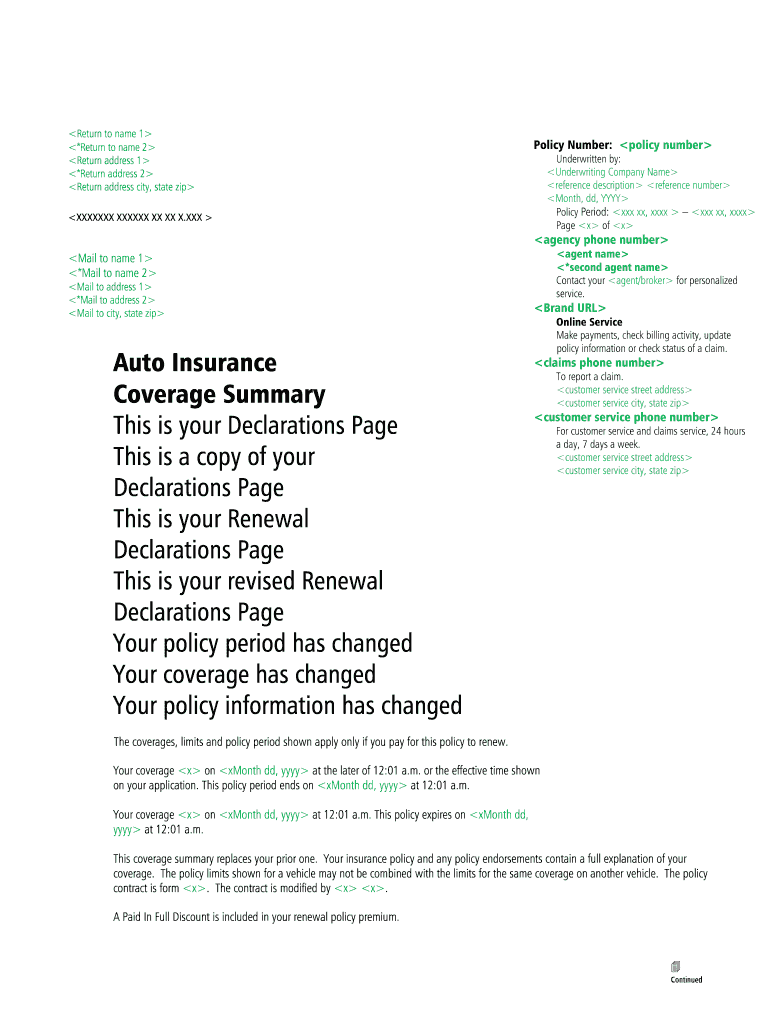
The "policy period" refers to the duration for which an insurance policy is in effect. It is the timeframe between the policy's start date and its end date, during which the coverage terms agreed upon in the policy are active. Typically outlined on an insurance Declarations Page, the policy period specifies when coverage begins and ends, fundamentally impacting the insured's protection against risks. For instance, if an auto insurance policy period spans from January 1, 2023, to December 31, 2023, coverage will only be provided for incidents occurring within this timeframe.
Importance of the Policy Period
The policy period is crucial as it defines the window during which policyholders are eligible for coverage. Understanding the policy period helps avoid coverage lapses, which can occur when a policy expires without renewal or replacement. Insurance companies often require policies to be renewed before their expiration dates to maintain continuous protection, especially for essential coverage types, such as auto and homeowners insurance. Knowing the policy period also aids in financial planning, as it indicates when premiums need to be paid to ensure uninterrupted coverage.
How to Use the Policy Period:
The primary function of the policy period is to guide policyholders in tracking their coverage duration and ensuring timely renewals or adjustments. Here's how to effectively manage it:
-
Mark Important Dates: Always note the start and end dates of the policy period upon purchasing or renewing an insurance policy. This helps in scheduling timely reviews and renewals.
-
Regularly Review Coverage Needs: Assess whether the coverage still meets your needs before the policy period ends. This allows you to make necessary changes without risking lapses in coverage.
-
Coordinate with Other Policies: Align the policy periods of multiple insurance policies, if possible. This helps keep the renewal process streamlined and ensures comprehensive protection.
Why You Should Track the Policy Period
Actively tracking the policy period helps avoid unexpected gaps in coverage. Missing the renewal deadline might leave you vulnerable to uncovered risks. Additionally, it provides an opportunity to reassess insurance needs, compare market offerings, and ensure the best value for the coverage.
Steps to Complete the Policy Period Task:
Understanding and completing tasks related to the policy period involve various steps to ensure continued coverage:
-
Review Policy Document: Start by carefully reading your policy document for an understanding of the exact policy period.
-
Set Reminders: Use digital tools, such as calendar apps, to set reminders for the policy renewal date.
-
Contact Your Insurer: Reach out to your insurance provider about a month before the end of the policy period to discuss renewal options or any changes needed.
-
Evaluate Policy Changes: If you need modifications, such as coverage adjustments or deductible changes, initiate these discussions well in advance of the policy's expiration.
-
Finalize Renewal or Switch Providers: Complete renewal processes or finalize a switch to a new provider before the current policy ends to prevent any gaps in coverage.
Who Typically Uses the Policy Period:
The policy period applies to various users across different domains:
-
Individuals: People securing personal insurance policies such as auto, life, and health insurance need to be aware of their policy periods to avoid lapses.
-
Businesses: Organizations use the policy period for commercial policies such as liability, property, and workers' compensation insurance. Understanding the policy period helps businesses maintain compliance and risk management.
-
Insurance Agents/Brokers: Professionals in the insurance industry track policy periods to advise clients on renewals, ensuring clients maintain the desired level of coverage.


Key Elements of the Policy Period
Each insurance policy includes critical information about the policy period:
-
Start Date: The commencement date when the policy terms and coverage begin.
-
End Date: The expiration date when coverage ceases unless the policy is renewed.
-
Premium Payment Schedule: Outlines when payments are due to maintain active coverage throughout the policy period.
By understanding these elements, policyholders can ensure their policies remain active and aligned with their insurance needs.
State-Specific Rules for the Policy Period
Insurance regulations can vary significantly between states, impacting policy periods:
-
Renewal Notices: Some states mandate insurers to provide advance notice of pending policy expirations, ensuring policyholders receive ample time to renew.
-
Grace Periods: Certain states allow grace periods for renewals, where coverage temporarily remains active post-expiration under specific conditions.
-
Cancellation Policies: Rules regarding the cancellation of policies before the end of the policy period can differ by state, affecting how and when coverage can be terminated.
Understanding these state-specific rules ensures compliance with local regulations and prevents unwanted disruptions in coverage.
Examples of Using the Policy Period
Practical applications of the policy period abound in various scenarios:
-
Auto Insurance: A driver ensures their auto insurance policy is current by checking the policy period before embarking on a cross-country road trip.
-
Homeowners Insurance: Before hurricane season, a homeowner reviews the expiration date of their policy to secure additional coverage if necessary.
-
Business Liability Insurance: A retailer verifies their liability insurance is up-to-date before hosting a large public event to mitigate potential liability risks.
These examples underscore the importance of the policy period's role in maintaining continuous, adequate insurance coverage.
Penalties for Non-Compliance with Policy Periods
Failing to adhere to specified policy periods can have significant repercussions:
-
Coverage Lapses: Allowing a policy to expire without renewal can result in a lapse, wherein no insurance protection is available, potentially leading to uncovered losses.
-
Increased Premiums: Some insurers may increase premiums upon renewal if policies lapse, as a continuous coverage history is usually rewarded with lower rates.
-
Legal Penalties: Operating without required insurance coverage, such as auto insurance, can lead to legal fines and penalties.
By complying with policy periods and ensuring timely renewals, policyholders can avoid such penalties and maintain protection against unforeseen events.


