





Definition & Purpose of "Other Family Members Seen Here, If Any"
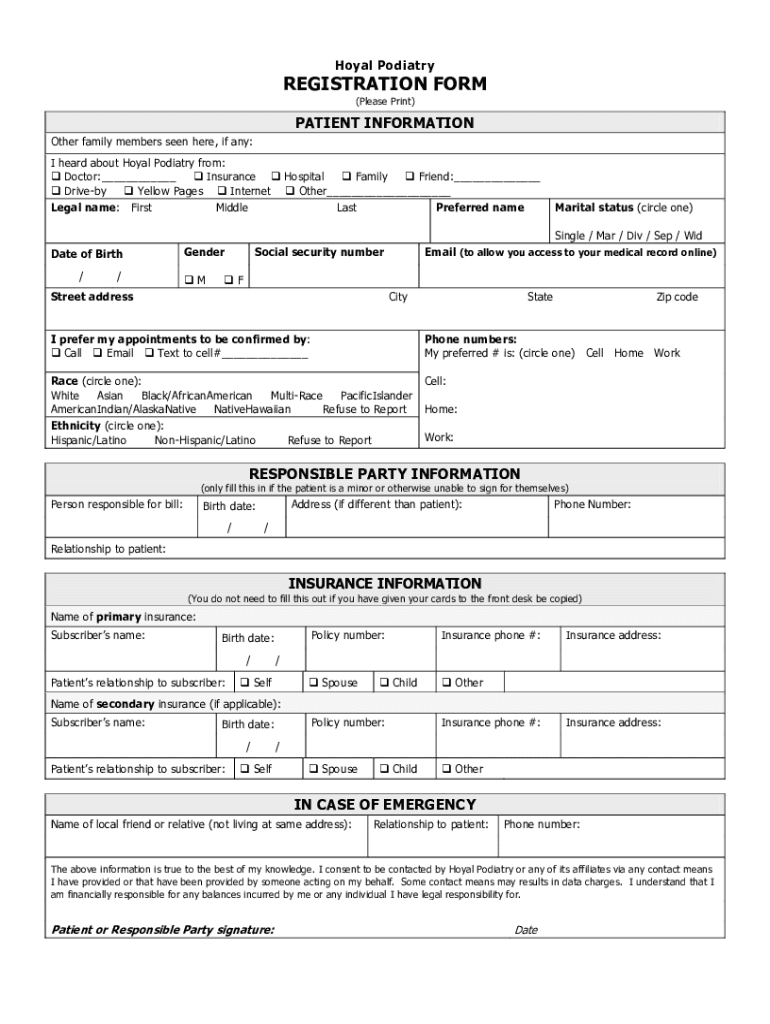
The form section titled "Other family members seen here, if any" is typically used in healthcare and medical forms to document additional family members who have been treated or are currently being treated by the same healthcare provider. This information is crucial for maintaining comprehensive family medical history records, identifying potential hereditary health issues, and facilitating coordinated care within the family unit.
Relevance in Medical Contexts
- Family Medical History: Understanding the medical history of family members can help diagnose conditions with a genetic component.
- Coordinated Care: Streamlines communication between healthcare providers for family-wide treatment plans.
- Insurance and Billing: Identifies families that may be eligible for group insurance benefits or discounts.
How to Use the "Other Family Members Seen Here, If Any" Section
Filling out this form requires you to provide details about other family members who are patients of the same medical practice.
Step-by-Step Instructions
- Locate the Section: Identify the "Other family members seen here, if any" section on the form.
- List Family Members: Include names, dates of birth, and relation to the primary patient.
- Provide Relevant Details: Add information such as current medical treatment and any known allergies.
- Review for Accuracy: Double-check the information for accuracy and completeness.
Importance of the "Other Family Members Seen Here, If Any" Section
Benefits for Patients and Families
- Enhanced Care: Facilitates personalized medical care by providing context to family medical histories.
- Prevention and Proactive Treatment: Identifies at-risk family members for specific conditions, enabling early intervention.
- Effective Communication: Encourages open dialogues between healthcare providers and patients about family health.
Medical Provider Advantages
- Streamlined Records Management: Aids in efficient documentation and retrieval of patient information.
- Risk Assessment: Assists in assessing genetic risks and tailoring preventive healthcare measures.
Key Elements to Include
When completing the form section, include critical details for each listed family member.
Critical Information
- Full Names: Ensure correct spelling and full documentation of names.
- Date of Birth (DOB): Include DOB for accurate identification and age-related risk assessments.
- Relationship to Patient: Specify how each person is related to the primary patient.
- Current Health Conditions: Major medical issues or treatments.
- Medication Allergies: Document any known allergies to ensure safe treatment plans.
Legal Considerations for Including Family Members
Incorporating family members' information aligns with U.S. medical and privacy laws, such as HIPAA, provided consent is given.
Patient Privacy and Consent
- Obtaining Consent: Ensure that you have proper consent to disclose the information of family members.
- HIPAA Compliance: The sharing of medical records must comply with HIPAA guidelines to protect patient confidentiality.
Real-World Example of "Other Family Members Seen Here, If Any"
A family with a history of diabetes uses this section to document multiple members being treated for the condition. The healthcare provider uses this information to monitor the family’s health trends and adjust treatment protocols accordingly.
Scenario Analysis
- Medical Treatment: Allows a family physician to monitor and manage diabetes treatment plans effectively across family members.
- Preventive Measures: Implement dietary and lifestyle interventions for at-risk family members.
Differences in State-Specific Requirements
While generally standardized, some states might have specific regulatory requirements related to documenting family members in medical forms. It is essential to understand the specific demands of your state to ensure compliance.
State Consideration Examples
- California: Emphasizes patient privacy and requires explicit consent for sharing family medical information.
- Texas: May have additional guidelines on family medical history related to genetic conditions.
Software and Digital Form Compatibility
Digital platforms like DocHub enhance the process of filling out forms by providing tools for seamless electronic management.
Digital Advantages
- Efficiency and Accessibility: Complete and submit forms online from any device, often with pre-filled data for accuracy.
- Security Measures: Ensure data is secure with SSL encryption and compliance with privacy laws.
By thoroughly understanding and correctly using the "Other family members seen here, if any" section, individuals and healthcare providers can benefit from improved care and documentation accuracy, ultimately enhancing the overall medical experience.