KELLER v STATE BAR OF CALIFORNIAFindLaw 2026

Get Form
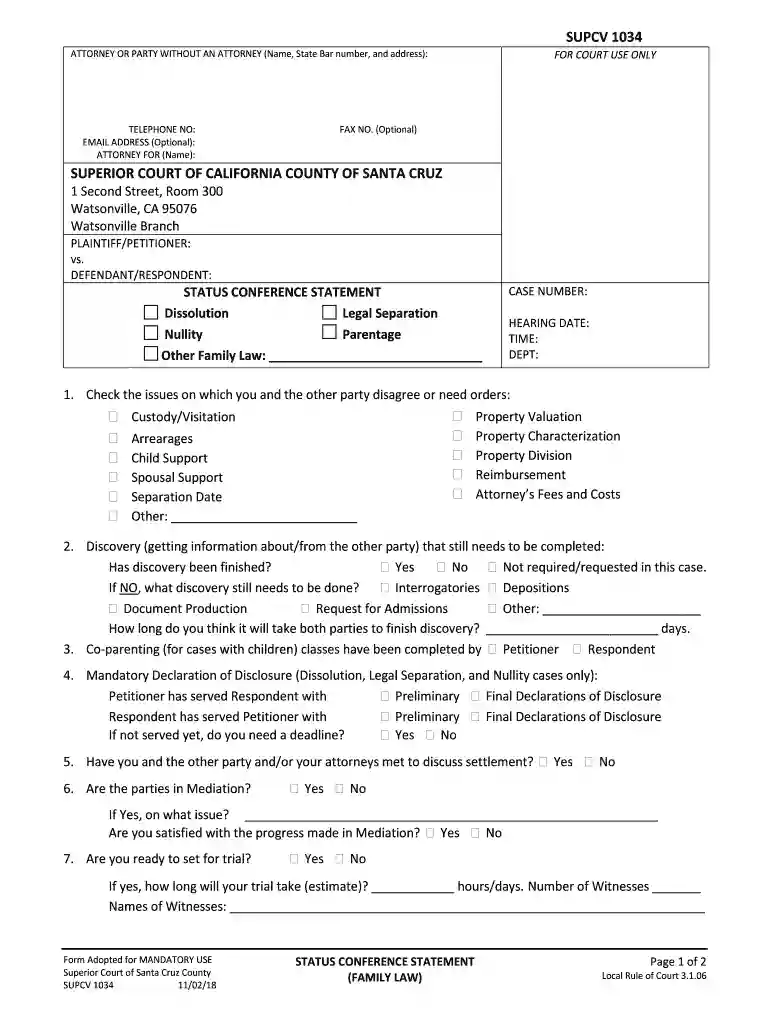
KELLER v STATE BAR OF CALIFORNIAFindLaw Preview on Page 1

Here's how it works

01. Edit your form online
Type text, add images, blackout confidential details, add comments, highlights and more.

02. Sign it in a few clicks
Draw your signature, type it, upload its image, or use your mobile device as a signature pad.

03. Share your form with others
Send it via email, link, or fax. You can also download it, export it or print it out.

Definition & Meaning

The "KELLER v STATE BAR OF CALIFORNIAFindLaw" case refers to a landmark legal decision involving mandatory bar membership fees and the First Amendment. The primary aspect of this case revolved around whether mandatory bar dues could be used for political or ideological activities that dissenting members might not support. Understanding this case is crucial for legal professionals concerned with ethical funding practices within state bar associations.

Key Legal Questions

  • Can mandatory bar fees fund political activities?
  • How does this align with First Amendment rights?

Background Context

The decision from this case established guidelines on how state bars can allocate membership fees, particularly emphasizing transparency and ensuring funds are not misused for non-regulatory activities unrelated to law practice.

Key Elements of the KELLER v STATE BAR OF CALIFORNIAFindLaw

This legal decision contains several critical components that set precedents in bar membership and fee allocation policies.

Main Components

  • Mandatory Fees: Explanation of how mandatory fees should be assessed and justified.
  • Permissible Expenditures: What constitutes permissible use of mandatory fees, such as administrative and regulatory actions.
  • Political Activities Limitations: Restrictions placed on the use of membership fees for political advocacy or ideological pursuits without member consent.

Legal Use of the KELLER v STATE BAR OF CALIFORNIAFindLaw

The decision is frequently referenced in cases where state bar associations' use of funds is questioned regarding ethical boundaries and members' rights.

Practical Applications

  • Bar Association Policies: Assists in shaping policies around fee usage.
  • Legal Challenges: Provides legal grounds for challenging inappropriate use of fees.

Example Scenarios

  • A lawyer challenges their bar association for funding political ads.
  • A legal body revisits its fee allocation policies.

Important Terms Related to KELLER v STATE BAR OF CALIFORNIAFindLaw

Understanding the terminology associated with this case helps in grasping its implications and applications.

Core Terms

  • Mandatory Dues: Fees that all members of a bar association are required to pay.
  • First Amendment Rights: Focuses on freedom of speech and association, central to the case's arguments.
  • Non-Regulatory Activities: Activities that do not directly relate to the regulation or improvement of the legal profession.

Steps to Complete the KELLER v STATE BAR OF CALIFORNIAFindLaw

For those engaging with the case or related legal actions, understanding the steps involved is critical.

Filing and Responding Procedures

  1. Filing a Grievance: Legal professionals might need to file formal complaints if they suspect misuse of fees.
  2. Engaging with Legal Opinions: Reviewing existing legal opinions and decisions related to the case.
  3. Following Judicial Review: Understand precedence set in judicial reviews following the original case decision.

Examples of Using the KELLER v STATE BAR OF CALIFORNIAFindLaw

Practical examples showcase how this decision is applied in real-world settings.

Real-World Application Cases

  • Case Study One: A state bar revises its financial policies after a member's lawsuit citing this decision.
  • Case Study Two: Legal seminars using the case as an instructional model to teach ethical fund management.

State-Specific Rules for the KELLER v STATE BAR OF CALIFORNIAFindLaw

While the decision sets a national precedent, its application can vary significantly across different states.

Variations Across the U.S.

  • Each state might have unique interpretations or additional statutes guiding bar association activities.
  • California Example: Due to the origin of the case, California’s implementation of this ruling serves as a model for other states.

Considerations

Legal professionals are advised to consult state-specific guidelines and precedents to understand regional applications fully.

Penalties for Non-Compliance

State bar associations and individual members need to be aware of potential penalties for not adhering to the guidelines established by the Keller decision.

Consequences

  • Financial Penalties: Misallocation of funds may lead to financial restitution mandates.
  • Legal Sanctions: Non-compliance can result in sanctions or loss of license for involved parties.

Avoiding Penalties

  • Adopting clear communication strategies.
  • Ensuring transparent decision-making processes regarding fund usage.

See more KELLER v STATE BAR OF CALIFORNIAFindLaw versions

We've got more versions of the KELLER v STATE BAR OF CALIFORNIAFindLaw form. Select the right KELLER v STATE BAR OF CALIFORNIAFindLaw version from the list and start editing it straight away!
Versions Form popularity Fillable & printable
2018 4.3 Satisfied (23 Votes)
2013 4.9 Satisfied (312 Votes)
be ready to get more

Complete this form in 5 minutes or less

Get form

Got questions?

We have answers to the most popular questions from our customers. If you can't find an answer to your question, please contact us.
Contact us
Lawyers by state One-fourth of all the lawyers in the country are in just two states: New York (187,656 lawyers) and California (175,883 lawyers). Combined, they have 28% of the nations lawyers, ing to the 2024 ABA National Lawyer Population Survey. North Dakota has the fewest lawyers among the 50 states: 1,663.
In a U.S. Supreme Court case Keller v. State Bar of California, the Court ruled that a bar association may not use mandatory member fees to support political or ideological activities that are not reasonably related to the regulation of the legal profession or improving the quality of legal services.
Created by the state legislature in 1927, the State Bar is a public corporation within the judicial branch of government, serving as an arm of the California Supreme Court. All State Bar members are officers of the court.
The Supreme Court justices, however, sided with the baker in a 7-2 decision on June 4. Specifically, the justices said that some state commission members were hostile toward the bakers sincerely held religious beliefs, which violated their constitutional duty of religious neutrality.

Security and compliance

At DocHub, your data security is our priority. We follow HIPAA, SOC2, GDPR, and other standards, so you can work on your documents with confidence.

Learn more
ccpa2
pci-dss
gdpr-compliance
hipaa
soc-compliance
be ready to get more

Complete this form in 5 minutes or less

Get form