



Understanding the "Meet and Greet Format"
The "meet and greet format" is a structured approach often used to facilitate interactions between individuals or groups, especially in formal or professional settings. This format establishes a framework for introductions, the exchange of key information, and the clarification of objectives for the interaction. The goal is to create a conducive atmosphere for meaningful dialogue, whether aiming for networking, relationship-building, or initiating collaboration efforts.
How to Use the Meet and Greet Format Effectively
To maximize the utility of the meet and greet format, structure your event or session purposefully:
-
Preparation: Research your participants to tailor the conversation or presentation to their interests or objectives.
-
Introduction: Open with a brief, engaging introduction. State the purpose of the meeting and what you hope to achieve.
-
Engagement: Encourage participant interaction by asking open-ended questions or setting discussion topics relevant to their expertise.
-
Networking Opportunity: Allow time for informal conversations, which can lead to unexpected collaborations or insights.
-
Summary: Conclude with a recap of key points and discuss potential next steps or follow-up actions.
-
Feedback: Solicit feedback to improve future meet and greet sessions.
Key Elements of the Meet and Greet Format
Several components are critical in a successful meet and greet session:
- Agenda: A clear and concise agenda sets the meeting's structure and expectations.
- Introductions: Facilitating introductions ensures that all participants are acknowledged and that interactions are initiated on equal footing.
- Discussion Points: Well-prepared discussion topics keep the session relevant and focused.
- Time Management: Adhering to a schedule respects participants' time and enhances the session's professionalism.
- Conclusion: The event should end with clear communication of next steps or ongoing actions post-meeting.
Examples of Using the Meet and Greet Format
Numerous real-world scenarios illustrate the utility of the meet and greet format:
- Networking Events: Professionals attending industry conferences often use this format to maximize networking opportunities.
- Business Meetings: Corporations use structured meet-and-greet sessions to introduce new clients or partners and outline potential business collaborations.
- Community Engagements: Non-profits might host such formats to engage with community stakeholders and align on goals for new initiatives.
Steps to Complete the Meet and Greet Format
Executing a meet and greet effectively involves several key steps:
-
Identify Objectives: Determine the primary goals of the meet and greet session—are you aiming to introduce a concept, build relationships, or kick off a project?
-
Schedule the Meeting: Choose a convenient time and location for all parties or prefer a virtual platform if participants are geographically dispersed.
-
Develop the Agenda: Outline key topics and allocate time slots for each segment to ensure comprehensive coverage within the available timeframe.
-
Prepare Materials: Gather any materials participants may need, such as handouts, presentations, or business cards.
-
Facilitate Introductions: Lead the introduction process to create an inclusive and welcoming environment.
-
Guide Discussion: Steer conversations according to the agenda to maintain engagement and focus.
-
Close the Meeting: End by recapping salient points and outlining any required follow-up actions.
Who Typically Uses the Meet and Greet Format?
This format is versatile and is utilized by various individuals and organizations:
- Corporate Entities: Often used for team bonding and internal rollouts.
- Government Officials: Elected representatives might use this for public engagements or legislative discussions.
- Educational Institutions: Schools and universities use it during faculty orientations or community meetings.
- Non-Profit Organizations: Employed for community outreach and stakeholder meetings.

Benefits of Using the Meet and Greet Format
The meet and greet format provides several advantages:
- Relationship Building: Promotes personal connections and networking opportunities.
- Clarity and Focus: A structured approach ensures discussions are relevant and constructive.
- Inclusivity: Encourages participation from all attendees, fostering a sense of community.
- Adaptability: Applicable in a range of settings, from informal networking to formal business meetings.
Legal Use and Implications of the Meet and Greet Format
In certain professional settings, the meet and greet format may intersect with legal considerations:
- Confidentiality Agreements: If sensitive information is shared, parties might require non-disclosure agreements.
- Recording Consent: Legalities around recording discussions should be addressed, especially in virtual environments.
- Compliance: Ensure that meet and greet setups comply with workplace and privacy laws, particularly concerning data protection.
Digital vs. Paper-Based Meet and Greet Formats
With technology integration, the meet and greet format can be adapted digitally:
- Virtual Meetings: Use platforms like Zoom or Google Meet to host virtual sessions, offering flexibility and reach.
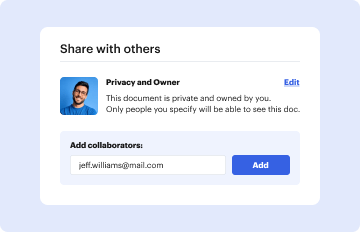
- Online Tools: Collaborative tools like DocHub support real-time document sharing and signing, enhancing digital meet and greets.
- Paper-Based Approach: Traditional events might rely on printed materials and handouts, though this is less adaptable than digital solutions.
Software Compatibility and Integration
For digital meet and greets, software compatibility is essential:
- DocHub Integration: Seamlessly works with cloud storage services and can handle multiple document formats for sharing during virtual sessions.
- Collaboration Platforms: Tools like Slack or Microsoft Teams can facilitate ongoing communication and document sharing.
By following these guidelines and using supporting technologies, the meet and greet format can be leveraged to optimize interactions in professional, educational, and social contexts.