



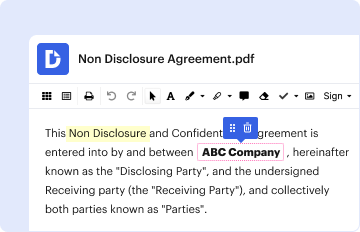
01. Edit your peace dollar checklist online
Type text, add images, blackout confidential details, add comments, highlights and more.

Type text, add images, blackout confidential details, add comments, highlights and more.
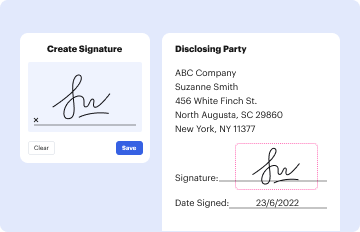
Draw your signature, type it, upload its image, or use your mobile device as a signature pad.
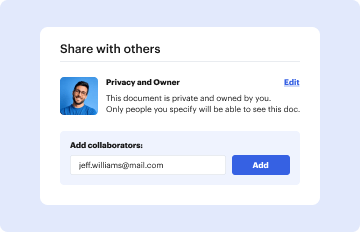
Send peace dollar checklist via email, link, or fax. You can also download it, export it or print it out.
The Peace Dollar checklist serves as a comprehensive guide for collectors, aiding in the organization and tracking of Peace Dollar coins minted from 1921 to 1935. These coins hold historical significance as they symbolize the peace following World War I. Collectors utilize this checklist to ensure they possess each unique date and mint mark variant, thereby completing their collection. The checklist not only functions as a record-keeping tool but also deepens the understanding of numismatic variations within this popular coin series.
Using the checklist involves marking off each Peace Dollar variant as collectors acquire them. Users can systematically track their acquisitions by noting the year, mint mark, and condition of each coin. The checklist provides sections for additional notes, allowing collectors to document the history or provenance of individual coins. This methodical approach ensures comprehensive coverage and helps avoid duplicate purchases, making collection management more efficient.
Acquire the Checklist: Obtain the checklist either digitally or in printed form from reliable numismatic sources like Littleton Coin Company.
Review Your Collection: Gather your existing coins to cross-reference with the checklist items.
Mark Acquired Coins: Check off each coin you currently own, detailing any specific attributes such as mint marks or notable defects.
Research Missing Coins: Identify which coins need to be acquired to complete the collection. Research marketplace options for purchasing or trading.
Document Details: For each coin, include condition grades and provenance details in the checklist notes section.
Periodically Update: As new coins are added, update the checklist to reflect the current status of your collection.
The checklist includes several critical elements for effective use:
Understanding key numismatic terms enhances the utility of the checklist:
A collector who recently inherited a collection might use the checklist to evaluate what pieces are present and which are missing. By organizing information about each coin's condition and historical notes, they can identify valuable items. Another scenario might involve a collector participating in an auction, utilizing the checklist to prioritize bidding on rare coins needed to fill gaps in their collection.
This checklist is predominantly used by numismatists, coin collectors, and hobbyists interested in American history or specializing in early 20th-century currency collections. Additionally, it serves educational purposes for those studying the economic and historical impacts of coinage from the post-World War I era.


Alongside the basic Peace Dollar checklist, some collectors may opt for expanded versions that include sections for historical context or valuations. Digital checklists, offered through apps or downloadable forms, often come with interactive features for real-time updates. Alternatives may provide specific sections for advanced studies, encompassing die varieties or errors that appeal to dedicated numismatists.
Collectors can acquire this checklist through numismatic supply companies, like Littleton Coin Company, which often provide it as part of their catalogues. It may also be available online in downloadable formats. Collectors conventions and coin shows frequently distribute printed versions as part of their registration packages, making them easily accessible to enthusiasts in attendance.
We've got more versions of the peace dollar checklist form. Select the right peace dollar checklist version from the list and start editing it straight away!
| Versions | Form popularity | Fillable & printable |
|---|---|---|
| 2009 | 4.6 Satisfied (36 Votes) |
At DocHub, your data security is our priority. We follow HIPAA, SOC2, GDPR, and other standards, so you can work on your documents with confidence.


