Definition and Meaning
The process of obtaining an appraisal for a used vehicle holds significant importance when it comes to tax purposes during specific transactions or events. Appraisal refers to the professional evaluation and estimation of a vehicle’s market value, often conducted by a certified appraiser. This valuation is essential for determining the accurate tax obligations related to buying, selling, or donating a used vehicle.
Importance for Tax Purposes
- Assessing Fair Market Value: An accurate appraisal ensures a fair market value assessment, which is crucial for determining tax liabilities.
- Documentation for Charitable Contributions: When donating a vehicle, the appraisal provides a certified evaluation, required by the IRS to claim deductions.
How to Use the Form for Vehicle Appraisal
Using the form to get your used vehicle appraised involves several steps:
- Obtain the Form: Access and download the appraisal form via official state websites or directly from authorized services like car dealerships or tax consultants.
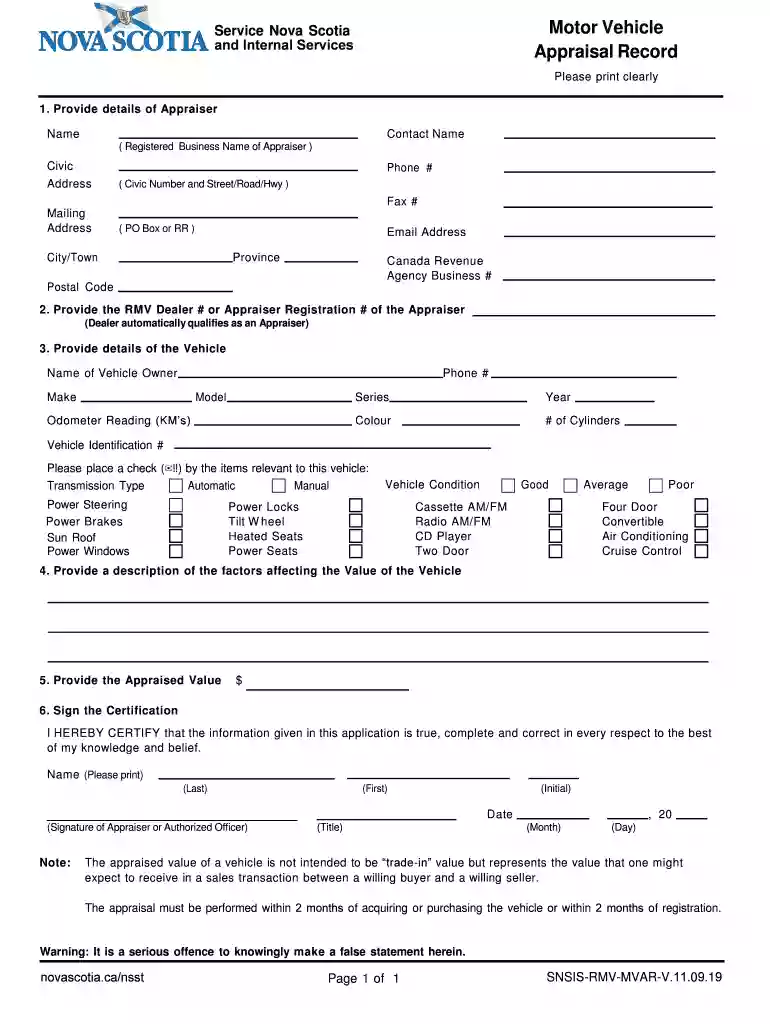
- Fill Out Vehicle Details: Provide detailed information about the vehicle, including make, model, year, VIN, and odometer reading.
- Consult a Certified Appraiser: A certified appraiser must be engaged to conduct an objective evaluation of the vehicle's condition and provide a value estimate.
- Submit for Review: Once filled and signed by the appraiser, submit the form as required for tax or legal purposes.
Example Scenarios
- Selling a Vehicle: Ensure that the selling price aligns with the market value to decide if taxable gains apply.
- Gifting a Vehicle: Used to determine if any gift tax implications arise based on the appraised value.
Steps to Complete the Appraisal Process
To accurately complete the appraisal process, follow these structured steps:
- Gather Necessary Information: Collect all relevant vehicle documents, including title, service records, and previous appraisals.
- Choose a Qualified Appraiser: Look for licensed professionals with proven expertise in vehicle appraisals.
- Schedule the Appraisal: Arrange a meeting with the appraiser to conduct a thorough inspection.
- Review the Appraisal Report: Examine the detailed report the appraiser provides, ensuring accuracy in the data and valuation.
Common Requirements
- Condition Report: An assessment of the vehicle’s physical and mechanical condition.
- Comparable Market Analysis: Evaluation against comparable vehicles in the current market.
Key Elements of a Vehicle Appraisal Form
A comprehensive vehicle appraisal form typically includes the following key elements:
- Appraiser Information: Details about the appraiser, including credentials and contact information.
- Vehicle Identification: Includes make, model, year, VIN, and any distinguishing features.
- Valuation Details: The final appraised value, including a breakdown of factors impacting valuation.
Additional Components
- Certification Statement: A declaration by the appraiser confirming the accuracy and objectivity of the appraisal.
- Photographic Evidence: Images of the vehicle to support the appraiser's assessment.
State-Specific Rules for Vehicle Appraisal
Different states may have unique requirements regarding vehicle appraisals for tax purposes:
- California: Additional emissions compliance checks may be necessary.
- Texas: Specific regulations around appraising vintage or classic vehicles.
- New York: Requirements may differ based on whether the appraisal is for a donation versus a sale.
Variations and Exceptions
- Some states may have exemptions for certain vehicle types or conditions.
- Tax laws may vary significantly impacting the appraisal process.
IRS Guidelines
The IRS provides guidelines to ensure the vehicle appraisals meet federal requirements for tax deductions:
- Qualified Appraisal Definition: Guidelines specify what constitutes a qualified appraisal and appraiser.
- Documentation: Requirements for maintaining copies of the appraisal and associated documents for tax filing purposes.
Example of Compliance
- Donation to a Qualified Organization: Must use the appraised value to claim a deduction on the donor's federal tax return.
Important Terms Related to Appraisal
Understanding specific terminology helps in navigating vehicle appraisals effectively:
- Fair Market Value (FMV): The price that a vehicle would sell for on the open market.
- Depreciation: Reduction in a vehicle’s value due to factors like age, mileage, and condition.
Glossary of Terms
- VIN (Vehicle Identification Number): A unique code used to identify individual motor vehicles.
- Appraisal Value: The value assigned to the vehicle based on expert evaluation.
Penalties for Non-Compliance
Failing to comply with appraisal requirements can result in significant penalties:
- Tax Penalties: Over- or under-reporting vehicle value can lead to IRS penalties.
- Legal Consequences: Misrepresentation of value for donation purposes can result in legal actions.
Preventative Measures
- Regularly review IRS publications for updated guidelines.
- Consult a tax professional when uncertain about appraisal results.
By diligently following these guidelines and understanding the appraisal process, individuals and businesses can ensure compliance and optimize tax efficiency related to vehicle valuations.