



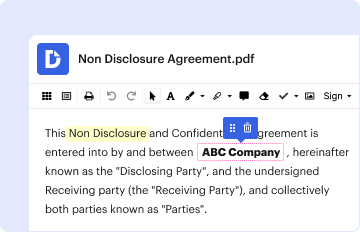
01. Edit your cf 2616 form online
Type text, add images, blackout confidential details, add comments, highlights and more.

Type text, add images, blackout confidential details, add comments, highlights and more.
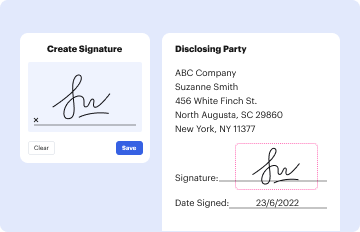
Draw your signature, type it, upload its image, or use your mobile device as a signature pad.
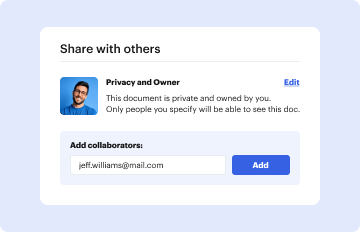
Send it via email, link, or fax. You can also download it, export it or print it out.
The CF 2616 form, utilized in Florida, is a formal charge document used to address allegations of unfair labor practices within the context of public employee relations. This form serves as a critical tool for individuals or entities, such as employees or unions, to formally file complaints with the Florida Public Employees Relations Commission. It details the procedural and substantive allegations against a union or any other involved party, ensuring transparency and accountability in the resolution of labor disputes.
To effectively use the CF 2616 form, it is important to understand its purpose and the specific requirements for accurate submission. The process begins with gathering relevant information and evidence, including the details of the unfair labor practice being alleged. Users should ensure that each section of the form is completed thoroughly, as incomplete or incorrect submissions may result in delays. This form can be submitted online or mailed to the Commission, depending on the filer's preference or access to digital resources. It is crucial to adhere to any specific guidelines regarding submission to ensure it is processed efficiently.
Identify the Parties Involved: Begin by clearly identifying the party filing the complaint and the party against whom the complaint is filed. This includes providing names, addresses, and contact details.
Detail the Allegations: Clearly outline the factual basis for the complaint. Describe the nature of the unfair labor practice, including dates, locations, and actions that led to filing this charge.
Gather Supporting Evidence: Attach any supporting documents, such as correspondence, contracts, or witness statements, to substantiate the claims.
Complete the Form Sections: Ensure that all mandatory fields are filled out accurately, including any specific codes or references required by the Florida Public Employees Relations Commission.
Review and Submit the Form: Carefully review the completed form for accuracy and completeness before submitting it. Consider retaining a copy for personal records.
The legal use of the CF 2616 form is governed by the statutes and regulations of the Florida Public Employees Relations Commission. When filed, the form initiates a legal process that can lead to investigations, hearings, and possible corrective actions if the allegations are substantiated. It is essential for users to understand the legal gravity of filing such a form, as it represents an official allegation against another party. Misuse or filing false claims can have serious legal repercussions.
Florida has specific rules governing the use and submission of the CF 2616 form. These include deadlines for filing after the occurrence of the unfair practice, specific guidelines for serving notice to involved parties, and requirements for submitting evidence. Understanding these state-specific nuances is crucial to ensure compliance and to increase the likelihood of a successful outcome in any legal proceedings.
Individuals may use the CF 2616 form in various scenarios involving public employment disputes. For instance, if a public sector worker believes they were retaliated against for union involvement, this form would be appropriate to address those grievances formally. Similarly, a union might use the form to challenge unilateral changes made by an employer to collective bargaining agreements without negotiation.
Failure to comply with the submission guidelines or mandates of the CF 2616 form can result in penalties, including dismissal of the charge or a note of non-compliance in the filer's record. It is vital for users to adhere strictly to requirements and deadlines to avoid adverse consequences. The Florida Public Employees Relations Commission may also impose certain procedural penalties if the form is not completed accurately or submitted within the stipulated time frames.
We've got more versions of the cf 2616 form form. Select the right cf 2616 form version from the list and start editing it straight away!
At DocHub, your data security is our priority. We follow HIPAA, SOC2, GDPR, and other standards, so you can work on your documents with confidence.
F C Co e. Sediment from gasoline spill sites at Boca Raton, Florida; the most contaminated well at gasoline spills in California, Florida, North Carolina,
While use of this form is optional, this form asks the health care provider for the information necessary for a complete and sufficient medical certification,
Case No. 1999-CF-2616 Armed Burglary of a Dwelling (first degree/life felony) all sentences to run concurrently and with pre-sentence jail credit of 104 days


