




01. Edit your form online
Type text, add images, blackout confidential details, add comments, highlights and more.

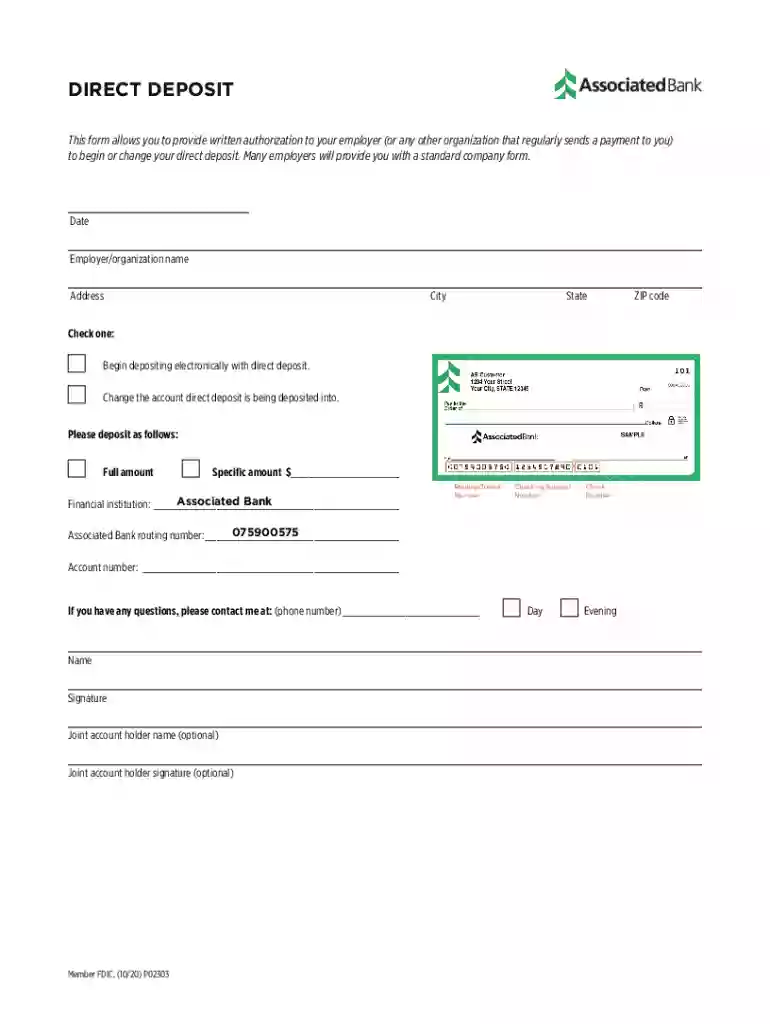
Type text, add images, blackout confidential details, add comments, highlights and more.

Draw your signature, type it, upload its image, or use your mobile device as a signature pad.

Send it via email, link, or fax. You can also download it, export it or print it out.
The 6 5 5 Return-to-Duty Process refers to a structured procedure designed to guide employees in returning to their duties after a period of absence due to regulatory compliance issues. This process is essential in ensuring that employees meet all necessary standards and are deemed fit to resume their roles. It often includes various testing components to assess the individual's readiness and ensure their re-entry into the workplace aligns with organizational and legal regulations.
Using the 6 5 5 Return-to-Duty Process involves understanding the specific steps and elements required to facilitate a smooth return to work. Collaboration between employees, employers, and sometimes third-party evaluators is crucial.
The completion of the 6 5 5 Return-to-Duty Process requires systematic adherence to laid-out steps. These steps ensure thorough compliance with regulations and support the employee's smooth transition back to the workplace.
Understanding specific terminology associated with the 6 5 5 Return-to-Duty Process is vital for all stakeholders involved. Knowledge of these terms ensures accurate interpretation and implementation of the process.
This process comprises several key elements designed to optimize an employee's return to work. Understanding these elements ensures all necessary aspects are covered.
Being aware of the legal framework surrounding the 6 5 5 Return-to-Duty Process is crucial. Compliance with legal standards protects both the employee and the organization.
This process is often utilized by specific groups who need to comply with regulated return-to-work protocols. Understanding who typically uses this process can help tailor it effectively.


Illustrating the use of the 6 5 5 Return-to-Duty Process through real-world scenarios provides insight into its practical application and benefits.
Different states may have varied regulations influencing how the 6 5 5 Return-to-Duty Process is implemented. Understanding these differences is crucial for compliance.
We've got more versions of the 6 5 5 Return-to-Duty Process and Testing (Under Direct form. Select the right 6 5 5 Return-to-Duty Process and Testing (Under Direct version from the list and start editing it straight away!
At DocHub, your data security is our priority. We follow HIPAA, SOC2, GDPR, and other standards, so you can work on your documents with confidence.
A return-to-duty test can be used as a pre-employment test when a pre-employment test is required and the new employer would be required to conduct both testsRead more
Return-to-duty tests require direct observation as prescribed in 49 CFR 40.67. They are only required after an employee has completed the return-to-duty
Apr 26, 2022 Direct push methods provide useful methods for sampling of soils, unconsolidated formations, groundwater and soil gas in many settings.Read more


