




01. Edit your form online
Type text, add images, blackout confidential details, add comments, highlights and more.

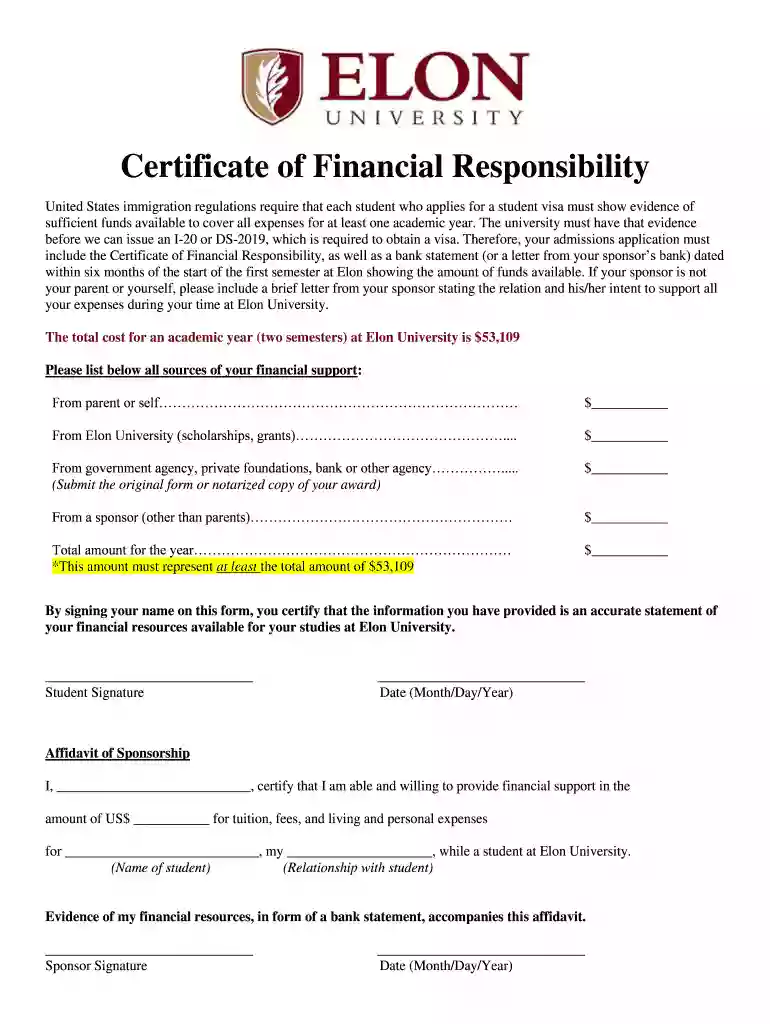
Type text, add images, blackout confidential details, add comments, highlights and more.

Draw your signature, type it, upload its image, or use your mobile device as a signature pad.

Send it via email, link, or fax. You can also download it, export it or print it out.
The SEVPs (Student and Exchange Visitor Program) governing regulations for students and schools pertain to the guidelines set forth by U.S. Immigration and Customs Enforcement (ICE) regarding the management of international students in the United States. These regulations aim to ensure that international students maintain their student status while enrolled in educational institutions, and they outline the responsibilities of both students and schools in maintaining compliance with U.S. immigration laws.
Understanding how to effectively apply these regulations is crucial for international students and their host institutions. The guidelines can be used as a manual to ensure compliance with federal immigration policies.
For Students:
For Schools:
Navigating these regulations requires a step-by-step approach to ensure full compliance.
Gather Necessary Information:
SEVIS Enrollment and Reporting:
Regular Audits:
Securing the correct documentation is paramount for compliance with SEVPs regulations.
For Students:
For Schools:
The legal application of these regulations is essential to ensuring that both students and schools adhere to immigration policies.
These regulations are primarily utilized by:


Familiarity with key terms helps stakeholders navigate the regulatory framework more effectively.
The methods available for submitting necessary documentation under these regulations vary.
Online Submissions:
In-Person Submissions:
Understanding the repercussions of failing to adhere to these regulations is critical.
Practical examples illustrate how these regulations function in real-world scenarios.
Each section above provides clarity on the SEVPs governing regulations, aiding students, institutions, and officials in understanding and adhering to U.S. immigration laws and educational guidelines.
We've got more versions of the SEVPs governing regulations for students and schoolsICE form. Select the right SEVPs governing regulations for students and schoolsICE version from the list and start editing it straight away!
At DocHub, your data security is our priority. We follow HIPAA, SOC2, GDPR, and other standards, so you can work on your documents with confidence.
Jul 31, 2025 Call the SEVP Response Center at 1 (800) 892-4829 between 8 a.m. and 6 p.m. EST. Temporary absence. course load must consist of at least six
The University is required to report certain information about SEVP students to ICE, and ICE may come to UC campuses to meet with SEVP students and /orRead more


