







Definition & Meaning
The "Unlawful Detainer Packet - Seminole County Clerk of Court" is a legal document set used primarily in eviction proceedings initiated by landlords against tenants who remain on the property without legal right or consent. This packet includes all necessary forms and instructions to initiate an unlawful detainer action in the Seminole County civil court system. Unlawful detainer actions are a specific type of eviction lawsuit aimed at regaining possession of a rental property from a tenant or occupant who has overstayed their welcome post-lease expiration or violated lease terms extensively.
Key Components
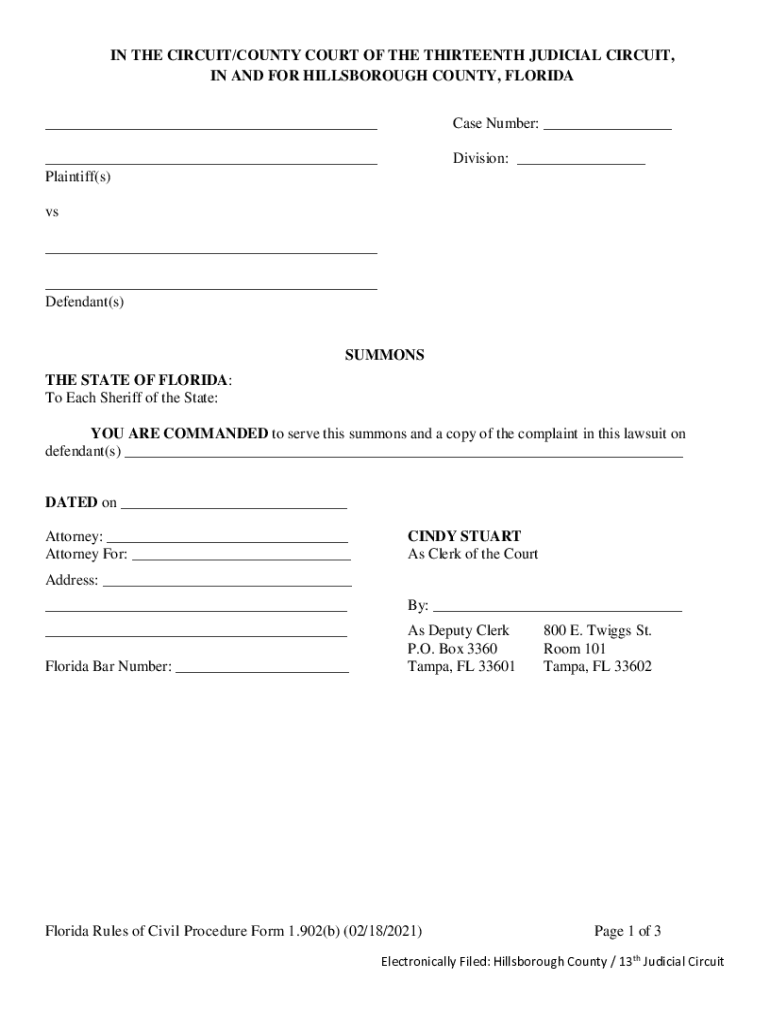
- Summons and Complaint Forms: These are the primary legal documents filed to start the eviction process. They notify the tenant of the lawsuit and outline the grounds for eviction.
- Instructions for Service: Guidelines detailing how the eviction documents should be officially delivered to the tenant to ensure compliance with legal procedures.
- Final Judgment Forms: These forms, if the case proceeds to this stage, are used by the court to rule in favor or against the landlord’s case for eviction.
How to Use the Unlawful Detainer Packet - Seminole County Clerk of Court
Using the Unlawful Detainer Packet involves a series of procedural steps that must be followed to ensure the eviction process is legally sound.
Step-by-Step Instructions
- Identify the Grounds for Eviction: Before using the packet, ensure that there are valid grounds for eviction, such as lease expiration, rent non-payment, or lease breach.
- Complete the Complaint Form: Fill out the complaint form with specific details about the tenant and reasons for eviction.
- Serve the Summons: Utilize the instructions provided to properly serve the tenant with the summons and complaint, following the legal service protocols.
- File with the Clerk’s Office: Submit the completed forms to the Seminole County Clerk of Court along with any required filing fees.
- Attend the Court Hearing: If the tenant contests the eviction, attend the scheduled court hearing to present evidence.
- Obtain a Final Judgment: Should the court rule in favor of the landlord, use the final judgment forms included in the packet to finalize the eviction process.
Who Typically Uses the Unlawful Detainer Packet - Seminole County Clerk of Court
Landlords and property managers are the primary users of the Unlawful Detainer Packet. These individuals seek to regain possession of their rental properties due to tenant non-compliance.


Common Users
- Property Owners: Individuals or companies owning residential properties aiming to enforce lease agreements.
- Property Management Companies: Entities overseeing rental properties on behalf of owners who handle eviction processes.

Key Elements of the Unlawful Detainer Packet - Seminole County Clerk of Court
Understanding the components of the packet is vital for proper use.
Main Documents
- Complaint for Unlawful Detainer: Required to initiate the legal action.
- Affidavit of Service: Confirms the tenant has been formally notified of the eviction process.
- Notice of Hearing: Provides details of the court hearing if the tenant disputes the eviction.
Instructions
- Filing Instructions: Step-by-step guide on submitting the forms correctly and complying with local procedures.
Legal Use of the Unlawful Detainer Packet - Seminole County Clerk of Court
This packet is used within the legal framework provided by Seminole County and the state of Florida.
Compliance and Legality
- Court Jurisdiction: Only applicable in Seminole County and must comply with Florida eviction laws.
- Legal Representation: Although landlords can represent themselves, legal advice is often recommended.
State-Specific Rules for the Unlawful Detainer Packet - Seminole County Clerk of Court
Each state, and sometimes county, has specific rules regarding unlawful detainer actions.
Florida-Specific Requirements
- Notice Period: Florida law dictates specific notice periods for various eviction reasons, such as three-day notices for non-payment of rent.
- Document Filing: Must be filed in accordance with Seminole County procedural rules, including potential e-filing requirements.
How to Obtain the Unlawful Detainer Packet - Seminole County Clerk of Court
The packet is accessible through specific channels to ensure it is the latest version.
Acquisition Methods
- Clerk of Court Office: Physical packets can often be obtained directly at the Seminole County Clerk of Court office.
- Online Access: The packet might be available on the official Seminole County Clerk of Court website for download.
Important Terms Related to Unlawful Detainer Packet - Seminole County Clerk of Court
Legal terms related to unlawful detainer actions can aid in understanding and completing the process.
Glossary
- Plaintiff: The landlord or property owner initiating the eviction.
- Defendant: The tenant or occupant against whom the eviction is sought.
- Affidavit: A written statement confirmed by oath or affirmation for use as evidence in court.
By following these guidelines and understanding the components and requirements of the Unlawful Detainer Packet, users can effectively navigate the eviction process within the legal framework of Seminole County, Florida.




