




Here's how it works
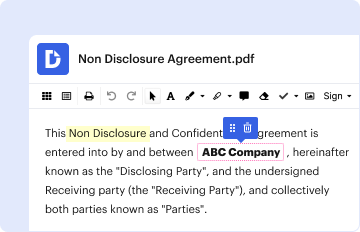
01. Edit your form online
Type text, add images, blackout confidential details, add comments, highlights and more.
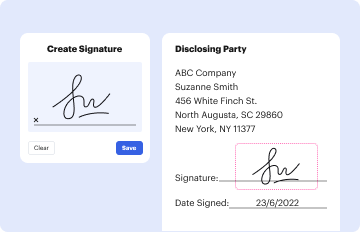
02. Sign it in a few clicks
Draw your signature, type it, upload its image, or use your mobile device as a signature pad.

03. Share your form with others
Send it via email, link, or fax. You can also download it, export it or print it out.
How to use or fill out Unlawful Detainer Landlord-Tenant Superior Court of CA

- Click ‘Get Form’ to open it in the editor.
- Begin by entering the case number at the top of the form. This is essential for identifying your case within the court system.
- Fill in the names of the plaintiff (landlord) and defendant (tenant) in their respective fields. Ensure that all names are spelled correctly to avoid any legal issues.
- Provide the address of the rental property, including street address, apartment/unit number, and city. This information is crucial for clarity regarding which property is involved.
- Select one of the options regarding tenant occupancy: whether they will move out, stay, or have already moved out. Each option has specific implications for both parties.
- Complete sections related to financial agreements, including any past due rent or attorney fees. Be precise with amounts and ensure all parties agree on these terms.
- Review additional terms and conditions carefully before signing. Make sure all parties understand their rights and obligations under this stipulation.
Start using our platform today to streamline your document editing and ensure a smooth process!
Fill out Unlawful Detainer Landlord-TenantSuperior Court of CA online
It's free
It's free
See more Unlawful Detainer Landlord-TenantSuperior Court of CA versions
We've got more versions of the Unlawful Detainer Landlord-TenantSuperior Court of CA form. Select the right Unlawful Detainer Landlord-TenantSuperior Court of CA version from the list and start editing it straight away!
Got questions?
We have answers to the most popular questions from our customers. If you can't find an answer to your question, please contact us.
Contact us
How long does it take to answer unlawful detainer in California?
How much time do you have? You must act quickly. You have 10 days to file an Answer form or other legal forms after youre handed (served) the Summons and Complaint forms. Dont count Saturdays, Sundays, or court holidays.
What is an unlawful detainer in the Superior court of California?
An Unlawful Detainer action is a special court proceeding. It is a legal way to evict someone from the place where they live or work. This usually happens when a tenant stays after the lease is expired, the lease is canceled, or the tenant has not paid their rent.
What is the quickest I can be evicted in California?
Eviction is a legal process a landlord uses to make you move out. To evict you, your landlord must give you a 3, 30, 60 or 90-day notice. If you get one of these, its important that you take action, like pay the rent you owe, move out, or get legal help.
Can a landlord evict you immediately in California?
To evict you, your landlord must give you a 3, 30, 60 or 90-day notice. If you get one of these, its important that you take action, like pay the rent you owe, move out, or get legal help.
What is the timeline for unlawful detainer in California?
Shortest Possible Timeline: ~3045 days if the tenant does not contest the eviction. Average Timeline: 6090 days, factoring in tenant responses, court delays, and sheriff availability. Extended Timeline: 36 months if the tenant appeals, requests a Stay of Execution, or legal complexities arise.
Security and compliance
At DocHub, your data security is our priority. We follow HIPAA, SOC2, GDPR, and other standards, so you can work on your documents with confidence.
Learn more


People also ask
What is the burden of proof for unlawful detainer in California?
The landlord or plaintiff has the legal burden providing proof and evidence in unlawful detainer cases. They must show preponderance of evidence establishing: Valid rental agreement exists. Tenant violated material term.
How long does the eviction process usually take in CA?
If you dont do what the Notice says, your landlord can start a court case to ask a judge to order you to move out. After the landlord gives you the Notice, it can take 30 to 45 daysor longerfor the judge to decide.
How long does an unlawful detainer action take in California?
Evictions can take 30 to 45 days or more. The time starts when you have court papers delivered to the tenant and ends when they must move out.