
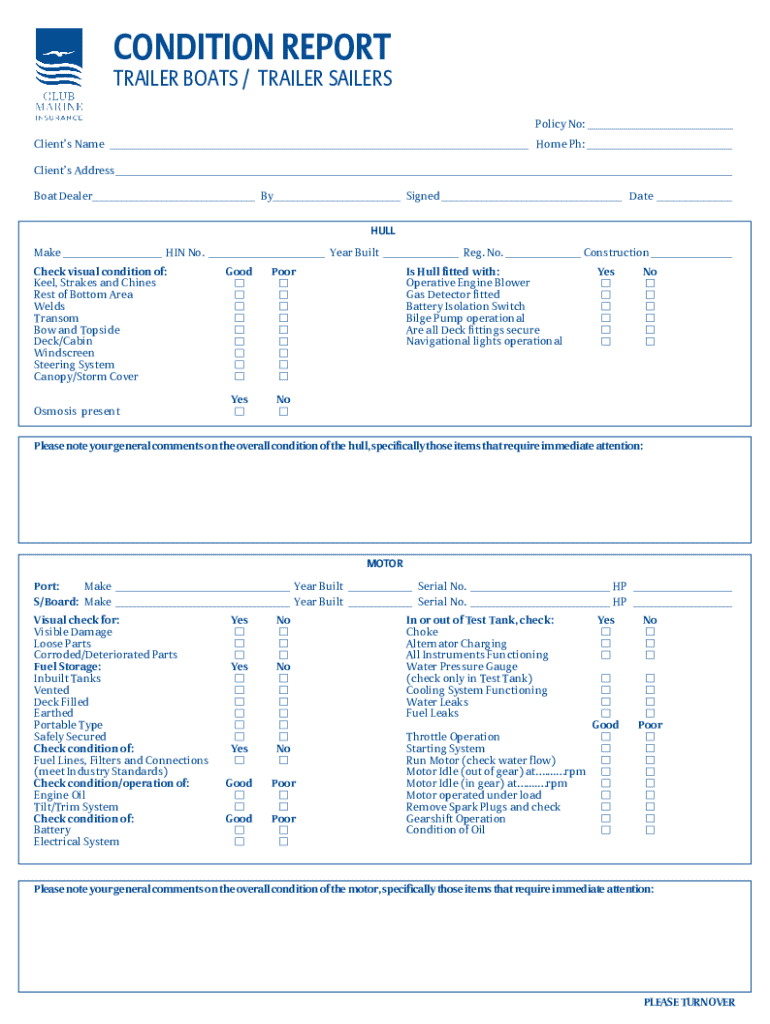







Understanding "My Boat Was Towed from My Driveway by the HOA"
When dealing with a situation where your boat is towed by the Homeowners Association (HOA) from your driveway, it is crucial to comprehend the fundamental terms and implications involved. In the U.S., HOAs have the authority to regulate various aspects within a community, including parking and property use. It's essential to know your HOA's specific bylaws and regulations regarding vehicle storage, especially if they concern boats or trailers. Such understanding may prevent avoidable conflicts and provide a foundation for addressing any disputes.
How to Use the Notification Form
If your boat has been towed by the HOA, utilizing the notification form properly is pivotal. This form typically serves as a formal channel for communication between you and the HOA. Start by accurately filling in your personal information and details of the incident, including the date and time of towing. Clearly mention any observed regulations or agreement sections that you believe were upheld or violated. Submitting this form enables you to officially contest the action or seek clarification about the incident from the HOA.
Steps to Obtain the Notification Form from Your HOA
To procure the "My Boat Was Towed from My Driveway by the HOA" form, you can use several methods. Initially, contact the HOA office directly, either through a phone call or email, to request the form. Often, HOAs maintain an online portal where residents can download necessary forms. Check the HOA's official website or portal for such resources. If those options are unavailable, visiting the HOA office in person is another reliable option.
Key Elements of the HOA Notification Form
The notification form contains several crucial elements you should meticulously address. These include:
- Personal Information: Your name, address, and contact details.
- Incident Details: Specifics about the towing, such as date, time, and location.
- Reference to HOA Bylaws: Mention specific rules regarding vehicle storage.
- Statement of Concern: A brief explanation of your position or request.
- Signature and Date: Your signature alongside the submission date.
Providing all these details accurately ensures your submission is complete and more likely to receive a comprehensive response.
Legal Considerations and State-Specific Rules
In the U.S., state-specific laws can influence how HOAs operate concerning towing vehicles. Some states have stringent regulations about towing protocols, requiring prior notice to the vehicle owner or specific signage about towing policies. Familiarize yourself with the state-specific laws where you reside, as they can support your case if you believe the towing was unjustified. Legal advice may also be sought to explore options if state laws were potentially violated.
Examples of Disputes Over Towing by HOAs
Consider real-world scenarios where boat owners faced disputes with their HOA over towing incidents. In some cases, owners successfully contested towing by showing evidence that the HOA did not provide adequate notice or had outdated regulations. For instance, a boat owner proved that the community bylaws, which restricted boat parking, were never duly voted upon by the community members, rendering the rules ineffective.
Penalties for Non-Compliance with HOA Rules
Non-compliance with HOA rules can lead to penalties beyond just the towing incident. These can include fines, additional towing and storage fees, or even legal actions if the situation escalates. Staying informed about the community's bylaws, attending HOA meetings, and keeping open communication lines with the HOA can mitigate the risk of such penalties.
Who Typically Uses the Notification Forms
Notification forms in such cases are predominantly used by homeowners who live in HOA-managed communities. They serve those who own vehicles or vessels subject to storage and parking regulations under the HOA's governance. These forms aid in resolving disputes, seeking clarifications, or submitting formal complaints regarding actions taken by the HOA.


Submission Methods for the Form
Submitting the notification form can often be done through multiple avenues:
- Online Submission: Many HOAs provide digital submission portals for convenience.
- Mail: Forms can be sent via postal service, ensuring delivery confirmation.
- In-Person: You may submit forms directly at the HOA office, which facilitates immediate processing and provides an opportunity for face-to-face communication.
Utilizing the appropriate method based on your HOA's processes ensures your notification is received and acknowledged promptly.




