Transfer on Death Plan Kit 2026

Get Form
Transfer on Death Plan Kit Preview on Page 1

Here's how it works

01. Edit your form online
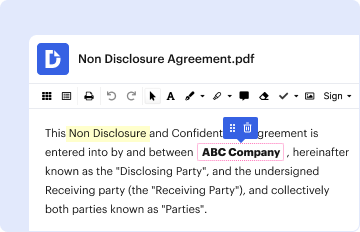
Type text, add images, blackout confidential details, add comments, highlights and more.
02. Sign it in a few clicks
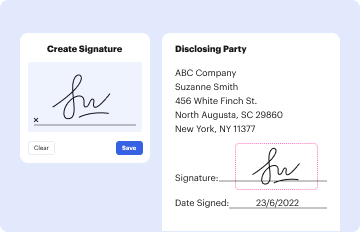
Draw your signature, type it, upload its image, or use your mobile device as a signature pad.
03. Share your form with others
Send it via email, link, or fax. You can also download it, export it or print it out.

How to use or fill out Transfer on Death Plan Kit with our platform

Form edit decoration
9.5
Ease of Setup
DocHub User Ratings on G2
9.0
Ease of Use
DocHub User Ratings on G2
  1. Click ‘Get Form’ to open the Transfer on Death Plan Kit in the editor.
  2. Begin by entering the policy number(s) and the insured's name in the designated fields. Ensure accuracy as this information is crucial for processing.
  3. Fill out the owner’s name(s) and their Social Security Number or Taxpayer Identification Number. This identifies who holds the policy.
  4. In the beneficiaries section, provide each beneficiary's full name, Social Security Number, birth date, and relation to the insured. This information is mandatory for all beneficiaries.
  5. Specify shares for each beneficiary if applicable, along with their preferred settlement options from the provided list.
  6. Complete the signatures section by having all required parties sign and date the form. Remember that an irrevocable beneficiary must also sign if previously designated.
  7. Once completed, save your document and follow instructions to email or fax it to AAFMAA for processing.

Start using our platform today to easily complete your Transfer on Death Plan Kit online for free!

See more Transfer on Death Plan Kit versions

We've got more versions of the Transfer on Death Plan Kit form. Select the right Transfer on Death Plan Kit version from the list and start editing it straight away!
Versions Form popularity Fillable & printable
2015 4.4 Satisfied (59 Votes)
2013 4.4 Satisfied (48 Votes)
be ready to get more

Complete this form in 5 minutes or less

Get form

Got questions?

We have answers to the most popular questions from our customers. If you can't find an answer to your question, please contact us.
Contact us
If youre thinking about ways to keep your home out of probate, and TOD deeds are an available option in your state, they are well worth considering. Unless you have a complex situation or have specific concerns, you likely wont need a lawyer to create a TOD deed.
Self-filing the deed without an attorney is the most economical option for transferring real property title. However, it requires careful attention to detail. The Registers Office wont provide assistance or highlight mistakes in the paperwork.
You can obtain one from an online search for Beneficiary Deed or Transfer on Death Deed or often from the same Recorders Office that holds copies of the deeds. Ensure that you find one for the state where the property is located. Complete the form, being specific about the beneficiaries.
A transfer-on-death (TOD) arrangement is an estate planning tool that allows account owners to transfer assets from bonds, brokerage accounts, and stocks without going through probate proceedings. However, TOD does not avoid taxes.
Probate and how it affects property transfer But, if the property is in the name of the decedent, then the property will need to be transferred as part of the probate court process. The probate process can take anywhere from a few months to a year or more.

Security and compliance

At DocHub, your data security is our priority. We follow HIPAA, SOC2, GDPR, and other standards, so you can work on your documents with confidence.

Learn more
ccpa2
pci-dss
gdpr-compliance
hipaa
soc-compliance
be ready to get more

Complete this form in 5 minutes or less

Get form

People also ask

Beneficiary Liability: A beneficiary named in a TOD deed becomes personally liable for the property owners unsecured debts up to the value of the property received. This result may have been unintended by the owner and as an unpleasant surprise to the beneficiary.

Related links