




Here's how it works
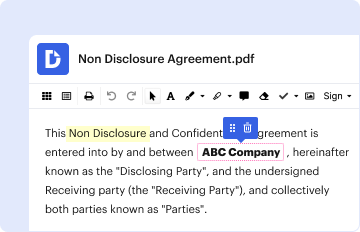
01. Edit your form online
Type text, add images, blackout confidential details, add comments, highlights and more.
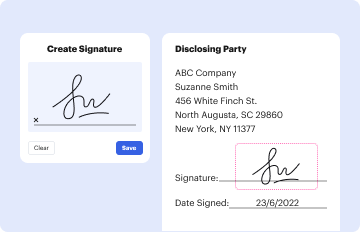
02. Sign it in a few clicks
Draw your signature, type it, upload its image, or use your mobile device as a signature pad.
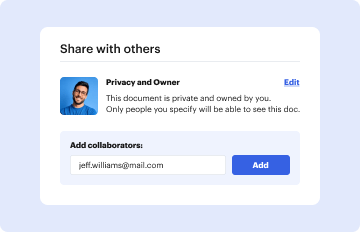
03. Share your form with others
Send it via email, link, or fax. You can also download it, export it or print it out.
How to use or fill out VERMONT MUTUAL GROUP PERSONAL UMBRELLA RENEWAL QUESTIONNAIRE with our platform

- Click ‘Get Form’ to open the VERMONT MUTUAL GROUP PERSONAL UMBRELLA RENEWAL QUESTIONNAIRE in the editor.
- Begin by entering your policy number and expiration date at the top of the form. This information is crucial for identifying your existing coverage.
- Fill in today’s date and your agency details. This helps maintain accurate records for your renewal process.
- Provide the named insured's name and address, along with occupation details. If applicable, include your spouse's occupation as well.
- List all primary insurance policies you currently hold, including homeowners and auto liability. Be sure to include policy numbers and periods for each.
- Complete the driver information section for all new drivers in your household, ensuring to include their names, dates of birth, and driver's license details.
- Answer the yes/no questions regarding changes in residences or vehicles over the past two years. Provide explanations for any 'Yes' responses in the space provided.
- Finally, review all entries for accuracy before signing at the bottom of the form. Ensure that you attach any required documents such as SDIP reports.
Start filling out your VERMONT MUTUAL GROUP PERSONAL UMBRELLA RENEWAL QUESTIONNAIRE online for free today!
Fill out VERMONT MUTUAL GROUP PERSONAL UMBRELLA RENEWAL QUESTIONNAIRE online
It's free
It's free
See more VERMONT MUTUAL GROUP PERSONAL UMBRELLA RENEWAL QUESTIONNAIRE versions
We've got more versions of the VERMONT MUTUAL GROUP PERSONAL UMBRELLA RENEWAL QUESTIONNAIRE form. Select the right VERMONT MUTUAL GROUP PERSONAL UMBRELLA RENEWAL QUESTIONNAIRE version from the list and start editing it straight away!
| Versions | Form popularity | Fillable & printable |
|---|---|---|
| 2007 | 4 Satisfied (34 Votes) |
Got questions?
We have answers to the most popular questions from our customers. If you can't find an answer to your question, please contact us.
Contact us
Is Vermont Mutual a good home insurance company?
Wards Top 50 Vermont Mutual has long been recognized as a Top 50 performing insurance company by Ward Group, a leading provider of benchmarking and best practices studies for insurance companies. The distinction for Vermont Mutual was one that was years in the making.
What is covered under a personal umbrella policy?
Personal liability cover will cover you if you are held legally responsible to compensate someone for their loss. Whether its medical bills or the repairing or replacement of their things. It will also cover the cost of your legal fees.
What does my personal umbrella cover?
In addition to covering medical bills and property damage, an umbrella insurance policy may cover slander, libel, defamation, and the lawsuit costs.
What is not covered under an umbrella policy?
You should have an umbrella policy if you plan to have any income. Thats because your wages can be garnished to pay out a court claim, for the rest of your life, and a wrongful death suit or even a disability suit can easily be hundreds of thousands of dollars.
What is not covered by my personal umbrella policy?
An umbrella policy gives you additional liability coverage. This can help cover the cost of injury to others or damage to their property. It does not cover damage to your own home, car or possessions.
Security and compliance
At DocHub, your data security is our priority. We follow HIPAA, SOC2, GDPR, and other standards, so you can work on your documents with confidence.
Learn more


People also ask
Can you be denied umbrella insurance?
As with any insurance policy, Umbrella Claims may be denied under certain circumstances. The most common reasons for denial include policy exclusions, failure to meet policy conditions, or disputes over coverage interpretation.