




Here's how it works
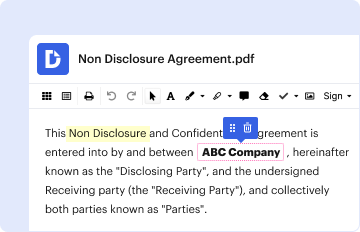
01. Edit your attorney fee voucher online
Type text, add images, blackout confidential details, add comments, highlights and more.
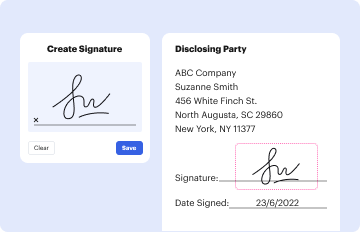
02. Sign it in a few clicks
Draw your signature, type it, upload its image, or use your mobile device as a signature pad.

03. Share your form with others
Send texas attorney fee voucher via email, link, or fax. You can also download it, export it or print it out.
How to use or fill out Attorney Fee Voucher - Bell County Texas with our platform

- Click ‘Get Form’ to open the Attorney Fee Voucher in the editor.
- Begin by filling in the 'Jurisdiction' section, selecting the appropriate county court and district relevant to your case.
- Enter the 'Cause Number' and specify the type of proceedings, such as Trial – Jury or Plea – Bargain.
- In the 'In the Case of' section, provide the full case title, including both parties involved.
- Indicate the 'Case Level' by selecting from options like Felony or Misdemeanor.
- Fill in your personal details: Attorney Full Name, State Bar Number, Address, Telephone, and Fax.
- Detail your services by entering rates and hours for both In Court and Out of Court Services.
- Complete any additional expenses related to Investigators or Expert Witnesses as applicable.
- Provide a time period for services rendered and any additional comments if necessary.
- Finally, certify your information by signing in the designated area before submitting your completed voucher.
Start using our platform today to fill out your Attorney Fee Voucher easily and for free!
Fill out Attorney Fee Voucher - Bell County Texas online
It's free
It's free
See more Attorney Fee Voucher - Bell County Texas versions
We've got more versions of the Attorney Fee Voucher - Bell County Texas form. Select the right Attorney Fee Voucher - Bell County Texas version from the list and start editing it straight away!
| Versions | Form popularity | Fillable & printable |
|---|---|---|
| 2009 | 4.8 Satisfied (100 Votes) |
Got questions?
We have answers to the most popular questions from our customers. If you can't find an answer to your question, please contact us.
Contact us
What are the exceptions to the American Rule?
There are four exceptions to the American Rule where a prevailing party may be awarded attorneys fees: (1) the parties to a contract have an agreement to that effect, (2) there is a statute that allows the imposition of such fees, (3) the wrongful conduct of a defendant forces a plaintiff into litigation with a third
What is equalization of attorney fees in Texas?
Equalizing Attorney Fees In addition to awarding attorney fees, Texas courts may order what is known as an equalization of fees. This approach requires that whenever the controlling party makes a payment to their own attorney, they must make an equivalent payment to the other partys attorney.
When can you get attorneys fees in Texas?
Texas Civil Practice and Remedies Code 38.001: If your lawsuit involves a bdocHub of contract, you may be able to recover attorneys fees under this statute. To be eligible, the claimant must prevail on a claim for services rendered, labor performed, materials furnished, or an oral or written contract.
How much do attorneys charge in Texas?
Hourly rates in Texas Lawyers in Texas typically charge between $127 and $495 per hour, with the average being $345.
Are attorneys fees recoverable in Texas?
Under 38.001 of the Texas Civil Practice and Remedies Code, a party may recover reasonable attorneys fees if they prevail on a bdocHub of contract claim, regardless of whether the contract itself includes an attorneys fees provision.
Security and compliance
At DocHub, your data security is our priority. We follow HIPAA, SOC2, GDPR, and other standards, so you can work on your documents with confidence.
Learn more


People also ask
What is the rule 1.04 F in Texas?
As stated in Rule 1.04(f)(3), all fees must follow Rule 1.04(a). This rule provides: A lawyer shall not enter into an arrangement for, charge, or collect an illegal fee or unconscionable fee. A fee is unconscionable if a competent lawyer could not form a reasonable belief that the fee is reasonable.
What is the American rule for attorneys fees in Texas?
Texas, like many other states, follows the American Rule, meaning the plaintiff and defendant each pay their own attorneys fees.
Can you sue for attorney fees in Texas?
Code 38.001) The statute provides that a person can recover reasonable attorneys fees from an individual or corporation if the claim relates to contracts or payment for services. There are several limitations contained in this language. First, the statute allows recovery only by the prevailing claimant.