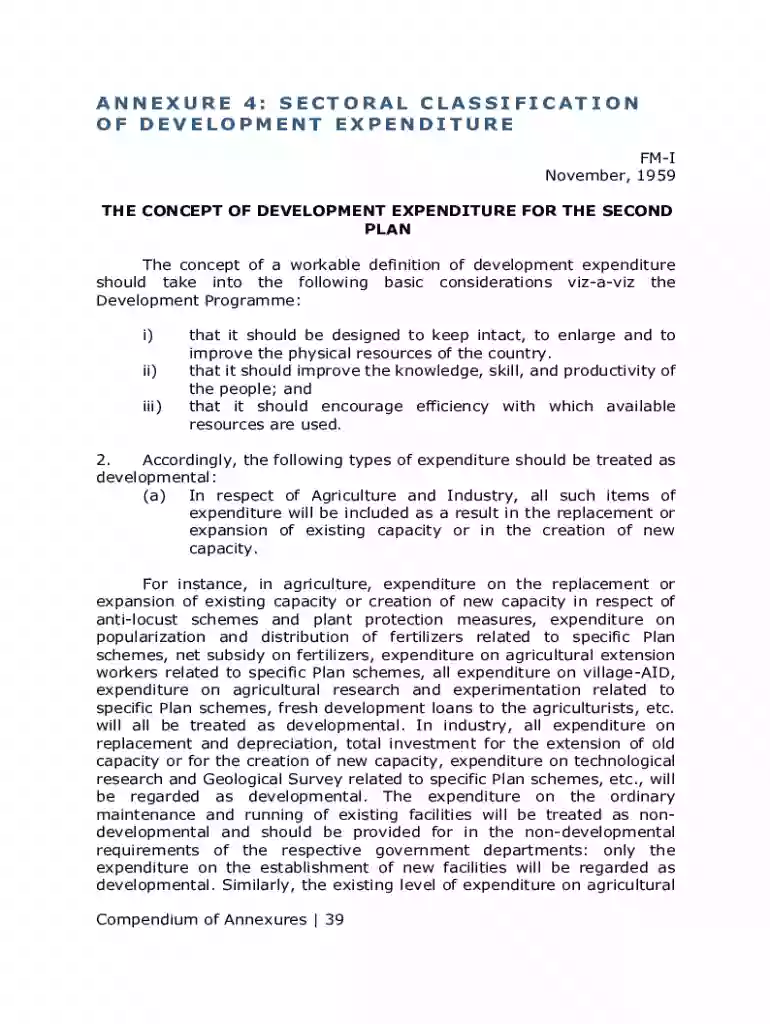
(PDF) Building for the Next 100 Years Nestl India Limited 2026

Get Form
(PDF) Building for the Next 100 Years Nestl India Limited Preview on Page 1

Here's how it works

01. Edit your form online
Type text, add images, blackout confidential details, add comments, highlights and more.

02. Sign it in a few clicks
Draw your signature, type it, upload its image, or use your mobile device as a signature pad.

03. Share your form with others
Send it via email, link, or fax. You can also download it, export it or print it out.

How to use or fill out (PDF) Building for the Next 100 Years Nestl India Limited with Our Platform

Form edit decoration
9.5
Ease of Setup
DocHub User Ratings on G2
9.0
Ease of Use
DocHub User Ratings on G2
  1. Click ‘Get Form’ to open the document in our editor.
  2. Begin by reviewing the introduction section, which outlines the purpose of development expenditure. Familiarize yourself with key concepts that will guide your understanding of subsequent sections.
  3. Move to the main body where you will find various categories of developmental expenditures. Use text boxes to input relevant data or comments as needed, ensuring clarity and precision.
  4. In the appendix section, identify and categorize expenditures according to Major and Minor Heads. Utilize checkboxes or dropdowns provided in our platform to select appropriate classifications.
  5. Once all fields are completed, review your entries for accuracy. You can easily edit any section by clicking on it directly within our editor.
  6. Finally, save your changes and download the completed document for your records or share it directly from our platform.

Start using our platform today for free and streamline your document editing experience!

See more (PDF) Building for the Next 100 Years Nestl India Limited versions

We've got more versions of the (PDF) Building for the Next 100 Years Nestl India Limited form. Select the right (PDF) Building for the Next 100 Years Nestl India Limited version from the list and start editing it straight away!
Versions Form popularity Fillable & printable
1959 4.9 Satisfied (32 Votes)
be ready to get more

Complete this form in 5 minutes or less

Get form

Got questions?

We have answers to the most popular questions from our customers. If you can't find an answer to your question, please contact us.
Contact us
Nestl India Future Growth Nestl India is forecast to grow earnings and revenue by 10.1% and 8.5% per annum respectively. EPS is expected to grow by 10.1% per annum. Return on equity is forecast to be 74.9% in 3 years.
Nestl has committed to docHubing net zero greenhouse gas (GHG) emissions by 2050. We are proud of the progress made so far, while also recognizing that there is much work still to be done. By the end of last year we achieved a 20.38% net reduction of GHG emissions versus our 2018 baseline.
According to Wall Street analysts, the average 1-year price target for NESTLEIND is 1 243.39 INR with a low forecast of 1 020.1 INR and a high forecast of 2 257.5 INR.
How does Nestle Indias 10 Year Price Total Return benchmark against competitors? Name10 Year Price Total Return Consumer Staples 131.7% Mrs Bectors Food Specialities Ltd 136.0% AVT Natural Products Ltd 176.6% Nestle India Ltd 347.7%8 more rows
Nestl India Limited is coming up with its tenth factory and first in Eastern India, located in Khordha, Odisha.

Security and compliance

At DocHub, your data security is our priority. We follow HIPAA, SOC2, GDPR, and other standards, so you can work on your documents with confidence.

Learn more
ccpa2
pci-dss
gdpr-compliance
hipaa
soc-compliance

People also ask

With a proven track record, consistent financial performance, and a visionary growth strategy, Nestle India presents itself as an attractive prospect for investors seeking a reliable and resilient investment in the FMCG sector.
So by 2030 I think we will have a double-digit growth. Nestle Indias compounded annual growth rate (CAGR) for the last 10 years has been about 10 to 11 per cent, and despite the current patch, which has not been good, particularly for most consumer goods companies in India due to consumption slow down in the urban

Related links