FQP Continence Assessment Form 2026

Get Form
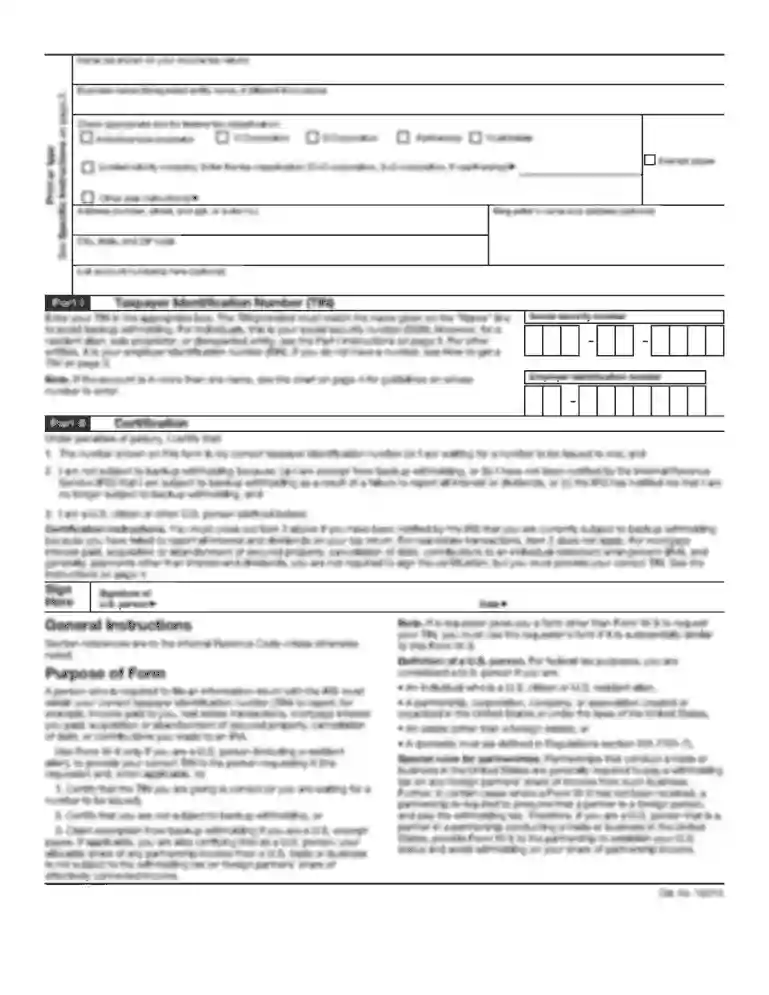
FQP Continence Assessment Form Preview on Page 1

Here's how it works

01. Edit your form online
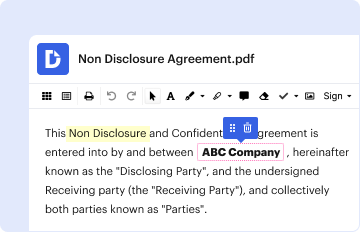
Type text, add images, blackout confidential details, add comments, highlights and more.

02. Sign it in a few clicks
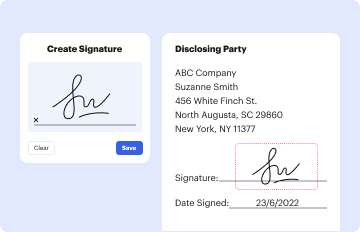
Draw your signature, type it, upload its image, or use your mobile device as a signature pad.

03. Share your form with others
Send it via email, link, or fax. You can also download it, export it or print it out.

How to use or fill out FQP Continence Assessment Form with DocHub

Form edit decoration
9.5
Ease of Setup
DocHub User Ratings on G2
9.0
Ease of Use
DocHub User Ratings on G2
  1. Click ‘Get Form’ to open the FQP Continence Assessment Form in our editor.
  2. Begin by entering the recipient's information, including their name, date of birth, age, and Medicaid ID. Ensure accuracy for proper processing.
  3. Fill in the prescribing provider's details, including their name, phone number, address, and fax number. This section is crucial for communication regarding the prescription.
  4. Specify medical diagnoses related to incontinence by entering the primary and secondary ICD CM codes. This helps in understanding the medical necessity for products.
  5. Indicate mobility status by selecting appropriate options such as 'Ambulatory' or 'Confined to bed or chair.' This information assists in determining suitable products.
  6. If requesting more than eight products per day, provide additional documentation explaining the need for increased supplies due to acute conditions.
  7. Complete the mental status section by selecting how well the recipient can communicate their needs. This is important for assessing support requirements.
  8. List any medications that may affect output and specify required incontinence supplies along with sizes and quantities needed per day.
  9. Finally, ensure that the prescriber signs and dates the form to validate it before submission. Add any comments or attach additional documentation if necessary.

Start using our platform today to easily fill out your FQP Continence Assessment Form online for free!

See more FQP Continence Assessment Form versions

We've got more versions of the FQP Continence Assessment Form form. Select the right FQP Continence Assessment Form version from the list and start editing it straight away!
Versions Form popularity Fillable & printable
2015 4.8 Satisfied (120 Votes)
2009 4.3 Satisfied (49 Votes)
be ready to get more

Complete this form in 5 minutes or less

Get form

Got questions?

We have answers to the most popular questions from our customers. If you can't find an answer to your question, please contact us.
Contact us
A GP will ask you questions about your symptoms and medical history, including: whether the urinary incontinence happens when you cough or laugh. whether you need the toilet frequently during the day or night. whether you have any difficulty passing when you go to the toilet.
A Nurse Continence Specialist is a registered nurse with extensive education and training in continence care. They are able to assess your condition and work with you to develop a management plan to suit your needs.
These are the sorts of questions that you may be asked during a continence assessment: How often do you go to the toilet? How much (wee) do you pass? Do you have to rush to the toilet? How often do you do to the toilet, including overnight? Do you have an accident on the way to the toilet?
Information collected during a continence assessment may include: the persons medical history. how often the person urinates (wees) and defecates (poos) a rough estimate of the amount of passed. visual description of the faeces. whether the leakage is or faeces. details of diet and fluid intake.
Health Professionals, for example a continence nurse, general practitioner, medical specialist, community nurse, physiotherapist, occupational therapist or an Aboriginal health worker, should complete this section. The medical professional should clearly name the condition causing incontinence.

Security and compliance

At DocHub, your data security is our priority. We follow HIPAA, SOC2, GDPR, and other standards, so you can work on your documents with confidence.

Learn more

People also ask

The 3 Incontinence Questionnaire (3IQ) is a brief, self-administered questionnaire to distinguish stress, urge and mixed incontinence (Figure 1). It includes 3 questions and requires about 30 seconds to complete.
The purpose of the assessment is to help identify the many different causes and contributing factors resulting in urinary and faecal symptoms. In the majority of cases these symptoms can be improved or cured by identifying and treating the underlying causes.

Related links